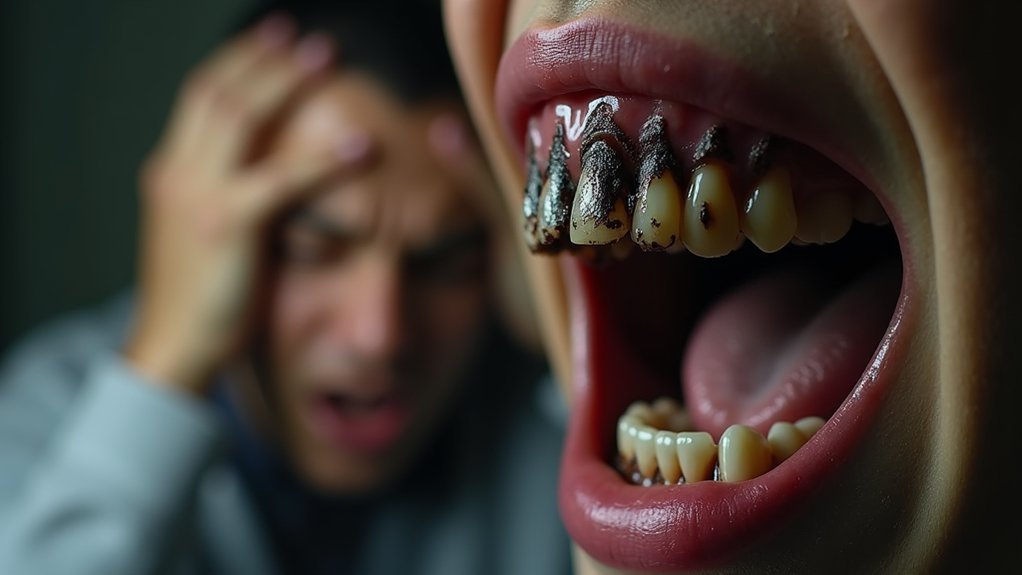

Decaying teeth can indeed cause headaches. When cavities form, they trigger inflammation and pain signals that can radiate through your head, leading to discomfort. Additionally, issues like TMJ disorders and bruxism, often linked with dental problems, can exacerbate head pain. Ignoring these signs may result in more severe conditions, intensifying your headaches. Understanding these connections is essential for your health, and there’s more to discover about how dental health affects headaches.
Key Takeaways
- Decaying teeth can lead to inflammation, which may trigger headaches by causing pain signals that radiate to the head.
- Untreated cavities often result in significant tooth pain, potentially causing referred pain that manifests as headaches.
- Gum disease associated with decaying teeth can contribute to headaches due to inflammation and discomfort in the mouth.
- Persistent dental issues, such as decayed teeth, can result in TMJ disorders, which are closely linked to headache pain.
- Ignoring decaying teeth may escalate dental problems, increasing the likelihood of developing chronic headaches over time.
Understanding Dental Headaches
When you experience a dental headache, it often signals underlying oral issues that need attention.
Dental headaches can indicate serious oral problems that require immediate care and attention.
These headaches can arise from untreated cavities, as inflammation may cause referred tooth pain and discomfort throughout the head.
Additionally, malocclusion can exacerbate the strain on your jaw muscles, leading to persistent headaches.
If your jaw muscles are tense due to dental problems, the resulting soreness can radiate pain across your entire head.
It’s essential to address these dental headaches promptly, as they might indicate more severe conditions like cavities or gum disease, necessitating timely intervention to maintain your overall dental health.
Common Causes of Cavity-Based Headaches
Cavity-based headaches often arise from the interplay of several dental issues, including TMJ disorders and bruxism.
When untreated cavities lead to inflammation, they can trigger pain that radiates to your head.
Additionally, the strain from teeth grinding exacerbates headaches, making it essential to address these dental conditions promptly.
TMJ and Head Pain
TMJ disorders can substantially contribute to head pain, particularly for those dealing with dental issues like cavities. The tension in your jaw muscles can trigger headaches, especially if you experience:
- Jaw popping or clicking, indicating TMJ dysfunction.
- Misalignment of teeth, which exacerbates jaw pain.
- Strain from bruxism, often linked to TMJ, leading to tension headaches.
Studies show that up to 30% of chronic headache sufferers exhibit TMJ symptoms.
Addressing these TMJ issues and related dental problems is essential for alleviating headaches and preventing further complications.
Prioritizing your dental health can substantially improve your overall well-being.
Bruxism and Dental Strain
Bruxism often manifests as unconscious teeth grinding, leading to significant dental strain and an increased risk of headaches. This condition puts excessive stress on your jaw muscles, resulting in tension headaches that can radiate from muscle fatigue.
Approximately 95% of adults with bruxism report headaches, emphasizing the strong link between teeth grinding and headache occurrence. Additionally, bruxism exacerbates dental issues, increasing wear on teeth and contributing to cavities.
TMJ disorders, often associated with bruxism, may cause jaw popping or clicking, further compromising jaw mechanics and triggering headaches. Addressing bruxism is essential for reducing pain and preventing further dental complications.
Tooth Decay Symptoms
How can you recognize the symptoms of tooth decay before it leads to more serious complications? Identifying symptoms early can prevent headaches and infections associated with decaying teeth.
Here are three key signs to watch for:
- Visible Holes or Pits: Look for any obvious damage to your teeth.
- Persistent Toothache: If you experience ongoing pain, it may signal deeper issues.
- Increased Sensitivity: Sensitivity to hot or cold can indicate enamel damage.
Ignoring these signs can lead to tooth infections, which not only affect your oral health but may also trigger headaches through nerve irritation.
The Role of TMJ Disorders
When the jaw joint and surrounding muscles aren’t functioning properly, you might find yourself dealing with persistent headaches, a common consequence of TMJ disorders.
These disorders can arise from teeth grinding, which places excessive strain on your jaw and contributes to muscular tension. Symptoms often include jaw popping and clicking, leading to headache pain radiating throughout your head.
Research shows that up to 30% of individuals with chronic headaches may experience TMJ-related issues.
Addressing these disorders through dental interventions, physical therapy, or pain management strategies can greatly alleviate your headache symptoms and enhance your overall well-being, preventing potential dental emergencies.
The Impact of Bruxism
Bruxism commonly manifests as teeth grinding, often unnoticed during sleep, leading to significant muscle tension and frequent headaches.
If you wake up with head pain, it may be a direct result of this condition, as the strain on your jaw can cause discomfort and fatigue.
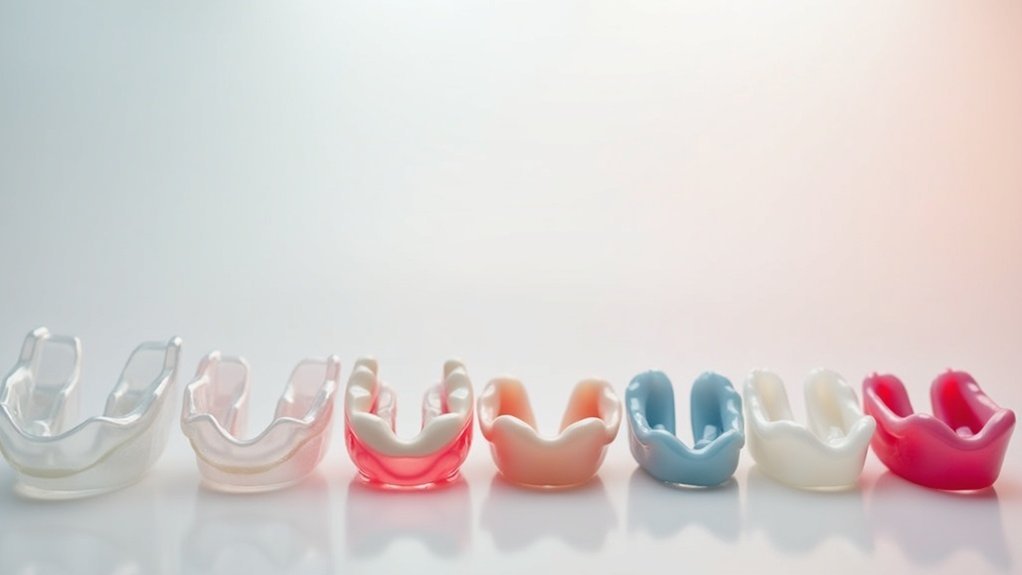
Fortunately, various treatment options, including night guards, can help alleviate symptoms and reduce headache frequency.
Symptoms of Bruxism
Although many people may not realize it, the symptoms of bruxism can considerably affect your daily life, particularly through the onset of frequent headaches. The tension in your jaw from grinding your teeth can lead to significant discomfort.
Key symptoms include:
- Frequent Headaches: Often felt around the temples, these headaches stem from muscle strain.
- Jaw Pain or Soreness: Persistent discomfort can indicate excessive grinding.
- Dental Problems: Long-term bruxism may worsen dental issues, impacting overall oral health.
Recognizing these signs is vital for addressing headaches and preventing further complications related to bruxism.
Treatment Options Available
While bruxism can lead to chronic headaches and dental issues, effective treatment options are available to help manage these symptoms.
Custom night guards are among the most beneficial interventions, as they reduce muscle tension and alleviate headache pain. Your dentist can help address dental concerns related to bruxism, ensuring you maintain ideal oral health.
Additionally, many dental insurance plans cover these treatments, making them more accessible. Regular dental care, including consultations and follow-ups, is essential for monitoring your condition and adjusting treatment as necessary.
Recognizing Signs of Bad Teeth
Recognizing signs of bad teeth is essential for maintaining your overall health, as untreated dental issues can lead to more serious complications.
Recognizing the signs of bad teeth is crucial for your health, as neglect can result in serious complications.
Look out for these indicators:
- Cavities: Holes in teeth often cause pain signals that may radiate to your head.
- Gum Disease: Red, swollen, or bleeding gums can signal inflammation and infection, contributing to frequent headaches.
- Discoloration: Yellow or discolored teeth may indicate decay or poor hygiene, which can exacerbate dental problems.
Addressing these signs promptly can prevent further complications and improve your overall well-being while reducing the risk of headaches related to dental health.
How to Determine If Your Headache Is Dental-Related
How can you tell if your headache is linked to a dental issue? If you experience head pain concentrated in your jaw, mouth, or teeth, it’s a strong indicator of potential dental problems, like decay or cavities.
Discomfort while biting or chewing, especially with tooth sensitivity, further suggests a dental headache. Look for swelling or tenderness in your gums, as this may signal gum disease or an infection that can spread.
A history of dental issues increases the likelihood of headaches being dental-related. Regular dental check-ups are essential for identifying and addressing these concerns before they escalate.
When to Seek Emergency Dental Care
Understanding when to seek emergency dental care is essential for maintaining oral health, especially after identifying potential dental-related headaches.
If you experience any of the following, don’t hesitate to contact your dentist:
- Severe tooth pain that over-the-counter medication can’t alleviate.
- A knocked-out tooth requiring immediate attention to increase the chances of saving it.
- Significant swelling or discomfort that could signal an infection caused by damaged teeth.
Ignoring these symptoms might lead to serious health issues, and your dentist may be able to help prevent further complications and alleviate the headache you might be experiencing.
Importance of Regular Dental Check-Ups
While it might be tempting to skip dental visits, regular check-ups are essential for maintaining your oral health and preventing complications that can lead to headaches.
By visiting your dentist every six months, you can catch cavities and other issues early, reducing the risk of untreated problems that contribute to pain.
Professional cleanings remove plaque buildup, preventing gum disease linked to headaches.
Additionally, dentists can assess conditions like TMJ or bruxism, which often cause dental headaches.
Prioritizing these visits not only safeguards your well-being but also lowers future treatment costs by addressing problems before they escalate.