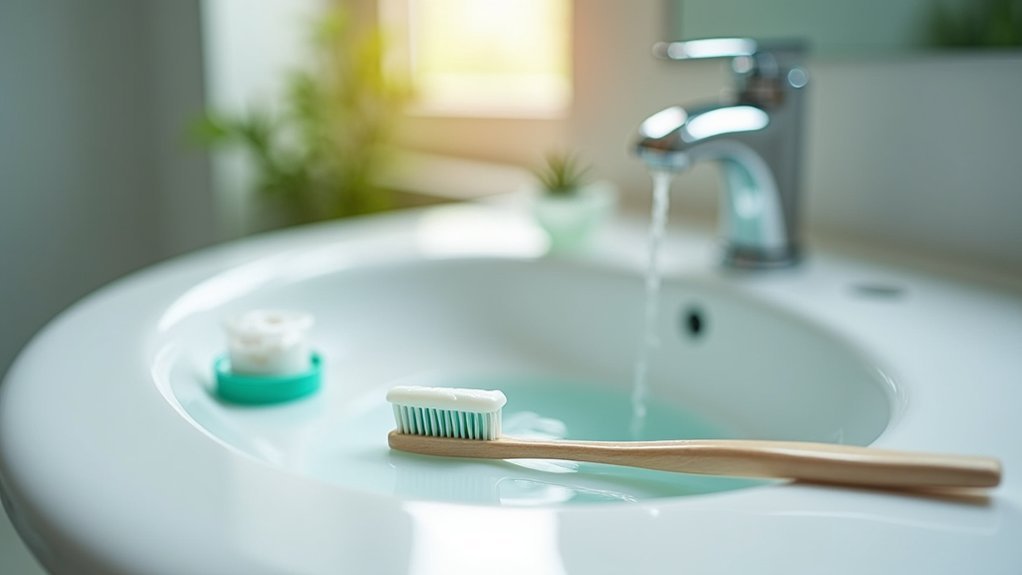

You should wait a few hours after getting a filling before brushing your teeth. This allows the filling to set properly. When you do resume brushing, use a soft-bristled toothbrush and gentle circular motions to avoid dislodging the filling. Be careful around sensitive areas and consider using fluoride toothpaste. If you experience any persistent sensitivity or discomfort, it’s important to consult your dentist. Learn more about aftercare and long-term maintenance for your dental fillings.
Key Takeaways
- Wait a few hours after getting a filling before brushing to ensure it sets properly.
- Use a soft-bristled toothbrush and gentle circular motions to avoid dislodging the filling.
- Gradually reintroduce your oral hygiene routine, being cautious around sensitive areas.
- Rinse with an alcohol-free mouthwash during the waiting period to maintain oral hygiene.
- Maintain regular brushing habits with fluoride toothpaste to strengthen surrounding teeth.
Understanding the Importance of Dental Fillings
Dental fillings play an essential role in your oral health, as they restore the shape and function of teeth affected by decay or fractures.
By choosing the right type, like amalgam fillings for durability or composite fillings for aesthetics, you can effectively address tooth decay.
Selecting the appropriate filling type, such as durable amalgam or aesthetic composite, is crucial for effectively treating tooth decay.
These fillings not only restore teeth integrity but also prevent further damage that could lead to serious complications, such as infections or tooth loss.
Regular dental check-ups are vital in monitoring the condition of your fillings and overall oral health, ensuring that you maintain their longevity and avoid the need for more invasive procedures in the future.
Immediate Aftercare After Getting a Filling
After getting a filling, you should wait a few hours before brushing your teeth to guarantee the material sets properly.
When you do resume brushing, use a soft-bristled toothbrush and apply gentle techniques, especially around the filled area.
Maintaining good oral hygiene is essential, so gradually reintroduce your routine while being mindful of any sensitivity.
Brushing Timing Guidelines
While it may be tempting to brush your teeth immediately after getting a filling, it’s important to wait a few hours to confirm the filling sets properly and to reduce any sensitivity.
During this time, you can gently rinse your mouth with an alcohol-free mouthwash to maintain oral hygiene without disturbing the filling.
When you resume brushing, use a soft-bristled toothbrush to minimize discomfort.
Be careful to avoid aggressive techniques, as they could dislodge the filling or irritate the surrounding area.
Gentle care is essential to guarantee a smooth recovery while keeping your teeth healthy and clean.
Gentle Brushing Techniques
To guarantee a smooth recovery following a filling, adopting gentle brushing techniques is essential.
Wait a few hours to allow the numbing agent to wear off before you brush gently and floss. Use a soft-bristled toothbrush, employing gentle circular motions to minimize pressure on the filled tooth.
Avoid aggressive brushing, as it could dislodge or damage your dental filling. If you experience discomfort or tooth sensitivity, consider using desensitizing toothpaste for relief.
Maintain regular brushing habits while being cautious around the tooth, ensuring you uphold good oral hygiene without compromising your recovery.
Can You Brush Your Teeth After a Filling?
Can you brush your teeth right after getting a filling?
While you can resume brushing immediately after a composite filling, it’s best to wait a few hours. This allows the numbing agent to wear off and prevents accidental injury.
When you do brush, use a soft-bristled toothbrush and fluoride toothpaste to minimize discomfort. Gently brush your teeth using light pressure and circular motions to maintain oral hygiene without disturbing the dental filling.
Even if you experience some sensitivity, continue your regular brushing and flossing routine to prevent further decay and guarantee your dental health remains intact.
Recommended Brushing Techniques Post-Filling
After receiving a filling, it’s essential to adopt the right brushing techniques to guarantee your comfort and the longevity of the restoration.
Adopting proper brushing techniques after a filling is crucial for comfort and the durability of your restoration.
Here are some recommended practices:
- Wait a few hours before brushing to allow the filling to set.
- Use a soft-bristled toothbrush with gentle circular motions for the filled tooth.
- Choose fluoride toothpaste to strengthen surrounding teeth and support healing.
- Be cautious while brushing around the sensitive area to minimize discomfort.
Flossing After a Filling: What to Know
After getting a filling, you can resume flossing right away, but be gentle around the treated area.
Using unwaxed or waxed floss helps minimize friction and protects your filling.
Keep an eye out for any discomfort or sensitivity while flossing, and consult your dentist if issues persist.
Timing for Flossing
Resuming flossing after a dental filling is vital for maintaining oral hygiene, but it requires a gentle approach.
- Floss carefully around the filled area to prevent irritation.
- Clean daily to avoid plaque buildup and support overall dental health.
- If you experience sensitivity, consider using a gentler technique.
- Be cautious not to dislodge the filling, especially in the initial days post-procedure.
Regular flossing is essential for long-term care, helping to prevent decay in nearby teeth.
Prioritize your oral hygiene routine to guarantee both comfort and health after your filling.
Technique for Gentle Flossing
To guarantee effective oral hygiene following a dental filling, it is crucial to adopt a gentle flossing technique. Use a soft sawing motion with waxed dental floss to glide smoothly between your teeth. Avoid excessive pressure that can cause sensitivity or irritation to gum tissue. Floss carefully around the filled tooth, ensuring both sides are clean without aggressive pulling.
| Flossing Technique | Tips |
|---|---|
| Use waxed dental floss | Minimizes snagging |
| Gentle sawing motion | Prevents pressure |
| Avoid forcing floss | Protects gum tissue |
| Monitor sensitivity | Switch to softer options |
Signs to Monitor
Monitoring your oral health after a dental filling is vital, especially when it comes to flossing. Be attentive to any signs that may arise:
- Increased sensitivity around the filled area
- Pain while flossing or during regular brushing
- Ongoing discomfort that doesn’t subside
- Changes in your ability to maintain oral hygiene
It’s important to floss gently to avoid irritating the filling.
If you notice any persistent pain or sensitivity, don’t hesitate to contact your dentist for further evaluation. Staying vigilant helps guarantee your dental filling remains intact and supports your long-term oral hygiene.
Managing Sensitivity and Discomfort After a Filling
Although experiencing sensitivity and discomfort after a dental filling is common, there are effective ways to manage these symptoms.
You can maintain oral hygiene by gently brushing with a soft-bristled toothbrush, which helps reduce irritation. Mild pain and sensitivity to hot or cold may occur, but this usually subsides within a few days.
Using desensitizing toothpaste can further alleviate discomfort. If you notice persistent sensitivity or discomfort beyond 24 hours, don’t hesitate to contact your dentist, as it may indicate an issue that needs attention.
Your proactive care can greatly enhance your recovery experience.
Long-Term Care for Your Dental Fillings
Proper long-term care for your dental fillings is essential to guarantee their durability and maintain your overall oral health.
To ascertain your fillings last, follow these guidelines:
- Brush and floss twice daily to prevent decay around fillings.
- Use fluoride toothpaste to strengthen surrounding teeth.
- Schedule regular dental check-ups for monitoring and early detection of issues.
- Avoid hard, sticky, and sugary foods to protect fillings.
Incorporating antibacterial mouthwash into your routine helps reduce plaque buildup, promoting better oral hygiene.
When to Contact Your Dentist After a Filling
When should you reach out to your dentist after getting a filling? If you experience persistent pain, like a sharp or throbbing toothache, it’s essential to contact your dentist.
If you have sharp or throbbing pain after a filling, contact your dentist right away.
Mild to moderate discomfort after a dental procedure lasting more than 12 hours can indicate complications. Additionally, any swelling or pain that doesn’t subside after the first day may signal an infection.
If you notice a loose filling or heightened sensitivity to temperature changes, don’t hesitate to check on your filling.
Regular check-ups are important to monitor the condition of your dental fillings and maintain your oral health.