
After a root canal, you should wait at least 24 hours before brushing your teeth. This waiting period allows for proper healing and minimizes sensitivity. When you do start brushing again, use a soft-bristled toothbrush and apply gentle pressure, avoiding vigorous scrubbing around the treated area. Maintaining good oral hygiene is essential for preventing infection and supporting recovery. If you want to learn more about care after your procedure, there are some important techniques and long-term tips to take into account.
Key Takeaways
- Wait at least 24 hours post-root canal before brushing to allow for proper healing.
- Use a soft-bristled toothbrush and apply gentle pressure around the treated area.
- Avoid vigorous scrubbing to minimize sensitivity and irritation during the healing process.
- Follow specific brushing instructions provided by your dentist for optimal care.
- Monitor for any signs of complications, such as intense pain, and consult your dentist if needed.
Why Is Brushing Important After A Root Canal?
After a root canal, brushing your teeth plays an essential role in your recovery process. Effective oral hygiene is vital for keeping the treated area clean and free from food particles, which helps prevent infection and supports the healing process.
Regular brushing reduces the risk of bacteria entering the root canal, minimizing complications. It also prevents plaque buildup, which can lead to gingivitis and other oral health issues, ensuring the long-term health of your treated tooth.
Remember to follow proper brushing techniques to avoid irritating the sensitive area, promoting a smoother and more effective recovery.
How Soon Can You Begin Brushing Post-Root Canal?
After your root canal, you’ll want to wait at least 24 hours before brushing your teeth.
This pause helps guarantee proper healing and minimizes sensitivity.
Always follow your dentist’s specific instructions to maintain ideal oral care during your recovery.
Wait 24 Hours
Waiting at least 24 hours after your root canal is crucial before you resume brushing your teeth.
This waiting period allows the treated area to heal properly and minimizes sensitivity or discomfort. Brushing immediately can disturb the healing process, leading to complications.
Once the 24 hours have passed, you can gently resume brushing. Use a soft-bristled toothbrush to protect the treated area and avoid irritation.
Maintaining good oral hygiene is essential for preventing infections and ensuring the long-term health of your tooth.
Follow Dentist’s Instructions
While it’s vital to prioritize healing after a root canal, following your dentist’s instructions on when to start brushing again is equally important.
Typically, you should wait at least 24 hours before you brush your teeth. During your follow-up appointment, your dentist will clarify when it’s safe to resume gentle brushing with a soft-bristled toothbrush.
Avoid vigorous brushing in the first few days to prevent irritation. Maintaining your oral health post-dental procedure is important for ideal recovery, as it helps prevent infection and promotes healing.
Always adhere to your dentist’s guidance for the best outcome.
What Are Some Special Techniques To Use When Brushing Your Teeth After Root Canals?
Maintaining proper oral hygiene after a root canal is crucial for recovery, and using special techniques while brushing is essential.
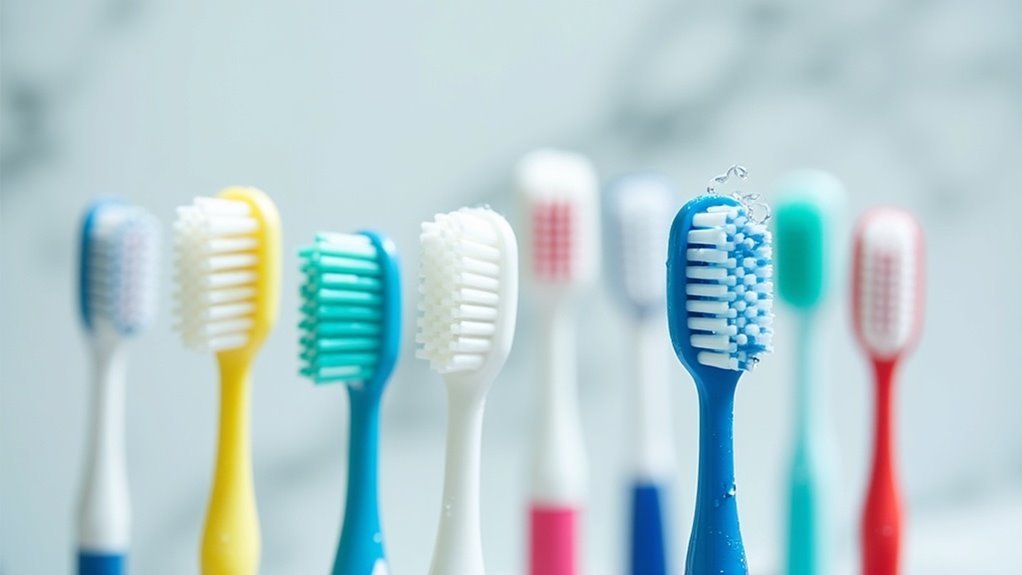
Start by using a soft-bristled toothbrush to minimize irritation around the treated area. Apply gentle pressure when brushing, especially near the root canal site, to avoid discomfort and support the healing process.
Focus on cleaning the sealed areas, ensuring they remain free from bacteria and plaque buildup. Avoid vigorous scrubbing, as it can increase sensitivity and hinder recovery.
Always follow the brushing instructions provided by your dentist for the best results in the first few days post-treatment.
The Initial Period: A Delicate Phase
After your root canal, you’ll enter a delicate healing phase that requires extra care.
You might notice increased sensitivity, so it’s essential to avoid vigorous brushing that could disrupt healing.
For at least the first 24 hours, stick to warm saltwater rinses to keep the area clean while minimizing discomfort.
Post-Procedure Sensitivity Management
Following a root canal, managing post-procedure sensitivity is essential for a smooth recovery.
The first 24 hours are critical; avoid vigorous brushing and flossing to protect your healing tooth. Gentle care helps prevent post-root canal infection and promotes ideal healing.
You may experience some sensitivity during this initial phase, so it’s important to monitor your pain levels. If discomfort persists or worsens, consult your dentist to rule out complications.
Prioritize sensitive management by using a soft toothbrush and being cautious around the treated area. This approach will aid in a more comfortable recovery.
Importance of Gentle Care
Gentle care during the initial period after a root canal is vital for promoting effective healing.
The first 24 hours are particularly delicate, and you should avoid vigorous brushing to prevent increased sensitivity and discomfort. Your goal is to protect the healing tissues around the treated tooth.
Instead, maintain a gentle oral hygiene routine using a soft-bristled toothbrush. This approach helps guarantee a smoother recovery and preserves the integrity of the tooth.
Following your dentist’s instructions during this phase is essential, as any disruptions can impede the healing process and integration of the treated tooth.
Why Avoid Vigorous Brushing?
Since vigorous brushing can disrupt the healing process after a root canal, it’s essential to exercise caution during the initial recovery phase.
Aggressive brushing can disturb the delicate tissues that are healing, leading to increased sensitivity and potential complications. Your goal during this sensitive healing period is to allow the treated tooth to settle without external interference.
Gentle care and brushing promote smoother recovery and minimize discomfort. By following your dentist’s recommendations to avoid vigorous brushing, you guarantee the long-term success of your root canal treatment, allowing your mouth to heal properly and comfortably.
Long-Term Oral Care After a Root Canal
Although you’ve successfully undergone a root canal, maintaining long-term oral care is crucial for the health of the treated tooth.
Prioritize your oral hygiene by gently brushing and flossing to prevent plaque build-up. For a few weeks, stick to soft foods like yogurt and mashed potatoes to minimize stress on your healing tooth.
Prioritize gentle brushing and soft foods to support your healing tooth and prevent plaque build-up.
Regular dental check-ups are essential for monitoring your tooth’s health and catching potential issues early.
Stay vigilant for any signs of complications and report them to your dentist promptly.
Signs of Complications to Watch For
After a root canal, it’s crucial to monitor your recovery for any signs of complications that could arise.
Be on the lookout for the following:
- Intense dental pain that lasts beyond a few days.
- Swelling in your mouth or tenderness that doesn’t subside.
- Signs of infection, such as fever or pus discharge.
- Increased sensitivity to hot or cold temperatures that intensifies.
If you experience any of these symptoms, consult your dentist promptly.
Timely attention can help prevent further complications and guarantee a smoother recovery.
Your proactive care is essential for your oral health.