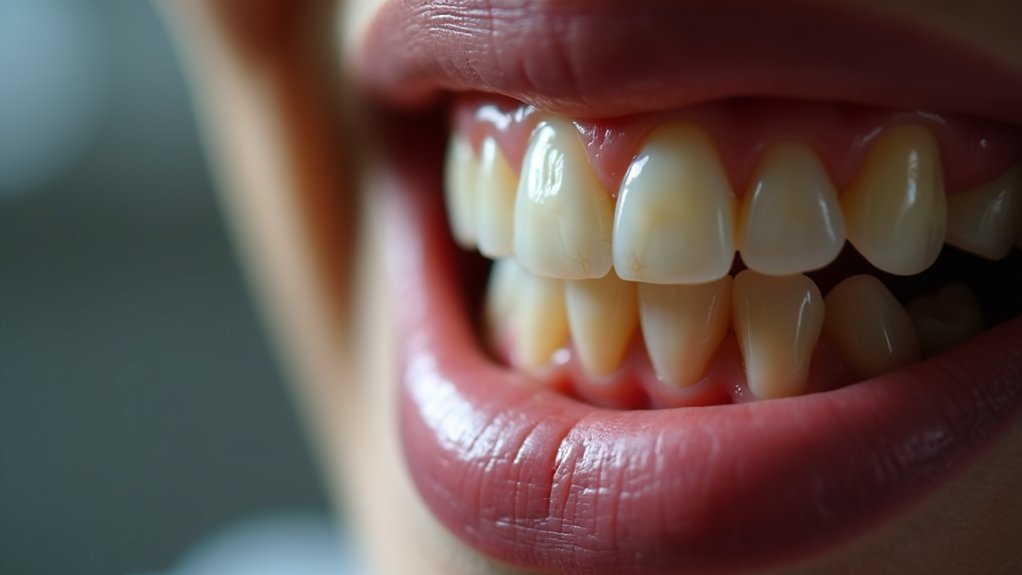

Yes, iron deficiency can cause several teeth problems. It weakens enamel, increasing the risk of cavities and tooth decay. You may experience swollen gums, dry mouth, or a burning sensation in your mouth. Additionally, your immune system might become compromised, raising your susceptibility to gum disease. Regular check-ups and good oral hygiene are essential to manage these risks. Explore further to understand how iron deficiency affects your oral health and what you can do to protect it.
Key Takeaways
- Iron deficiency weakens enamel, increasing the risk of tooth decay and cavities.
- A lack of iron can cause dry mouth, promoting plaque buildup and dental issues.
- Swollen, pale gums are more susceptible to infections and may bleed during oral care.
- Individuals with iron deficiency may experience recurrent mouth sores and a burning sensation in the mouth.
- Regular dental check-ups are crucial for monitoring and managing oral health affected by low iron levels.
Understanding Iron Deficiency and Its Impact on Oral Health
Understanding iron deficiency is vital, as it can greatly impact your oral health. Low iron levels can weaken enamel, increasing the risk of tooth decay and cavities.
Patients with anemia often experience oral symptoms like pale tongues and dry mouths, which hinder eating and communication. Additionally, impaired immune system function due to iron deficiency heightens the risk of gum disease, such as gingivitis and periodontitis.
Chronic deficiency may also lead to tooth discoloration, making teeth appear yellowish. Regular dental check-ups are essential for monitoring oral health and preventing complications associated with nutrient deficiencies in those affected by iron deficiency.
Common Dental Symptoms Associated With Iron Deficiency
Iron deficiency manifests through various dental symptoms that can considerably affect your oral health.
You may notice swollen gums that appear pale and are more susceptible to gingivitis and infections.
Dry mouth is another common issue, leading to increased risks of tooth decay due to reduced saliva production.
Additionally, you might experience recurrent mouth sores and ulcers, causing discomfort and hindering proper oral function.
A burning sensation, particularly on the tongue and lips, can also occur, contributing to overall discomfort.
These symptoms, often linked to anemia, highlight the importance of maintaining adequate iron levels for ideal oral health.
The Link Between Iron Deficiency and Gum Disease
When your body lacks sufficient iron, it doesn’t just affect your overall health; it can also lead to serious complications for your gums.
Iron deficiency greatly weakens your immune system, raising the risk of gum disease. You may notice:
- Pale, swollen gums
- Increased bleeding when brushing or flossing
- Susceptibility to bacterial infections
- Higher chances of developing periodontitis
Without proper treatment options, these issues can escalate, threatening your oral health and leading to tooth loss.
Maintaining healthy gum tissue requires adequate iron levels, making it essential to address any deficiencies through diet or supplements to prevent and manage gum disease effectively.
How Iron Deficiency Contributes to Tooth Decay
Tooth decay can become a serious issue when your body lacks adequate iron. Iron deficiency compromises saliva production, essential for neutralizing acids that protect your teeth. This leads to dry mouth, promoting plaque buildup and increasing tooth decay risk. Additionally, low iron levels weaken your immune system, making you more susceptible to gum infections that can further contribute to decay. Enamel weakening exposes dentin, heightening vulnerability to staining and decay. Symptoms like a sore tongue can hinder oral hygiene practices, amplifying these risks.
| Consequence of Iron Deficiency | Impact on Oral Health |
|---|---|
| Impaired saliva production | Increased risk of cavities |
| Weakened immune system | Greater susceptibility to infections |
| Dry mouth | Enhanced plaque buildup |
| Enamel weakening | Exposed dentin, prone to decay |
| Sore tongue | Hindered oral hygiene practices |
Recommendations for Maintaining Oral Health With Low Iron Levels
Low iron levels can greatly impact your oral health, making it essential to adopt proactive measures.
Low iron levels can significantly affect oral health, highlighting the importance of proactive care.
To maintain peak oral health despite iron deficiency, consider the following recommendations:
- Incorporate vitamin B and C-rich foods for healthy gums and tongue.
- Schedule regular appointments with your dentist to monitor any health problems.
- Practice good oral hygiene by brushing twice daily and flossing to combat plaque buildup.
- Stay hydrated and use saliva substitutes to alleviate dry mouth, reducing the risk of decay.