
Yes, teeth crowding can cause pain. When your teeth are misaligned, they place extra stress on your jaw and surrounding tissues. This pressure can lead to discomfort and contribute to issues like jaw pain and headaches. In addition, crowded teeth complicate oral hygiene, increasing the risk of gum disease and associated pain. Addressing crowding early is essential to prevent long-term complications. Discover more about the symptoms and treatment options available for crowded teeth.
Key Takeaways
- Tooth crowding can lead to misalignment, increasing stress on the jaw and causing discomfort or pain.
- Misaligned teeth can contribute to headaches and jaw pain, potentially indicating TMJ disorders.
- Crowded teeth complicate oral hygiene, raising the risk of gum disease, which can cause pain.
- Uneven wear on teeth due to crowding can lead to fractures and severe tooth pain over time.
- Early intervention in crowding can alleviate physical symptoms and prevent further complications related to pain.
Understanding Tooth Crowding
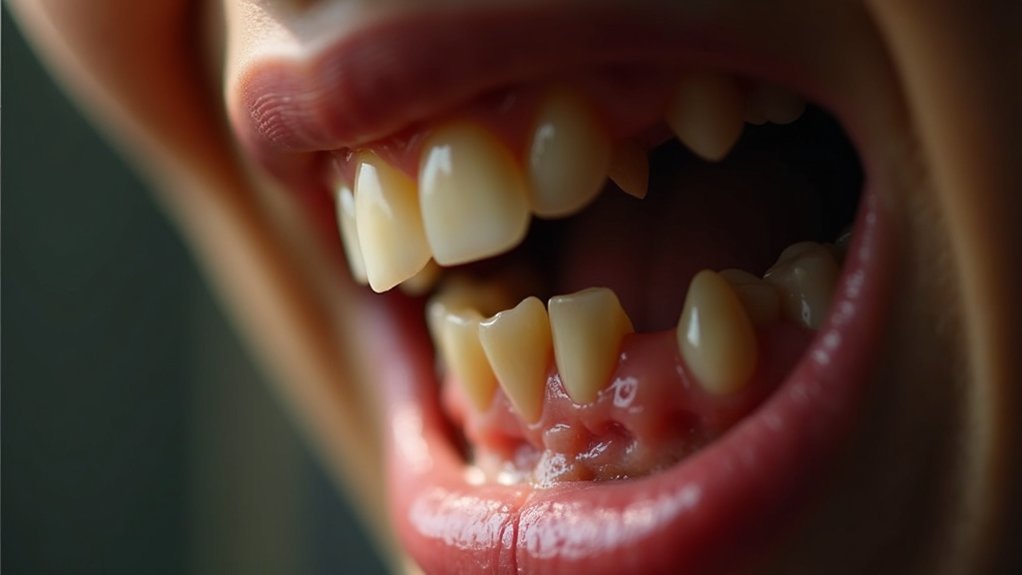
Tooth crowding, often referred to as malocclusion, arises when your jaw lacks sufficient space for teeth to align correctly. This condition leads to overlapping or misaligned teeth, making effective dental care challenging.
As a result, you may face oral health issues, including increased risk of cavities and gum disease. Misaligned teeth can also cause physical pain, such as jaw discomfort and headaches, due to extra stress on your jaw and surrounding muscles.
If left untreated, crowding can worsen, complicating future orthodontic treatment and leading to more severe bite problems. Prioritizing dental care can help alleviate these concerns and improve your overall health.
Causes of Dental Crowding
Dental crowding has various causes that contribute to the misalignment of teeth. Genetic factors, like a smaller jaw size, can create insufficient space for teeth, leading to dental crowding.
The early loss of baby teeth disrupts the eruption pattern of permanent teeth, resulting in poor alignment. Prolonged habits, such as thumb sucking, can shift teeth into improper positions, causing further crowding.
Additionally, the eruption of wisdom teeth often pushes adjacent teeth, exacerbating crowded teeth pain. Changes in adult dental health, including wear and gum disease, can also cause previously aligned teeth to become crowded again, complicating oral hygiene efforts.
The Connection Between Crowding and Pain
When teeth become crowded, the resulting misalignment can lead to significant pain and discomfort.
Crowded teeth increase stress on your jaw and surrounding tissues, often resulting in jaw pain and irritation. This pressure can trigger temporomandibular joint (TMJ) disorders, causing chronic discomfort and headaches.
Crowded teeth can lead to jaw pain and irritation, increasing the risk of TMJ disorders and chronic headaches.
Misalignment also creates uneven wear patterns, risking fractures and severe tooth pain over time.
Additionally, poorly aligned teeth complicate oral hygiene, heightening the risk of gum disease and tooth decay.
These dental issues can further exacerbate pain and discomfort, highlighting the critical connection between crowded teeth and ongoing oral health challenges.
Common Symptoms Associated With Crowded Teeth
When you have crowded teeth, you may notice physical discomfort such as jaw pain and frequent headaches, which arise from misalignment.
Additionally, maintaining proper oral hygiene becomes a challenge due to overlapping teeth, often leading to gum inflammation and pain.
These symptoms not only affect your comfort but can also complicate your overall oral health.
Physical Discomfort and Pain
Crowded teeth can greatly impact your physical comfort, often resulting in pain that stems from misalignment and the added stress on surrounding muscles and joints.
This misalignment can lead to temporomandibular disorder (TMD), causing symptoms like jaw pain, headaches, and teeth grinding.
The close proximity of crowded teeth complicates proper hygiene, increasing the risk of gum inflammation and periodontal disease, which can also cause pain.
Additionally, uneven pressure from misaligned bites contributes to accelerated wear or fractures, amplifying discomfort.
Persistent headaches often arise from the strain on jaw muscles, highlighting the need to address this dental concern promptly.
Oral Hygiene Challenges
Maintaining oral hygiene becomes increasingly challenging for individuals with crowded teeth due to tight spaces that hinder effective brushing and flossing.
This misalignment often leads to plaque buildup, as you struggle to reach certain areas, increasing your risk for cavities and gum disease.
Flossing becomes particularly difficult, allowing food particles and bacteria to remain trapped, which exacerbates gum inflammation and contributes to bad breath.
Poor oral hygiene practices create a vicious cycle of decay and further misalignment, complicating future dental treatments.
Addressing these challenges is essential for preventing long-term oral health issues and ensuring a healthy, confident smile.
Oral Health Risks Linked to Crowding
Teeth crowding can lead to significant pain and discomfort, affecting your daily life and overall well-being.
As crowded teeth complicate your oral hygiene routine, they increase your risk of gum disease and other dental issues.
Additionally, misalignment from crowding can disrupt your bite, leading to further complications like jaw pain and headaches.
Pain and Discomfort
When there’s insufficient space in your mouth, pain and discomfort often arise from crowded teeth. This crowding can irritate surrounding tissues, leading to significant discomfort and stress on your jaw and neck.
Misalignment from crowded teeth frequently causes headaches and TMJ disorders, as uneven pressure affects the jaw joints. Maintaining proper oral hygiene becomes challenging, elevating the risk of gum inflammation and severe tooth pain.
Unusual wear patterns and fractures may further compromise your dental health. If left untreated, these issues can evolve into persistent problems like bruxism, amplifying discomfort and risking additional oral health complications.
Gum Disease Risks
Although crowding may seem like a cosmetic issue, it greatly heightens your risk for gum disease.
Crowded teeth create tight spaces that make effective oral hygiene challenging, leading to plaque accumulation. This can promote gingivitis and escalate into periodontal disease.
Studies indicate that individuals with dental crowding are more susceptible to these conditions due to difficulties in maintaining cleanliness. Untreated gum disease can result in swollen gums, bad breath, and even tooth loss.
Additionally, the consequences of gum disease can worsen tooth crowding by causing bone loss, perpetuating a cycle of deteriorating oral health that requires intervention.
Bite Alignment Issues
Crowded teeth can greatly disrupt bite alignment, leading to various oral health complications. Misaligned bites resulting from teeth crowding can cause unnecessary stress on your jaw, contributing to temporomandibular joint disorders (TMJ).
Symptoms like jaw pain, headaches, and restricted jaw movement may emerge, affecting your quality of life. Additionally, crowded teeth can lead to uneven wear, increasing the risk of fractures.
Difficulty in chewing effectively can strain your jaw, potentially causing chronic pain. If left untreated, these bite alignment issues may worsen, resulting in persistent jaw and neck pain, complicating future interventions and treatment options.
Treatment Options for Crowded Teeth
Several effective treatment options are available for addressing crowded teeth, each tailored to the severity of the condition.
Consider these orthodontic solutions:
- Traditional braces for thorough alignment (1-3 years)
- Clear aligners, like Invisalign, for mild to moderate crowding
- Tooth extraction in severe cases to create space
- Enamel stripping for mild cases to reduce tooth size
- Regular dental check-ups to monitor progress and hygiene
In cases involving teeth grinding or associated jaw pain, a thorough treatment strategy may include referrals for additional therapies or surgical interventions.
Prioritizing these treatment options can greatly improve your oral health and comfort.
Importance of Seeking Professional Help
Addressing teeth crowding is a significant first step, but seeking professional help is what truly maximizes the benefits of treatment.
When teeth are crowded, you might experience pain associated with misalignment and jaw pain. A dentist can accurately diagnose the severity of crowding and create a personalized treatment plan tailored to your needs.
Timely intervention prevents complications like temporomandibular joint disorders (TMJ). Regular dental visits not only monitor alignment issues but also facilitate early detection of potential pain sources, enhancing your overall oral health and comfort.
Timely dental intervention not only prevents TMJ complications but also enhances your overall oral health and comfort.
Prioritizing professional evaluation can alleviate both physical symptoms and psychological stress related to dental aesthetics.