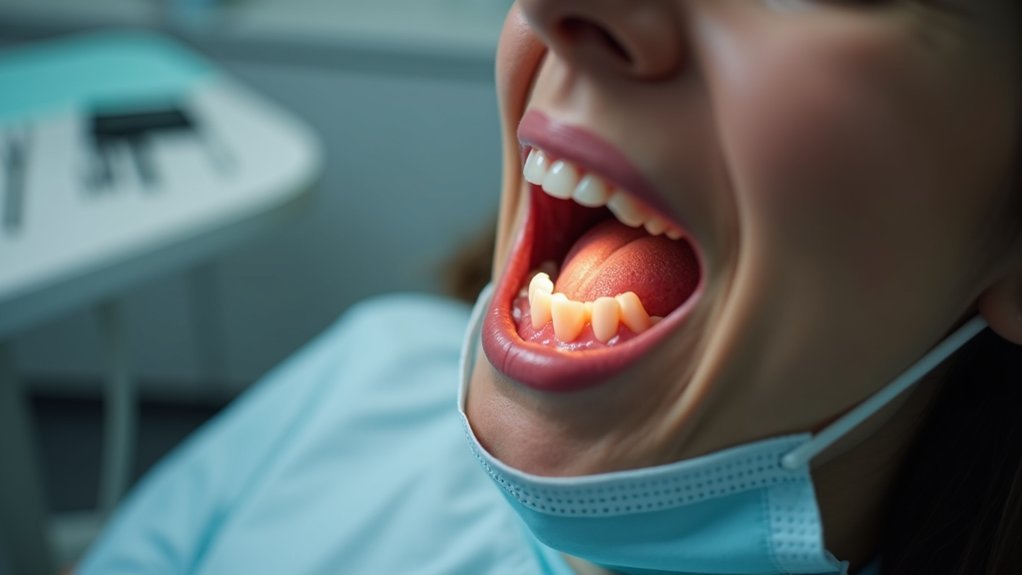

Wisdom teeth removal can indeed cause TMJ disorders, especially if there’s surgical trauma or pre-existing jaw issues. The extraction may lead to inflammation and misalignment of the jaw, resulting in symptoms like pain, clicking sounds, and limited movement. To prevent complications, effective post-operative care is essential, including managing swelling and following a soft-food diet. For a deeper understanding of TMJ-related concerns after surgery, further insights and strategies are available to help you navigate this issue.
Key Takeaways
- Wisdom teeth removal can lead to TMJ disorders due to surgical trauma affecting the temporomandibular joint.
- Individuals with existing jaw issues are at higher risk for developing TMJ problems post-extraction.
- Surgical trauma can cause inflammation and misalignment in the TMJ, worsening functionality.
- Proper post-operative care, including ice application and a soft-food diet, is crucial to reduce TMJ complications.
- Persistent TMJ symptoms following wisdom teeth removal may require advanced treatment options, including physical therapy or specialized dental care.
Understanding TMJ Disorders
TMJ disorders, affecting the temporomandibular joint, can greatly impact your quality of life.
These disorders often lead to chronic pain in the jaw, face, and ears, along with symptoms like clicking or popping during movement.
Factors such as impacted wisdom teeth, poor jaw alignment, and dental complications can exacerbate TMJ issues.
Impacted wisdom teeth, misaligned jaws, and dental issues can significantly worsen TMJ disorders.
With over 10 million people in the U.S. affected, early recognition of TMJ symptoms is essential.
Addressing these symptoms promptly can prevent long-term complications and improve overall oral health.
Understanding the relationship between jaw function and TMJ can enhance your ability to serve others effectively.
The Relationship Between Wisdom Teeth and TMJ
Understanding the intricacies of jaw function is essential, especially when considering the impact of wisdom teeth on TMJ health. Wisdom teeth removal can sometimes lead to TMJ disorders, particularly if surgical trauma causes inflammation. Individuals with pre-existing jaw issues face a heightened risk for jaw pain post-extraction.
| Factors Affecting TMJ | Impact on TMJ Disorders |
|---|---|
| Surgical Trauma | Inflammation and stress |
| Jaw Misalignment | Exacerbation of functionality |
| Post-Operative Care | Reduces risk of complications |
Consult your dental professional to guarantee thorough pre-surgical planning and effective post-operative care for ideal TMJ health.
Symptoms of TMJ Disorders After Extraction
After your wisdom teeth extraction, you might notice jaw pain, discomfort, or limited movement, which could signal the onset of TMJ disorders.
You may also hear clicking or popping sounds when moving your jaw, indicating potential joint dysfunction.
Recognizing these symptoms early can help you address any complications effectively.
Jaw Pain and Discomfort
Experiencing jaw pain and discomfort following wisdom teeth removal can signal the onset of TMJ disorders, often triggered by surgical trauma or inflammation in the joint.
Recognizing these symptoms early is essential to prevent chronic issues. Here are some key indicators:
- Persistent jaw pain at the extraction site.
- Discomfort during daily activities like eating or speaking.
- Clicking or popping sounds during jaw movement.
- Increasing severity of symptoms over time.
If you notice these signs, consult a dental professional for assessment and management.
Early intervention can help mitigate TMJ disorders and improve your quality of life.
Limited Jaw Movement
Limited jaw movement can greatly affect your daily life, making it difficult to perform basic tasks like eating and speaking.
After wisdom teeth extraction, this restriction often arises from post-surgical swelling and stiffness around the temporomandibular joint (TMJ). You might feel tightness or locking in your jaw, signaling potential TMJ dysfunction.
The healing process is essential; excessive strain during recovery can worsen TMJ issues, leading to chronic limitations in jaw movement.
It’s important to monitor these symptoms closely, as early recognition can facilitate effective management and help prevent long-term TMJ disorders, minimizing pain and discomfort in your daily activities.
Clicking and Popping Sounds
Clicking and popping sounds in your jaw can be concerning, especially following wisdom teeth removal. These symptoms may indicate TMJ disorders stemming from surgical trauma or inflammation.
Here are key points to take into account:
- Persistence: Clicking sounds can last weeks or months post-extraction.
- Limited Jaw Movement: You might notice difficulty moving your jaw normally.
- Pain-Free Noises: Sounds can occur without accompanying pain, making recognition challenging.
- Professional Evaluation: If these noises persist, seeking a professional evaluation is vital for effective management.
Monitoring your jaw movement is essential to address potential TMJ disorders after wisdom teeth removal.
Factors Contributing to TMJ Issues Post-Surgery
After wisdom teeth removal, surgical trauma can trigger inflammation in the temporomandibular joint (TMJ), increasing your risk of developing disorders.
Additionally, jaw misalignment may occur as remaining teeth shift, further compounding TMJ issues.
Effective post-surgical care is essential to guarantee proper healing and minimize complications related to TMJ functionality.
Surgical Trauma Effects
When wisdom teeth are removed, surgical trauma can greatly impact the temporomandibular joint (TMJ), leading to potential dysfunction.
Key factors contributing to TMJ issues post-surgery include:
- Inflammation: Swelling can stress the TMJ, causing discomfort in the jaw.
- Limited Jaw Movement: Stiffness may restrict normal activities like eating and speaking.
- Disruption of Balance: Extraction can affect jaw alignment, increasing TMJ disorder risk.
- Inadequate Healing: Poor recovery may exacerbate TMJ symptoms, leading to chronic pain.
Monitoring your healing process is crucial for timely intervention and management of any emerging TMJ issues.
Jaw Misalignment Risks
Although wisdom teeth removal can alleviate dental issues, it can also introduce risks of jaw misalignment that may lead to temporomandibular joint (TMJ) dysfunction.
Following wisdom teeth extraction, shifting of remaining teeth can disrupt alignment, increasing the likelihood of TMJ disorders. The surgical trauma involved in extracting deeply embedded teeth may also create inflammation, affecting jaw movement.
Post-surgical swelling and stiffness can result in compensatory habits that further exacerbate misalignment. To minimize these risks, thorough pre-surgical evaluations and careful surgical techniques are essential, ensuring that the balance of your jaw is maintained throughout the extraction process.
Post-Surgical Healing Importance
The healing process following wisdom teeth removal greatly impacts your jaw’s overall functionality and stability.
Post-surgical recovery is critical for minimizing inflammation and preventing TMJ disorders. Here are key factors to take into account:
- Monitor jaw stiffness and swelling to guarantee proper TMJ function.
- Follow a soft-food diet to reduce stress on your jaw.
- Implement effective pain management strategies, including ice application.
- Be aware of pre-existing jaw issues that may heighten TMJ risks.
Preventive Measures Before and After Wisdom Teeth Removal
Before undergoing wisdom teeth removal, it’s essential to assess any pre-existing jaw conditions to customize the extraction process and reduce the risk of developing TMJ disorders. Employing a detailed surgical technique minimizes trauma and inflammation. Post-surgery, applying ice packs helps reduce swelling, enhancing TMJ functionality. Adopting a soft-food diet alleviates stress on the jaw, promoting smoother recovery. Additionally, following prescribed pain management protocols and attending follow-up appointments are critical in monitoring healing and addressing any emerging TMJ symptoms promptly.
| Preventive Measure | Purpose |
|---|---|
| Assess pre-existing jaw | Tailor extraction approach |
| Use ice packs | Reduce swelling and inflammation |
| Follow soft-food diet | Minimize TMJ stress |
| Adhere to pain management | Monitor healing |
Treatment Options for TMJ Disorders
Numerous treatment options are available for addressing TMJ disorders that may arise following wisdom teeth removal.
Consider these approaches to manage your symptoms effectively:
- Consultation with a dental specialist for persistent issues.
- Physical therapy and targeted jaw exercises to improve mobility.
- Pain relief through over-the-counter medications and home remedies like warm compresses.
- Non-invasive treatments like cold laser therapy for relaxation.
These conservative measures can greatly alleviate discomfort and promote healing.
If symptoms persist, your dental specialist may recommend advanced treatments or surgical options tailored to your needs.
Seeking Professional Help for TMJ Management
Monitoring symptoms after wisdom teeth removal can help in identifying potential TMJ disorders early.
Consulting a dental specialist is vital for professional assessments that evaluate jaw function and alignment post-extraction. Early recognition of TMJ issues allows for effective pain management and tailored treatment options.
These may include physical therapy and personalized exercises to strengthen your jaw and alleviate symptoms. Ongoing follow-up appointments are important for adjusting treatment plans based on your recovery and response to initial therapies.
Seek expert care from dental specialists, like those at Luxury Dentistry NYC, to guarantee a thorough approach to managing TMJ disorders effectively.