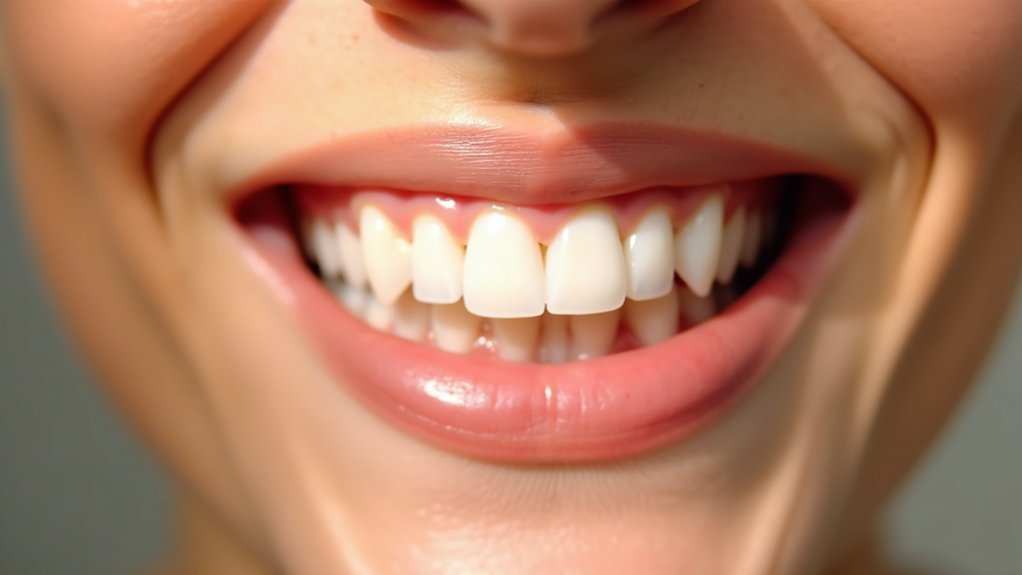

Yes, you can get cavities in your front teeth, just like any other tooth. They’re caused by plaque buildup from bacteria feeding on sugars, poor oral hygiene, or even acid reflux. Look out for white spots, discoloration, or sensitivity when eating. Treatment may involve fillings or dental bonding. To prevent cavities, maintain good oral hygiene, limit sugary foods, and visit your dentist regularly. There’s more to learn about caring for your front teeth and preventing cavities.
Key Takeaways
- Yes, you can get cavities in your front teeth due to plaque buildup from bacteria feeding on sugars and starches.
- Poor oral hygiene and consumption of sugary foods increase the risk of cavities in front teeth.
- Early signs of front tooth cavities include white spots, discoloration, and sensitivity to temperature.
- Treatment options for cavities in front teeth include fillings, bonding, and, in severe cases, root canals or crowns.
- Regular dental checkups are essential for early detection and prevention of front tooth cavities.
What Causes a Front Tooth Cavity?
Cavities in front teeth develop primarily due to the buildup of plaque, which occurs when bacteria feed on sugars and starches in your diet.
Consuming sugary foods and drinks, especially acidic beverages, heightens your risk of developing cavities. Poor oral hygiene practices, such as skipping brushing and flossing, greatly contribute to plaque accumulation on visible teeth.
Additionally, factors like acid reflux can weaken enamel, increasing vulnerability to decay over time. A lack of fluoride, essential for strengthening enamel, further elevates the risk of cavities in front teeth, particularly for those with limited access to fluoride toothpaste or treatments.
Signs of a Front Tooth Cavity
How can you tell if you have a cavity in your front tooth? Look for initial signs like small white spots on the enamel, indicating early demineralization.
If you notice brown or black discoloration, it may signal a progressing front teeth cavity. As the cavity worsens, visible holes or pits can develop, requiring immediate dental attention.
You might also experience sensitivity, feeling sharp pain when consuming hot, cold, sweet, or sour foods.
Additionally, persistent bad breath, despite regular brushing, can indicate bacterial activity linked to cavity formation.
Recognizing these signs early can help you seek proper treatment promptly.
How to Identify and Treat a Front Tooth Cavity
To identify a front tooth cavity, watch for early signs like white spots, discoloration, and sensitivity to hot or cold.
Once detected, treatment options range from simple fillings to more advanced procedures like root canals for severe decay.
Regular dental checkups are essential to catch these issues early and prevent further complications.
Recognizing Cavity Symptoms
Are you aware of the early signs of a cavity in your front teeth? Recognizing cavity symptoms is crucial for maintaining oral health.
Look for white spots or light discoloration, which indicate enamel demineralization. As cavities progress, you might notice brown or black spots, or even visible holes that require immediate dental care.
If you experience sharp pain or sensitivity when consuming hot, cold, or sweet foods, it’s a sign the cavity may have reached the dentin.
Regular dental checkups every six months are essential for catching these cavities early and ensuring the longevity of your smile.
Treatment Options Available
Identifying and treating a cavity in your front teeth is essential for preserving both function and aesthetics.
Treatment options include tooth-colored composite fillings, which blend seamlessly with your natural teeth and restore their appearance and function. For smaller cavities or chips, dental bonding can effectively repair your teeth using a tooth-colored resin hardened with a special light.
If decay severely affects the tooth’s pulp, a root canal may be necessary, followed by a crown for protection.
Regular oral care, including dental checkups and cleanings, is vital for early detection and treatment of cavities, helping maintain your overall oral health.
Importance of Prevention
Preventing cavities in your front teeth is essential not only for maintaining good oral health but also for preserving your smile’s aesthetic appeal.
Regular dentist checkups every six months help identify front tooth cavities early, often seen as white spots or light discoloration. If you experience sensitivity to hot, cold, or sweet foods, it’s important to act promptly.
A consistent oral hygiene routine—brushing twice daily with fluoride toothpaste and flossing once a day—can greatly reduce the risk of cavities.
Prevention of Front Tooth Cavities
To prevent cavities in your front teeth, you need to prioritize daily oral hygiene practices, including brushing and flossing.
Your nutritional choices also play an essential role; limiting sugary foods and ensuring a balanced diet can greatly impact your dental health.
Regular dental checkups will help catch any issues early and keep your smile healthy.
Daily Oral Hygiene Practices
Maintaining good oral hygiene is essential for keeping your front teeth cavity-free. To effectively prevent cavities, follow these daily practices:
- Brush twice daily with fluoride toothpaste to strengthen enamel and remove plaque.
- Daily flossing eliminates food particles between your teeth, preventing plaque buildup.
- Limit sugary foods and drinks to reduce acid production from bacteria that erode enamel.
- Schedule regular dental checkups every six months for early detection and treatment of potential cavities, ensuring peak oral health.
Nutritional Choices Impact
When you make informed nutritional choices, you can greatly reduce the risk of cavities in your front teeth. A diet high in sugary foods and beverages increases tooth cavities, as oral bacteria convert sugar into harmful acids that erode enamel.
Additionally, acidic drinks like soda and fruit juices can further weaken enamel. To protect your front teeth, focus on a balanced diet rich in fruits, vegetables, and whole grains, which provide essential nutrients like calcium and vitamin D.
Regularly consuming sugary snacks without proper dental hygiene creates an ideal environment for cavities, making wise nutritional choices vital for prevention.
Regular Dental Checkups
Informed nutritional choices play an essential role in maintaining oral health, but regular dental checkups are equally important for preventing cavities in front teeth.
Here’s how they help:
- Early Detection: Identify early signs of cavities, like white spots, before they worsen.
- Professional Cleanings: Remove plaque and tartar buildup that can lead to cavities.
- Personalized Advice: Receive tailored recommendations for oral hygiene practices and dietary choices.
- Timely Interventions: Benefit from fluoride treatments that strengthen enamel and reduce cavity risk.
Regular checkups are critical for maintaining good oral hygiene and overall dental health.
Don’t skip them!
Treatment Options for Cavities in Front Teeth
Treating cavities in your front teeth is essential for both maintaining oral health and preserving your smile’s aesthetics. Here are some effective treatment options:
| Treatment Option | Description |
|---|---|
| Tooth-Colored Fillings | Composite resin restores function and looks |
| Bonding | Fills minor cavities with seamless resin |
| Dental Veneers | Covers the entire surface for a natural look |
For more advanced decay, consider indirect restorations like inlays or onlays. If the cavity affects the pulp, a root canal may be necessary to save the tooth. Each option aims to enhance both appearance and health.
Maintaining Good Oral Hygiene for Healthy Teeth
Maintaining good oral hygiene is essential for preserving your front teeth and overall dental health.
To prevent tooth cavities and guarantee a bright smile, follow these steps:
- Brush twice daily with fluoride toothpaste to strengthen enamel.
- Floss daily to remove food particles between teeth that can cause decay.
- Limit sugary foods and drinks to reduce the fuel for cavity-causing bacteria.
- Visit your family dentist for regular checkups and cleanings every six months.