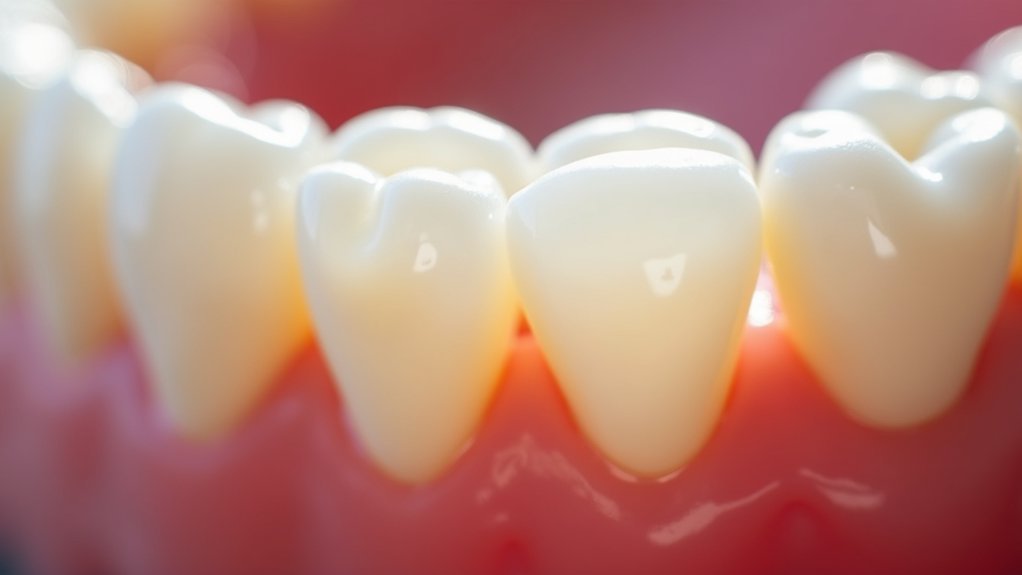

Crowns are designed to closely mimic the feel and function of real teeth, so most people adapt quickly after placement. Initially, you might notice the crown, but as you adjust, it should feel natural and comfortable. Factors like the material used and the precision of the fit can affect this sensation. If you experience ongoing discomfort, it’s crucial to consult your dentist for adjustments. Understanding these aspects can help you manage your expectations effectively.
Key Takeaways
- Crowns are designed to mimic the feel of natural teeth, and most patients adapt quickly to them.
- The material of the crown, such as porcelain, enhances the sensation, making it feel more natural.
- An initial adjustment period is normal, during which patients may notice the crown, but comfort increases over time.
- A properly fitted crown should not cause ongoing sensitivity or discomfort, integrating seamlessly into the mouth.
- Factors like fit and material choice significantly influence how natural a crown feels compared to real teeth.
Understanding Dental Crowns
When you need to restore a damaged tooth, dental crowns can be an effective solution.
These custom-made restorations fit over your existing tooth, offering protection while enhancing its function and appearance. Crafted from durable materials like porcelain or zirconia, crowns are designed to feel like natural teeth.
They effectively support weakened or broken teeth and can cover discolored or poorly shaped ones, improving your smile.
While crowns themselves don’t decay, it’s essential to maintain excellent oral health to protect the underlying tooth structure from cavities.
Investing in dental crowns can greatly elevate your confidence and overall dental well-being.
How Crowns Feel Compared to Real Teeth
When you get a crown, you might notice a brief adjustment period as your mouth adapts to the new piece.
The materials used, like porcelain, play a significant role in how natural the crown feels, while a proper fit enhances comfort and reduces any foreign sensation.
Adjustment Period After Placement
Although you might initially notice a difference after getting a crown, most patients find that they quickly adapt to the new restoration.
During the adjustment period, biting and chewing should feel comfortable, and the crown should glide smoothly against your tongue, much like a natural tooth. If the crown feels bulky or causes discomfort, it may indicate a fit issue, requiring your dentist’s attention to guarantee a seamless feel.
Typically, within a few weeks, patients report that crowns become unnoticeable and blend well with their natural teeth, enhancing both function and comfort.
Material Effects on Sensation
After you’ve settled into your new crown, you’ll likely notice how different materials can affect how the crown feels compared to your natural teeth. Porcelain crowns, for instance, mimic the translucency of healthy teeth, making them feel similar in function. In contrast, metal crowns may have heightened temperature sensitivity.
| Material Type | Sensation Comparison |
|---|---|
| Porcelain | Closely resembles natural teeth |
| Metal | May feel different, especially in temperature |
Ultimately, the comfort level of your crown will hinge on its fit and your personal experience, especially if you’ve replaced decayed teeth.
Comfort With Proper Fit
Even if you’ve just received a crown, you’ll find that a properly fitted one can feel remarkably similar to your natural teeth.
Crowns are made to align with your existing tooth structure, providing a sense of comfort that mimics the feeling of natural teeth. While you might experience a brief adjustment period, a well-fitted crown integrates seamlessly, allowing you to bite and chew without noticeable difference.
If your crown feels bulky or uncomfortable, it’s crucial to consult your dentist for adjustments.
Ultimately, the right fit guarantees that your crown not only looks great but feels just like your own teeth.
The Adjustment Period After Crown Placement
Once you’ve had your crown placed, you might notice a brief adjustment period as you get used to the new restoration. This phase typically lasts a few days to weeks. While it’s common to feel the crown as a foreign object initially, most patients report increased comfort and a more natural feel as they adapt. If discomfort persists, it may indicate a fit issue that requires your dentist’s attention. Properly fitted crowns should allow for comfortable biting and chewing, feeling like real teeth.
| Adjustment Period | Key Insights |
|---|---|
| Duration | Few days to weeks |
| Initial Sensation | Awareness of the crown |
| Comfort Increase | Natural feel improves |
| Fit Issues | Consult dentist if persistent |
| Biting Comfort | Should integrate seamlessly |
Factors Affecting Crown Sensation
The sensation you experience with a crown can be greatly influenced by the material it’s made from, such as porcelain or metal, each offering different levels of comfort and realism.
A proper fit is essential; if a crown doesn’t align well with your natural teeth, it may feel uncomfortable or foreign.
Additionally, your personal adjustment period plays a role, as it can take time to adapt fully to the new crown.
Material Choices Impact Sensation
When choosing a crown, the material you select greatly influences how it feels in your mouth.
Porcelain crowns closely mimic the translucency and feel of natural teeth, making them ideal for front restorations. In contrast, metal crowns offer durability but can create different temperature sensitivities that may impact comfort.
A well-fitted crown integrates seamlessly with your surrounding teeth, enhancing the sensation of normalcy. However, bulky or uneven crowns can lead to discomfort, requiring adjustments for a more natural feel.
Your personal experience with crown comfort will vary based on the material used and the precision of the crown’s fit.
Fit and Comfort Issues
Fit plays a significant role in how comfortable a crown feels in your mouth. A well-fitted crown integrates seamlessly with your natural teeth, enhancing comfort and reducing sensitivity.
Conversely, a poor fit can cause discomfort or a sense of looseness. Initially, you might notice the crown as a foreign object, but this sensation usually fades over time.
Factors like the crown material and the precision of dental impressions impact how natural the crown feels. If you experience persistent discomfort, adjustments may be necessary to guarantee proper fit and alignment, maximizing your overall comfort and satisfaction with the crown.
Addressing Crown Sensitivity Issues
How can you tell if your crown is causing sensitivity? If you experience discomfort after a dental procedure, it could indicate issues with your crown. Here are some signs to watch for:
- Sensitivity to cold that lasts beyond a few months
- Persistent discomfort or pressure around the crown
- Increased awareness of the crown as a foreign object
While some initial sensitivity is normal, ongoing issues may suggest a poor fit.
If sensitivity continues or worsens, consult your dentist for adjustments to guarantee ideal comfort and fit of your crown.
Your well-being is important, so don’t hesitate to seek help.
The Importance of Proper Fit for Comfort
While many people may not realize it, the comfort of a dental crown largely hinges on its proper fit. A well-fitted crown integrates seamlessly with your natural teeth, ensuring a comfortable experience during biting and chewing.
If you notice discomfort, pain, or looseness, it’s important to consult your dentist for adjustments. Proper alignment is critical, as an ill-fitting crown can lead to ongoing sensitivity.
Though an adjustment period is typical, most patients find their crown indistinguishable from natural teeth over time. Regular dental check-ups are essential to assess the fit, keeping your crown comfortable and functional throughout its lifespan.
Long-Term Adaptation to Crowns
As you adjust to your new dental crowns, you’ll likely notice that they begin to feel increasingly natural over time. Most patients report that after a short adjustment period, the crowns integrate seamlessly with their teeth.
Factors influencing this adaptation include:
- The materials used, with porcelain crowns often providing the most natural feel.
- The fit and alignment, which is essential for comfort.
- Temporary sensitivity to cold, which usually resolves as you adapt.
With time, the sensation of having a crown will diminish, allowing you to enjoy the benefits of your restored smile without distraction.