
Tongue piercings can damage your teeth in several ways. Jewelry can lead to constant pressure, causing enamel wear and increasing the risk of chipped teeth. Additionally, up to 35% of long-term wearers may experience gum recession, exposing tooth roots and compromising oral health. Regular flossing and diligent dental care are essential. Consulting a dentist and selecting suitable jewelry can help mitigate risks. Want to know more about caring for your piercing and maintaining your oral health?
Key Takeaways
- Tongue piercings can lead to dental damage, including chipped teeth and enamel wear due to constant pressure from the jewelry.
- Accidental bites on the jewelry can expose nerves and increase the risk of tooth decay.
- Up to 35% of long-term tongue piercing users may experience gum recession, compromising oral health.
- Jewelry can trap food and debris, increasing the risk of infections and dental issues.
- Regular dental check-ups and good oral hygiene practices are essential for minimizing risks associated with tongue piercings.
Types of Tongue Piercings
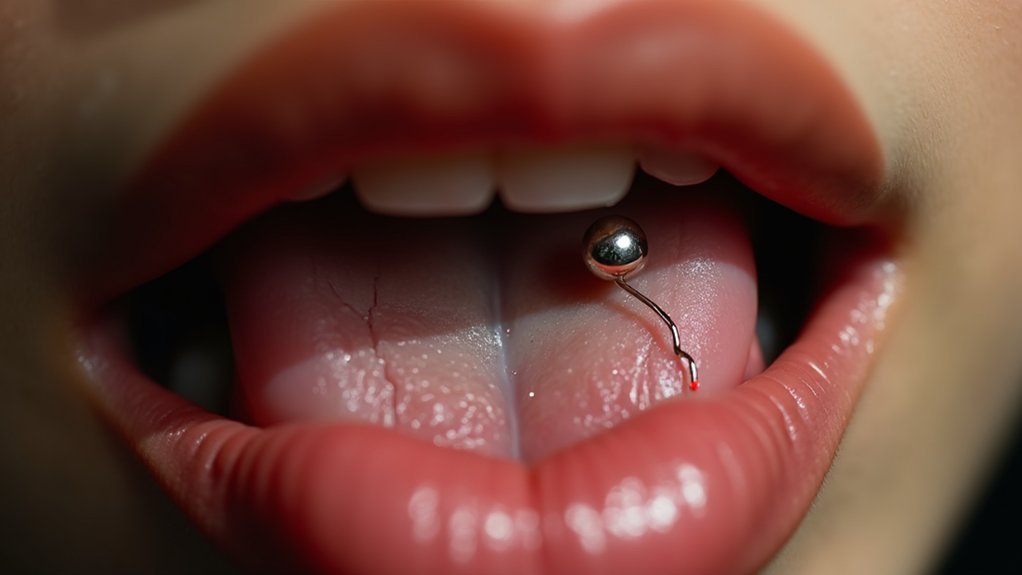
When considering tongue piercings, it’s important to understand the various types available. The most common type is the stud, featuring a barbell with spherical ends.
Dorsoventral tongue piercings go from the top to the bottom of the tongue, while dorsolateral piercings cross its width. Additionally, tongue rings can be inserted through the lingual frenulum, connecting the tongue to the mouth’s floor.
Other oral piercings include lip and cheek piercings. The type of jewelry you choose can greatly impact comfort and associated risks, particularly regarding your gums and teeth, so make informed decisions to maintain your oral health.
Risks and Oral Health Issues Associated With Tongue Piercings
Choosing to get a tongue piercing involves more than just aesthetics; it carries several risks that can significantly impact your oral health.
Tongue piercings can lead to dental damage, including chipped teeth and gum disease, due to constant contact with jewelry. This jewelry can trap food and debris, heightening the risk of tooth decay.
Additionally, studies show that up to 35% of long-term users experience gum recession. Infections are another common complication, potentially exacerbating dental issues if untreated.
Up to 35% of long-term tongue piercing users face gum recession, while untreated infections can worsen dental health complications.
Regular monitoring of oral hygiene is essential, as the presence of jewelry may complicate future dental procedures.
How Tongue Piercings Can Damage Your Teeth
While tongue piercings may seem trendy, they can pose serious risks to your dental health. The constant pressure from the jewelry can lead to enamel wear and damage to your teeth, increasing the likelihood of cavities.
Accidental bites on the jewelry can chip away at your teeth, potentially exposing the nerves of the tooth and necessitating extensive treatments.
Additionally, up to 35% of individuals may experience gum recession, which can compromise oral health by exposing tooth roots.
To mitigate these risks, remember to prioritize flossing daily and consult your dentist about maintaining your smile while considering a tongue piercing.
Tips for Caring for Your Tongue Piercing
Caring for your tongue piercing is essential to prevent complications such as infections and damage to your oral health. Follow these tips to maintain your piercing while protecting your teeth and gums:
| Care Tip | Description |
|---|---|
| Clean with mouthwash | Use an alcohol-free mouthwash to reduce bacteria. |
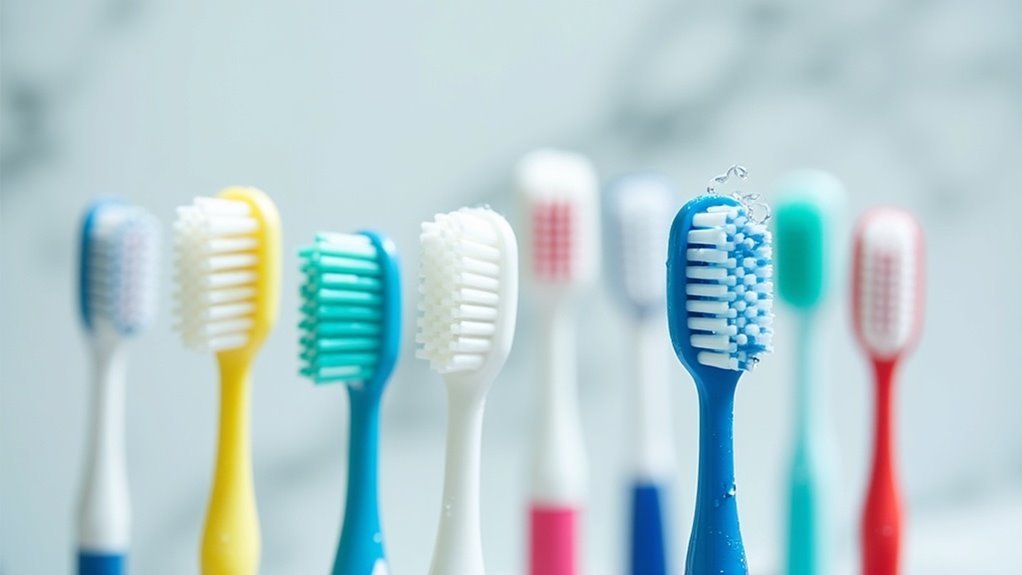
| Brush your teeth | Brush twice daily with a soft-bristle toothbrush. |
| Floss daily | Maintain oral hygiene around the jewelry. |
| Replace jewelry | Swap to smaller pieces once swelling subsides. |
| Schedule dental check-ups | Visit your dentist 3-4 times a year for monitoring. |
Implementing these habits will help reduce the risk of infection and maintain your oral health.
Seeking Professional Guidance for Oral Health
How can you guarantee the health of your mouth when you have a tongue piercing? Consult a professional piercer to assure safe practices and minimize risks involved, like gum damage and sensitive teeth.
Regular dental check-ups, ideally 3-4 times a year, are crucial for monitoring your oral health and catching signs of infection early. Inform your dentist about your piercing, as metal jewelry can interfere with x-rays and treatment plans.
They can offer personalized advice on maintaining oral hygiene and selecting suitable jewelry that won’t harm your teeth. Prioritize your oral health by seeking guidance from dental experts.