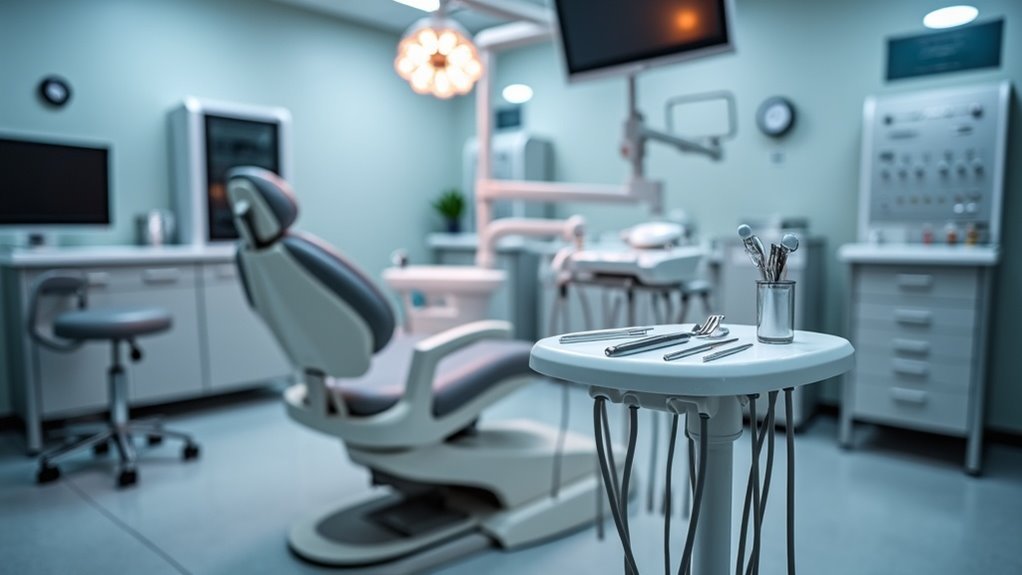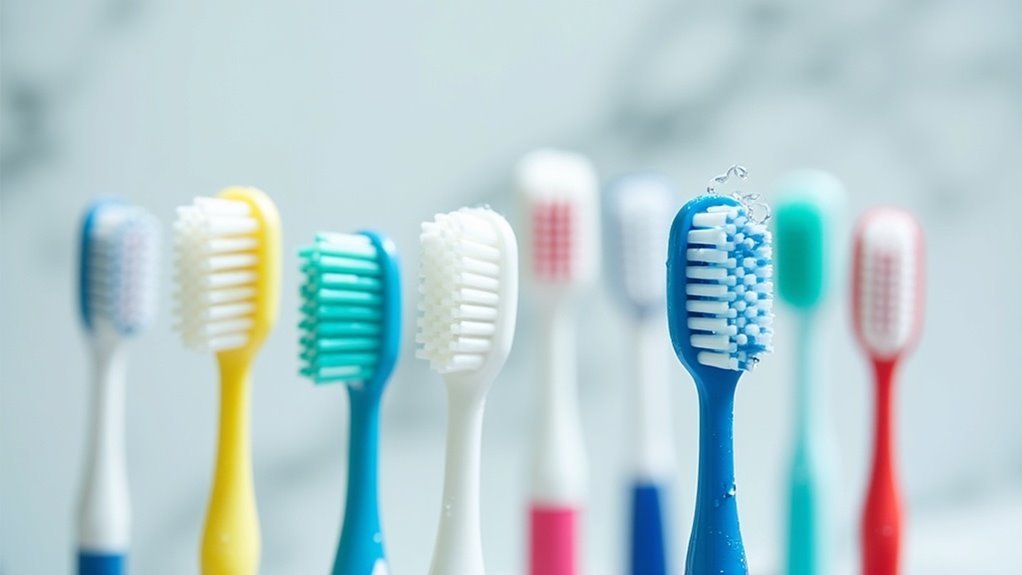

Not brushing your teeth can indeed contribute to acne. When you neglect oral hygiene, harmful bacteria accumulate in your mouth and can irritate your skin, particularly around the chin and mouth. Gum infections elevate Propionibacterium acnes levels, which are linked to acne development. Consistent dental care, like brushing and flossing, reduces these bacteria and inflammation, ultimately promoting clearer skin. Explore further to understand how oral care fits into your overall skincare routine.
Key Takeaways
- Poor oral hygiene can lead to increased bacteria in the mouth, contributing to acne breakouts, particularly around the chin and mouth areas.
- Gum disease raises levels of Propionibacterium acnes, a bacteria linked to acne formation and skin inflammation.
- Inadequate brushing allows plaque buildup, which can irritate the skin and exacerbate acne conditions.
- Touching the face can transfer harmful oral bacteria to the skin, increasing the risk of breakouts.
- Maintaining good dental hygiene practices, such as brushing and flossing, can help reduce acne risk and promote clearer skin.
The Connection Between Oral Hygiene and Acne
While you mightn’t immediately connect oral hygiene to skin health, neglecting to brush your teeth can indeed have consequences for your complexion.
Poor oral hygiene leads to bacteria in your mouth, which can contribute to acne breakouts, especially around the chin and mouth areas. Research shows that gum disease, such as gingivitis, increases levels of Propionibacterium acnes, a bacteria linked to acne formation.
When plaque accumulates, inflammation may affect your skin as well. Maintaining a consistent dental hygiene routine that includes brushing and flossing is essential for minimizing oral bacteria and reducing the risk of acne flare-ups, ultimately promoting better skin health.
How Bacteria From the Mouth Affect Skin Health
As you maintain your oral hygiene, it’s crucial to recognize how bacteria from your mouth can influence your skin health.
Poor oral hygiene allows harmful oral bacteria to flourish, which may irritate skin and lead to acne, especially around the chin and lips. Inadequate brushing can cause plaque buildup, resulting in gum inflammation that elevates Propionibacterium acnes levels, a known acne contributor.
Additionally, habits like touching your face can transfer oral bacteria to your skin. By brushing your teeth twice daily and practicing good dental hygiene, you can greatly reduce the risk of acne and promote overall skin health.
The Role of Gum Infections in Acne Development
Gum infections play a significant role in the development of acne, particularly due to their ability to elevate levels of Propionibacterium acnes, a bacterium closely associated with acne formation.
Here’s how poor oral hygiene contributes to skin issues:
Poor oral hygiene can significantly worsen skin conditions, leading to increased acne breakouts.
- Bacteria Migration: Harmful bacteria from infected gums can migrate to facial skin, leading to breakouts.
- Inflammation: Gum infections cause inflammation that exacerbates skin conditions, especially around the mouth and chin.
- Transfer Methods: Touching your face or nail-biting can transfer bacteria from gums to skin, increasing acne risk.
Maintaining healthy gums is essential for minimizing acne flare-ups and promoting overall skin health.
Effective Dental Hygiene Practices for Clearer Skin
To achieve clearer skin, effective dental hygiene practices are essential.
Brushing your teeth twice daily and incorporating flossing can greatly reduce bacteria that contribute to skin irritation and acne.
Additionally, regular dental check-ups help identify any oral health issues that may negatively impact your skin, ensuring a holistic approach to both oral and skin health.
Daily Brushing Benefits
Brushing your teeth twice daily plays an essential role in maintaining not only your oral health but also your skin’s clarity.
Effective dental hygiene practices reduce harmful bacteria in your mouth, preventing skin irritation and acne. Here are three key benefits:
- Bacteria Reduction: Consistent brushing minimizes plaque, which can harbor acne-causing bacteria like Propionibacterium acnes.
- Clear Skin Areas: Brushing before washing your face helps keep bacteria from transferring to your skin, especially around the mouth and chin.
- Regular Check-Ups: Routine dental visits help identify oral health issues that may contribute to skin problems, reinforcing the connection between dental care and clearer skin.
Flossing for Skin Health
Although many people focus on brushing their teeth as the cornerstone of oral hygiene, flossing is equally essential for maintaining not just oral health but also skin clarity.
Daily flossing removes plaque and food particles, reducing harmful bacteria that can contribute to skin irritation and acne. By preventing gum disease, you help maintain healthier oral flora, which supports clearer skin.
Consistent flossing also limits the transfer of bacteria from your mouth to areas around your mouth prone to acne. Incorporating flossing into your dental care routine is vital for overall skin health, minimizing bacteria buildup that exacerbates acne.
Regular Dental Check-ups
Maintaining your dental health through regular check-ups plays a significant role in achieving clearer skin. These appointments help prevent issues that could lead to acne.
Consider these benefits:
- Professional Cleanings: They remove plaque and tartar, reducing bacteria linked to skin irritations.
- Gum Disease Detection: Early identification prevents bacteria escalation that may trigger acne flare-ups.
- Personalized Oral Hygiene Advice: Dentists provide tailored recommendations that help minimize bacteria transfer to your face.
Other Factors Contributing to Acne
While poor dental hygiene can play a role in overall skin health, it’s essential to recognize that acne is influenced by a variety of other factors.
Hormonal fluctuations during puberty or menstrual cycles can increase oil production, exacerbating acne. Genetics also greatly impacts your susceptibility; if acne runs in your family, you’re more likely to experience it.
Additionally, diets high in refined sugars and dairy may elevate insulin levels and inflammation, leading to breakouts. Certain comedogenic cosmetics can clog pores, particularly for those with oily skin.
Finally, stress can trigger hormonal changes that worsen acne. Prioritize holistic care habits for better outcomes.
Integrating Oral Care Into Your Skincare Routine
Integrating your oral care into your skincare routine can greatly enhance your overall skin health. By adopting good oral hygiene, you can minimize bacteria transfer to the skin on your face, potentially reducing acne outbreaks.
Integrating oral care with skincare can significantly improve skin health and help reduce acne outbreaks.
To effectively incorporate dental care into your regimen, consider the following:
- Brush your teeth before cleansing your face to prevent harmful bacteria from spreading.
- Use antibacterial mouthwash post-brushing to further eliminate bacteria.
- Maintain a consistent routine of both dental and skincare practices for peak health.
When to Seek Professional Dental Help
How can you tell when it’s time to seek professional dental help? If you notice red, swollen gums or experience bleeding that persists despite good oral hygiene, these may signal gum disease.
Additionally, frequent breakouts, especially near your mouth or chin, could indicate an underlying oral health issue, necessitating a dental check-up.
Visible plaque buildup that brushing can’t remove also warrants professional cleaning to prevent skin irritations linked to oral bacteria.
Finally, persistent bad breath might suggest a dental infection contributing to acne.
Regular check-ups every six months are essential for early detection and maintaining both oral and skin health.