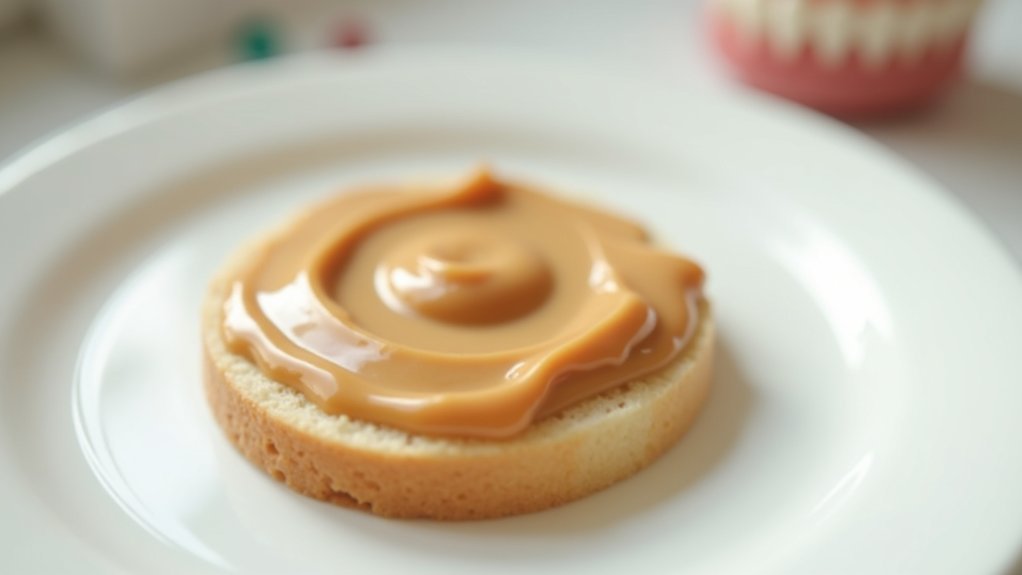

Yes, peanut butter can stain your teeth if you don’t maintain proper oral hygiene. Its sticky texture can trap bacteria and create a film on your teeth, potentially leading to discoloration. While it has a lower staining potential compared to coffee or red wine, it’s still essential to rinse your mouth after eating and practice regular brushing and flossing. Want to know more about how to protect your smile while enjoying peanut butter?
Key Takeaways
- Peanut butter has a low staining potential compared to foods like coffee or red wine.
- Its sticky texture can trap bacteria, potentially leading to plaque buildup if oral hygiene is neglected.
- Maintaining good oral hygiene, including brushing and rinsing, is essential after consuming peanut butter.
- Varieties with added sugars may increase the risk of plaque formation and discoloration.
- Avoid peanut butter after teeth whitening treatments to prevent any potential staining effects.
Understanding Teeth Staining
When you think about teeth staining, it’s important to recognize that stains can be categorized into two main types: extrinsic and intrinsic.
Extrinsic stains affect the outer layer of your teeth, often caused by foods and drinks like coffee, tea, and even peanut butter. While peanut butter has low staining potential, its sticky texture can lead to plaque buildup if you don’t maintain good oral hygiene.
Intrinsic stains occur within the teeth, usually requiring professional whitening treatments for resolution.
The Composition of Peanut Butter
When you look at peanut butter, you’ll notice it’s primarily made from ground, roasted peanuts, often with added ingredients like salt or sugar.
This composition not only provides nutritional benefits, such as healthy fats and essential vitamins, but it also varies across different types of peanut butter.
Understanding these aspects can help you make informed choices, especially regarding their impact on your dental health.
Nutritional Benefits of Peanut Butter
Peanut butter offers a wealth of nutritional benefits, primarily due to its rich composition of healthy fats, protein, vitamins, and minerals. Made from ground, roasted peanuts, it contains monounsaturated and polyunsaturated fats that support heart health.
With about 8 grams of plant-based protein per 2-tablespoon serving, it’s a great option for boosting protein intake. Additionally, peanut butter is packed with essential vitamins and minerals like vitamin E and magnesium.
However, its sticky texture can contribute to plaque formation, so practicing good dental hygiene is vital when enjoying this nutritious food, ensuring you maintain both health and oral hygiene.
Types of Peanut Butter
While exploring the various types of peanut butter, you’ll find that their compositions can markedly differ based on added ingredients and preparation methods. Here’s a breakdown:
| Type | Composition | Staining Potential |
|---|---|---|
| Creamy | Peanuts, salt, oils | Low |
| Chunky | Peanuts, salt, oils | Low |
| Natural | Peanuts, salt | Very Low |
| Reduced-Fat | Peanuts, added sugars | Moderate |
| Conventional | Peanuts, hydrogenated oils, added sugars | Higher |
Natural peanut butter is typically healthier, featuring fewer added sugars and a lower risk of teeth discoloration compared to other varieties.
Ingredients Affecting Dental Health
The ingredients in peanut butter can considerably influence your dental health. While peanut butter might be rich in healthy fats and proteins, added sugars often found in commercial varieties can contribute to plaque buildup, potentially leading to stains on your teeth.
It’s essential to maintain good oral hygiene to combat this effect. Natural peanut butter, which lacks these added sugars, is a better option for your dental well-being.
Although peanut butter’s low acidity reduces the risk of enamel erosion, its sticky texture can trap bacteria between teeth if not cleaned properly, emphasizing the importance of effective brushing and flossing.
Can Peanut Butter Stain Teeth?
Peanut butter can stain your teeth if you don’t maintain proper oral hygiene.
Its sticky consistency may trap bacteria and create a film, potentially leading to discoloration over time.
To minimize this risk, it’s crucial to brush and floss after enjoying peanut butter.
Staining Potential of Peanut Butter
Could peanut butter really stain your teeth? While its staining potential is lower than that of coffee or red wine, it can still contribute to discoloration if oral hygiene isn’t prioritized.
Here are three key points to evaluate:
- Peanut butter’s sticky consistency can cling to teeth, leading to a thin film that may cause slight yellowing over time.
- Added sugars can promote plaque formation, increasing the risk of staining.
- Avoid peanut butter immediately after a teeth whitening treatment, as it may interact with whitening agents.
Good oral hygiene is essential to minimize any staining effects from peanut butter.
Oral Hygiene Importance
Maintaining good oral hygiene is essential, especially when consuming sticky foods like peanut butter. Its consistency can trap food particles and bacteria, potentially leading to discoloration if neglected.
While peanut butter has lower staining potential compared to coffee or tea, the natural oils and sugars may create a film on your teeth. To combat this, rinse your mouth with water after eating to help remove residue and reduce plaque buildup.
Regular brushing and flossing are vital for maintaining good oral hygiene and a bright smile, particularly after enjoying sticky treats like peanut butter to prevent any potential staining effects.
Comparing Peanut Butter to Other Foods
When comparing peanut butter to other common foods, it’s clear that its staining potential is considerably lower.
Consider these points:
- Lower Pigment: Unlike coffee or red wine, peanut butter lacks strong pigments that typically stain teeth.
- Acidity Levels: Peanut butter is low in acidity, reducing the risk of enamel erosion that can lead to discoloration.
- Plaque Buildup: While its sticky consistency can contribute to plaque buildup, good oral hygiene practices can mitigate any potential yellowing.
Maintaining Dental Health With Peanut Butter
While enjoying peanut butter can be part of a healthy diet, it’s important to prioritize your dental health to prevent any potential issues.
To maintain the best oral care, eat natural or unsweetened peanut butter varieties that minimize added sugars. After consuming, rinse your mouth with water to remove sticky residue that can cling to teeth and cause discoloration.
Brushing twice daily and flossing are vital in preventing plaque buildup, especially after eating sticky foods like peanut butter.
Don’t forget regular dental check-ups and cleanings to support your overall dental health and keep your smile bright and healthy.
Tips for Preventing Teeth Staining
To keep your teeth looking their best and prevent staining, it’s important to adopt effective oral hygiene practices.
Here are three tips to help you maintain a bright smile:
- Brush twice daily and floss regularly to remove residue from sticky foods like peanut butter, ensuring you minimize staining.
- Rinse your mouth with water after enjoying peanut butter to wash away particles that could lead to plaque buildup.
- Schedule regular dental check-ups and cleanings to monitor your teeth’s brightness and receive professional advice on teeth whitening options.
Staying proactive in your oral hygiene can greatly prevent teeth staining and keep your smile radiant.
Addressing Common Myths About Peanut Butter and Dental Health
Have you ever wondered if peanut butter really harms your dental health?
Contrary to popular belief, peanut butter has a low staining potential compared to foods like coffee or red wine. When enjoyed in moderation and combined with good oral hygiene, it can fit into a balanced diet without greatly affecting your teeth.
However, be cautious with varieties containing added sugars, as they can contribute to plaque and yellowing. Rinsing your mouth with water after eating peanut butter helps remove residue, supporting effective teeth whitening and reducing any potential staining effects.
Exploring Alternatives to Peanut Butter
If you’re looking for alternatives to peanut butter that maintain a similar taste and texture, you’ll find a variety of options that may even be better for your dental health.
Consider these alternatives:
- Almond Butter: Lower staining potential and creamy texture, ideal for teeth whitening.
- Sunflower Seed Butter: Nutritious and less sticky, reducing plaque formation.
- Greek Yogurt: Packed with protein and probiotics, it’s a non-sticky substitute.
These options not only support your health but also minimize dental risks associated with peanut butter.
Enjoy delicious choices that cater to your well-being and enhance your smile!