
To heal cracked teeth naturally, first recognize the signs like sharp pain and sensitivity. Rinse with warm saltwater to reduce inflammation, and apply clove oil for pain relief. Use a cold compress to minimize swelling and chew on ginger root for its anti-inflammatory properties. Adopt a soft food diet and brush gently to avoid further damage. However, if pain persists or symptoms worsen, seeking professional help is essential. There’s more to explore about effective long-term care for your teeth.
Key Takeaways
- Rinse with warm saltwater to reduce inflammation and eliminate bacteria around the cracked tooth.
- Apply clove oil directly to the affected area for natural pain relief.
- Use a cold compress on the cheek to numb pain and minimize swelling.
- Chew ginger root to harness its anti-inflammatory properties for discomfort relief.
- Create a garlic paste to help prevent infection and alleviate pain in the cracked tooth.
Recognizing the Signs of a Cracked Tooth
Have you ever experienced sharp pain while biting or chewing? This could signal a cracked tooth.
Experiencing sharp pain while biting or chewing? This could indicate a cracked tooth that needs immediate attention.
You might notice sensitivity to hot or cold, indicating trouble beneath the surface. Discomfort that fluctuates often arises from pressure changes or temperature shifts, making daily eating a challenge.
Look for visible lines or cracks in the enamel; these are essential indicators that require immediate attention.
Swelling around the affected area suggests inflammation, which demands a professional evaluation.
If you recognize these signs, don’t hesitate to seek a dental consultation. Early intervention is vital to prevent further complications and restore your dental health.
Natural Remedies for Managing a Cracked Tooth
After recognizing the signs of a cracked tooth, it’s important to explore natural remedies that can help manage pain and promote healing.
A warm saltwater rinse can reduce inflammation and eliminate bacteria around the cracked tooth. Clove oil serves as a natural anesthetic, effectively relieving pain when applied directly. A cold compress on your cheek can numb the area and reduce swelling.
Chewing ginger root for 15 minutes harnesses its anti-inflammatory properties, while garlic paste, used regularly, can prevent infection and further reduce pain.
Always maintain good oral hygiene to support these remedies and enhance your healing process.
Preventing Further Damage
To prevent further damage to a cracked tooth, it’s essential to modify your eating habits and oral care routine. Focus on these key strategies:
To prevent further damage to a cracked tooth, adjust your diet and oral care habits for better protection.
- Maintain a soft food diet: Opt for options like mashed potatoes and yogurt to reduce pressure on the cracked tooth.
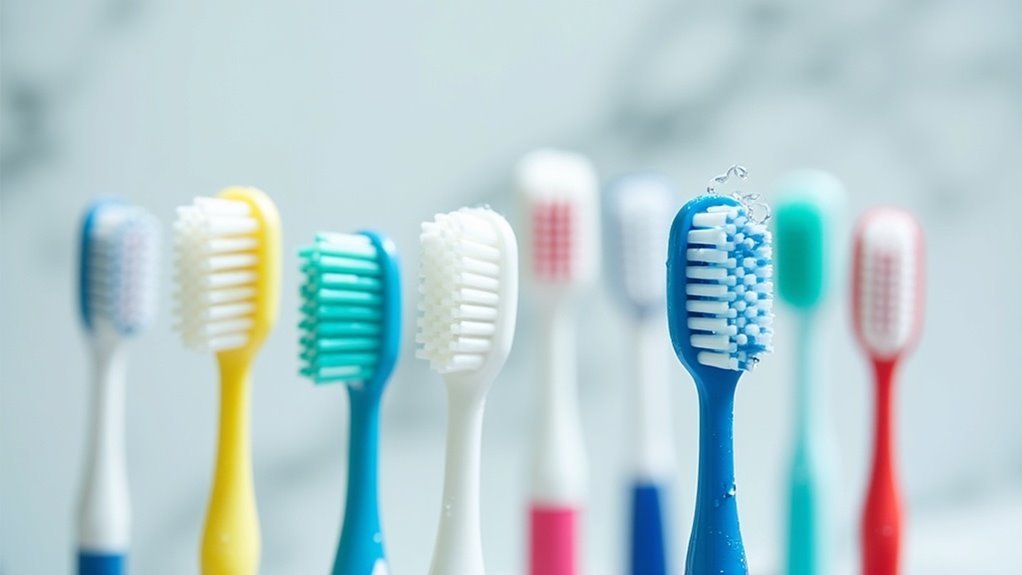
- Brush gently: Use a soft-bristled toothbrush and floss carefully around the affected area to minimize stress and reduce pain.
- Stay hydrated: Drink water regularly to wash away bacteria and support your overall oral health.
When to Seek Professional Care From a Dentist
When you notice persistent pain or visible cracks in a tooth, it’s essential to seek professional care from a dentist.
A cracked tooth that causes sensitivity to hot or cold may indicate deeper issues requiring immediate attention. If you experience swelling or discomfort that home remedies can’t alleviate, don’t delay in making a dental appointment.
Timely intervention is vital to prevent complications like infection or tooth loss. Remember, addressing these concerns early through professional dental care can save you from more invasive treatments later, such as root canal therapy or tooth extraction.
Your dental health deserves prompt attention.
Tips for Long-Term Tooth Health
While it might be easy to overlook dental care in your daily routine, prioritizing long-term tooth health is crucial for maintaining a strong and beautiful smile.
Here are three effective tips:
- Balanced Diet: Incorporate calcium and vitamin D into your meals to strengthen teeth and promote dental health.
- Oral Care Routine: Brush and floss twice daily to prevent decay and maintain enamel integrity.
- Protective Measures: Use a mouthguard during sports and avoid hard or sticky foods to minimize the risk of cracked teeth.
Regular routine check-ups with your dentist are essential for early detection and treatment of potential issues.