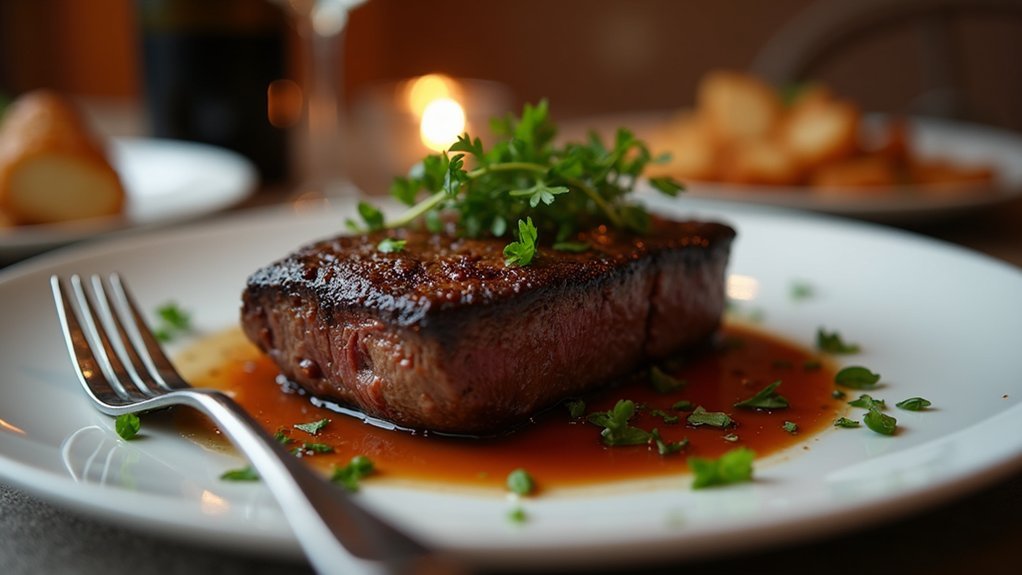

Eating steak immediately after wisdom teeth removal isn’t advisable. Steak is tough and chewy, which can lead to pain, discomfort, and complications like dry socket. You should stick to a soft food diet for at least the first week, focusing on items like yogurt, mashed potatoes, and smoothies to aid your recovery. If you notice no swelling or pain after a few days, consult your dentist before reintroducing solid foods like steak. There’s more to reflect upon for a smooth recovery.
Key Takeaways
- Avoid eating steak for at least 1-2 weeks post-surgery to prevent complications.
- Steak is tough and chewy, which may cause pain and disrupt healing.
- Stick to a soft food diet initially to promote healing and minimize irritation.
- Reintroduce semi-soft foods around days 3 to 4 as healing progresses.
- Consult your dentist for personalized advice on when it’s safe to eat steak.
Understanding Wisdom Teeth Removal Recovery
After you’ve had your wisdom teeth removed, understanding the recovery process is vital for a smooth healing experience.
During the first week post-extraction, focus on a soft food diet to promote healing and avoid irritation to the extraction sites.
During the first week after your wisdom teeth removal, prioritize a soft food diet to aid healing and prevent irritation.
In the initial 24 hours, stick to liquids or soft foods only to aid clot formation. Gradually reintroduce soft solids, like scrambled eggs and mashed potatoes, around days 3 to 4.
It’s important to avoid hot foods and chewy items like steak for at least two weeks to minimize the risk of dry socket and guarantee effective recovery.
The Importance of a Soft Food Diet
After wisdom teeth removal, following a soft food diet is essential for your healing and recovery process.
Soft foods not only ease chewing and digestion but also provide necessary nutrients without irritating your surgical sites.
Sticking to this diet for at least the first week can greatly reduce the risk of complications and support your body’s healing efforts.
Healing and Recovery Process
While your body is healing from wisdom teeth removal, adhering to a soft food diet is essential for ensuring proper recovery.
During the first week, focus on foods to eat like mashed potatoes and smoothies, as they minimize discomfort and protect extraction sites. Avoid solid foods, especially tough items like steak, which can disrupt blood clot formation and increase the risk of complications such as dry socket.
Swelling and soreness typically peak between days 2-3, making soft foods vital to avoid exacerbating these symptoms.
After one week, you can gradually reintroduce solid foods, but avoid hard and chewy items for at least two weeks.
Nutritional Support for Healing
Choosing the right foods during your recovery from wisdom teeth removal is essential, as a soft food diet greatly aids in healing.
Consuming soft foods like mashed potatoes, yogurt, and smoothies minimizes irritation to the healing areas and eases discomfort. High-protein foods such as scrambled eggs and cottage cheese are particularly beneficial, promoting tissue repair and recovery.
It’s vital to avoid hard and chewy foods to reduce the risk of complications like dry socket. Maintaining a nutrient-dense diet rich in vitamins and minerals supports your body’s natural healing processes, ensuring a smoother dental care journey and overall recovery.
Risks of Eating Steak After Surgery
Eating steak shortly after wisdom teeth removal can considerably increase the risk of complications during recovery.
Steak is a tough, chewy food that can irritate the extraction site and impede the healing process. Chewing requires significant jaw movement, which may cause pain and discomfort.
Additionally, food particles can become trapped in the extraction site, raising the risk of infection and complications like dry socket. Consuming steak might disrupt the vital blood clot forming in the socket.
To guarantee proper recovery, it’s best to avoid eating steak for at least 1-2 weeks post-surgery, or until your dentist gives clearance.
Recommended Foods for Post-Operative Care
After wisdom teeth removal, selecting the right foods is vital for a smooth recovery. During the first few days, prioritize soft foods like yogurt, mashed potatoes, and smoothies. These foods or liquids help you heal without discomfort.
Avoid anything chewy, like steak, for at least two weeks, as it can irritate the extraction site. By days 3 to 4, you can gradually reintroduce semi-soft foods, such as scrambled eggs and well-cooked pasta.
Maintaining a diet rich in protein and vitamins from soft sources is important for healing. Always follow your dentist’s specific dietary guidelines for best recovery.
Gradually Reintroducing Solid Foods
As your healing progresses post-wisdom teeth removal, it’s essential to gradually reintroduce solid foods into your diet. Start with soft food options during the first two weeks, then slowly shift to harder foods as comfort improves. Always chew on the opposite side of the surgical site to avoid irritation. Monitor for any discomfort; if you experience pain, revert to softer options. Always consult your dentist before incorporating tougher foods like steak. Below is a guide to help you through the process:
| Week | Food Type | Examples |
|---|---|---|
| 1-2 | Soft Food | Yogurt, mashed potatoes |
| 2-3 | Semi-Soft Food | Scrambled eggs, pasta |
| 3-4 | Firm Foods | Soft bread, cooked veggies |
| 4+ | Harder Foods | Steak, raw vegetables |
Signs That Indicate It’s Safe to Eat Steak
Knowing when it’s safe to eat steak after wisdom teeth removal is essential for your recovery. Here are the signs that indicate it’s safe to eat steak:
- You can comfortably chew soft foods without pain or irritation.
- There’s an absence of swelling around the extraction sites.
- You notice no bleeding from the extraction sites.
- You experience minimal discomfort during normal activities.
Before trying steak, always consult your dentist for personalized advice based on your healing progress.
Gradually reintroducing more solid foods, starting with softer cuts of meat, can help assess your comfort level effectively.
Tips for a Smooth Recovery After Wisdom Teeth Removal
After wisdom teeth removal, following a soft diet is essential for your recovery.
Start with easy-to-eat options like mashed potatoes and yogurt, and gradually introduce other soft foods to manage discomfort effectively.
Additionally, maintaining oral hygiene and avoiding hot foods will further support a smooth healing process.
Ideal Post-Surgery Foods
Following wisdom teeth removal, it’s vital to focus on a diet that promotes healing and minimizes discomfort.
Stick to soft foods to protect your teeth and surgical site. Here are ideal post-surgery foods:
- Yogurt – Smooth and nutrient-dense, it’s easy to eat and soothing.
- Mashed potatoes – Soft and filling, they provide comfort without strain.
- Smoothies – Nutrient-rich and easy to consume; just avoid drinking with a straw.
- Well-cooked grains – Soft and easy to chew, these help sustain energy.
Avoid hard or chewy foods to prevent dislodging blood clots and guarantee a smoother recovery.
Managing Discomfort Effectively
While managing discomfort after wisdom teeth removal can seem challenging, implementing effective strategies can greatly ease your recovery.
Start by taking prescribed medications with soft food to reduce pain and prevent nausea. For the first few days, keep your head elevated on pillows, which helps minimize swelling.
Apply ice packs intermittently during the first 24 hours to manage jaw discomfort. Engage in gentle oral hygiene, like saltwater rinses, to promote healing and prevent infection.
Finally, gradually increase your activity levels while avoiding vigorous exertion to guarantee a smooth recovery. Take care of yourself, and remember to avoid eating the wrong foods.