
Retainers can’t effectively move teeth back after two months of non-use. They’re primarily designed to maintain tooth alignment, not to realign considerably shifted teeth. If you haven’t worn your retainer for that long, it may not fit comfortably or correctly. In cases of noticeable misalignment, professional intervention might be necessary. It’s crucial to consult your orthodontist promptly to address any issues and prevent further complications. Discover how to guarantee your smile stays aligned and what steps to take next.
Key Takeaways
- Retainers are mainly designed to maintain teeth positions, not to realign them after significant shifts.
- After two months of non-use, retainers may no longer fit properly, reducing their effectiveness.
- Forcing a tight or uncomfortable retainer can cause pain and may indicate significant misalignment.
- Minor shifts may be corrected with a properly fitting retainer, but major shifts require professional assessment.
- Immediate consultation with an orthodontist is essential to address any noticeable misalignment or discomfort.
Understanding How Retainers Work
While you may think of retainers primarily as devices that keep your teeth in place after orthodontic treatment, their function is more nuanced.
Retainers are custom-made to hold your teeth in their new positions, preventing any shift back to their original alignment. They apply light pressure to stabilize your teeth, primarily maintaining the achieved alignment rather than actively moving them.
If slight shifts occur, consistent retainer wear can assist with minor realignment. However, after a few months of non-use, the effectiveness diminishes greatly, and you should seek professional guidance for substantial shifting, as retainers alone may not suffice.
Importance of Wearing Your Retainer
Wearing your retainer is essential for stabilizing the new position of your teeth after orthodontic treatment.
Without consistent use, your teeth can shift back, leading to orthodontic relapse.
To maintain the benefits of your treatment, follow the recommended guidelines for retainer wear, especially in the vital first few months.
Stabilizes Teeth Position
Retainers play an essential role in stabilizing teeth position after orthodontic treatment, as they prevent the natural tendency for teeth to shift back to their original alignment.
During the initial months post-treatment, consistent retainer wear is vital because your teeth are most susceptible to movement. This period supports new tissue and bone growth to secure your teeth.
Prevents Orthodontic Relapse
To maintain your newly aligned smile, consistent retainer use is essential in preventing orthodontic relapse. Neglecting to wear your retainer can cause your teeth to move back to their original positions, undermining your orthodontic investment.
Here are key reasons to wear your retainer:
- Stabilizes teeth in newly aligned positions.
- Supports new bone and tissue growth.
- Reduces risk of significant shifts in alignment.
- Saves time and financial resources by minimizing corrective treatments.
Can Retainers Realign Teeth?
Retainers are primarily intended to maintain the position of your teeth after orthodontic treatment, rather than to realign them.
However, if you’ve experienced minor shifts due to a break in retainer wear, a retainer may help reposition your teeth slightly.
For significant misalignment, it’s essential to consult an orthodontist for appropriate treatment.
Retainers’ Realignment Limitations
While many people assume that retainers can help realign teeth, they’re actually designed primarily to maintain the corrected positions following orthodontic treatment.
Here are some important limitations to contemplate:
- Retainers realign only minor shifts in teeth.
- After two months without wear, teeth have shifted considerably.
- Forcing a retainer that no longer fits can cause discomfort.
- Major realignment typically requires professional intervention.
Understanding these limitations is essential; retainers don’t replace braces or clear aligners for realigning teeth after substantial movement.
If your teeth have shifted slightly, consult your orthodontist for appropriate solutions.
Minor Shifts Possible
After understanding the limitations of retainers in realigning teeth, it’s important to recognize that they can indeed address minor shifts when used consistently.
If your teeth have shifted slightly after a two-month break, regular retainer use may help return them to their previous positions, especially if new bone tissue hasn’t fully settled. A tight fit indicates movement, and wearing your retainer can facilitate minor adjustments within weeks.
However, significant realignment usually requires professional intervention. Always consult your orthodontist if you experience discomfort or if your retainer no longer fits properly, as forcing it can lead to complications.
Signs You Need Second-Time Braces
Have you noticed changes in your smile that make you question whether your teeth are shifting back? If so, here are some signs you need second-time braces:
Have you noticed your smile changing? It might be time to consider second-time braces for proper alignment.
- Your retainer feels uncomfortable or tight, indicating significant bite changes.
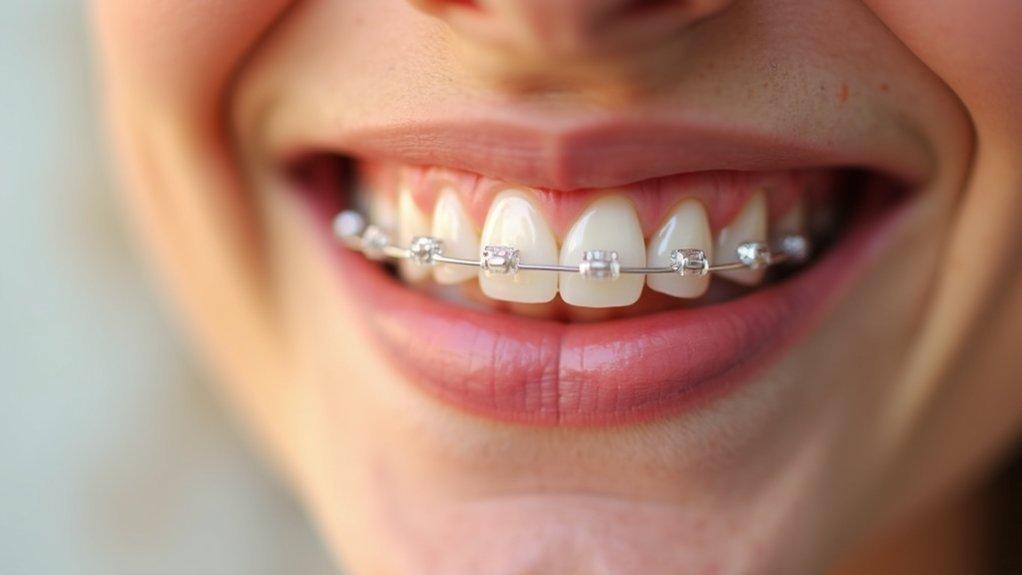
- You see noticeable misalignment, such as overlapping teeth or gaps, suggesting your teeth have started shifting too much for the retainer to correct.
- You’ve had extended periods of non-compliance with retainer wear, increasing relapse risk.
- Forcing a retainer that no longer fits causes pain, highlighting the need for an orthodontic consultation.
Address these issues early for the best outcomes.
What to Do If You Stopped Wearing Your Retainer
If you’ve noticed your teeth shifting and you’ve stopped wearing your retainer, it’s important to act promptly.
Schedule an appointment with your orthodontist to assess how much your teeth have started to shift and discuss your options.
Don’t attempt to wear your old retainer if it feels tight or uncomfortable, as this can damage both the retainer and your teeth.
Replacement retainers may be fitted for minor shifts, but significant misalignments could require additional orthodontic treatment.
Quick intervention is key; delaying action may complicate your treatment needs further.
Prioritize your dental health by addressing the situation as soon as possible.
Immediate Maintenance and Minor Corrections
To maintain the alignment of your teeth after orthodontic treatment, it’s essential to wear your retainer consistently, especially during the critical first few months.
Wearing your retainer consistently is vital for maintaining teeth alignment after orthodontic treatment, especially in the first few months.
Here are some important points to remember:
- Wear your retainer for at least 12 hours daily to prevent teeth from shifting.
- If your retainer fits snugly after a break, it may indicate minor shifts; consistent wear can help move teeth back.
- Immediate maintenance is crucial within the first three months.
- For significant shifts beyond minor corrections, seek professional help, as retainers have limited ability to move teeth effectively.