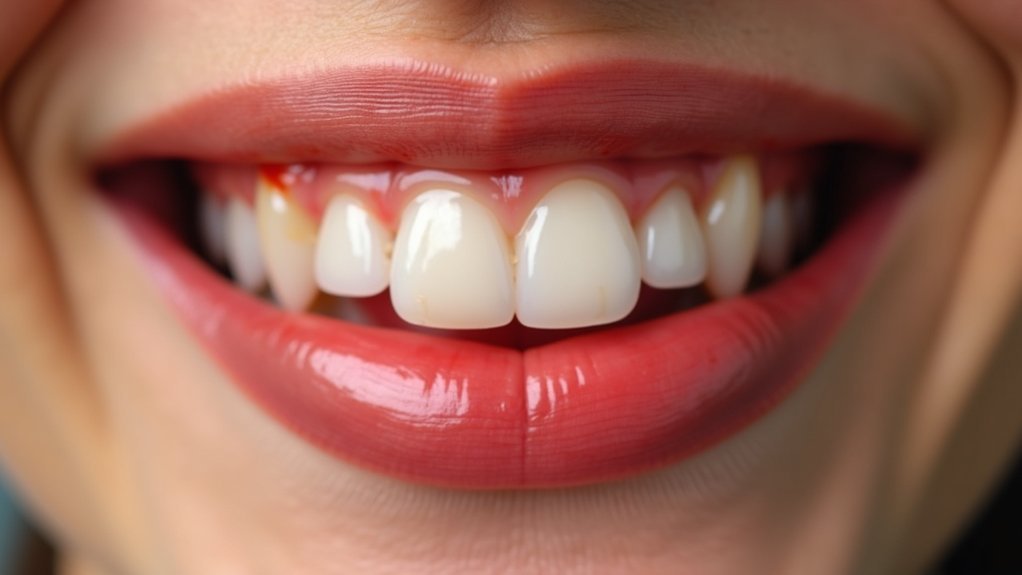

Yes, shifting teeth can definitely cause bleeding gums. Misalignment creates gaps where plaque accumulates, increasing inflammation and discomfort in your gums. This pressure can lead to gum disease, which often results in bleeding. Additionally, inadequate oral hygiene can worsen these conditions, making it vital to address shifting teeth early. Maintaining proper dental care is essential. Keep learning about how to improve your gum health and manage shifting teeth effectively.
Key Takeaways
- Shifting teeth create gaps that allow plaque and bacteria to accumulate, increasing the risk of gum inflammation.
- Misalignment from shifting teeth puts additional pressure on gums, which can lead to discomfort and bleeding.
- Gum disease, often indicated by bleeding gums, can be exacerbated by the instability of shifting teeth.
- Poor oral hygiene practices can worsen gum conditions associated with shifting teeth, leading to further bleeding and gum issues.
- Regular dental check-ups can help identify and address gum disease related to shifting teeth before it progresses.
Understanding the Connection Between Shifting Teeth and Bleeding Gums
Shifting teeth can greatly impact your oral health, particularly when it comes to bleeding gums. Misalignment from shifting teeth increases pressure on your gums, causing inflammation and discomfort.
As gaps form, plaque and bacteria can accumulate, raising the risk of periodontal disease, which often manifests as bleeding gums. Inadequate oral hygiene, stemming from discomfort, can worsen this condition, potentially progressing from gingivitis to more severe stages.
To prevent complications, it’s essential to maintain regular dental checkups. Early detection can help manage gum inflammation and address the underlying issues caused by shifting teeth, ensuring your oral health remains ideal.
Signs That Your Teeth Are Shifting
When it comes to recognizing shifting teeth, several clear signs can help you identify the issue early.
You may notice gaps between teeth or a misaligned midline, disrupting proper alignment. Additionally, tooth pain or sensitivity can signal underlying problems affecting your dental hygiene.
If you experience bleeding gums, it could indicate gum disease, often linked to shifting teeth. An uncomfortable fit of retainers post-orthodontic treatment also suggests movement from corrected positions.
Being aware of these signs of shifting teeth can help you address potential periodontal problems before they worsen, ensuring your oral health remains a priority.
Common Causes of Teeth Shifting
Understanding the common causes of teeth shifting is essential for maintaining your oral health.
Periodontal disease is a significant cause, as it degrades gum tissue and bone support, loosening teeth in their sockets. Natural aging decreases bone density, impacting tooth stability and contributing to shifting.
Periodontal disease and natural aging can significantly compromise gum tissue and bone support, leading to tooth instability and shifting.
Additionally, teeth grinding, or bruxism, can misalign teeth and wear down enamel over time. Loss of a tooth creates gaps, prompting surrounding teeth to shift into these spaces, leading to misalignment.
Hormonal changes and mineral deficiencies may also affect bone density, increasing the risk of shifting teeth and potential bleeding gums.
Preventive Measures for Maintaining Gum Health
Maintaining gum health is essential for preventing complications that can arise from shifting teeth. You can take proactive steps to guarantee your gums remain strong and healthy. Regular brushing and flossing, along with dental checkups, can help detect issues early. Consider using anti-gingivitis toothpaste and antiseptic mouthwash to combat bacteria effectively. A balanced diet rich in vitamins C and K supports gum strength and healing. Monitor for any signs of bleeding gums or swelling, and consult your dental professional promptly.
| Action | Benefit |
|---|---|
| Regular brushing | Reduces plaque buildup |
| Daily flossing | Prevents gum irritation |
| Dental checkups | Detects gum disease early |
| Anti-gingivitis toothpaste | Combats bacteria |
| Balanced diet | Promotes gum healing |
Treatment Options for Shifting Teeth and Gum Disease
Shifting teeth can considerably impact your gum health, leading to complications like gum disease if not addressed promptly.
Effective treatment options include braces or Invisalign, which can realign your teeth and prevent further shifting.
Professional cleaning by your dentist helps tackle gum disease by removing plaque buildup, improving gum health.
After orthodontic treatment, wearing a retainer is vital to maintain alignment and reduce risks of bleeding gums.
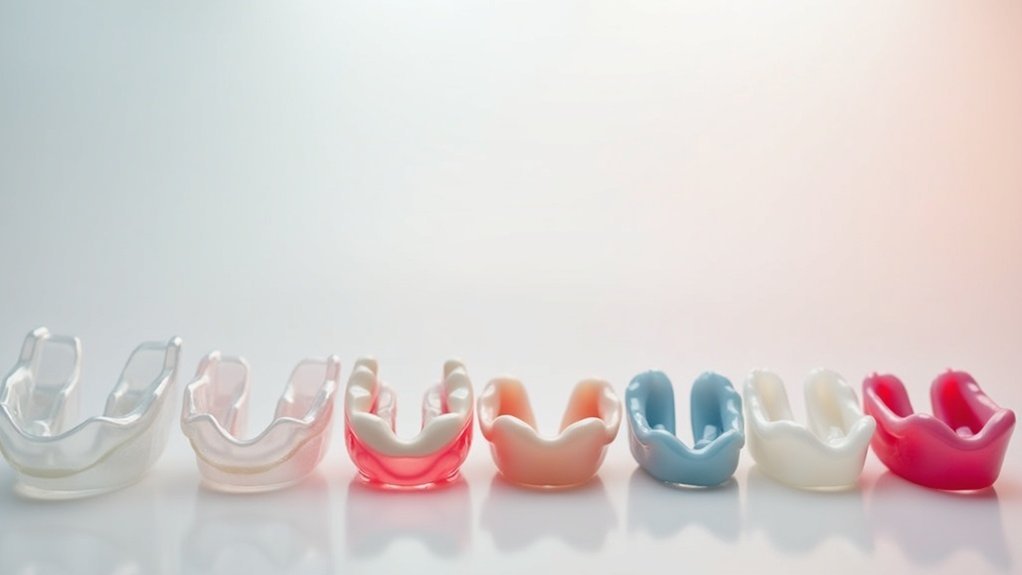
If you grind your teeth, consider customized mouthguards to protect your teeth and gums.
Regular dental check-ups are essential for monitoring your shifting teeth and gum health, allowing for timely interventions.