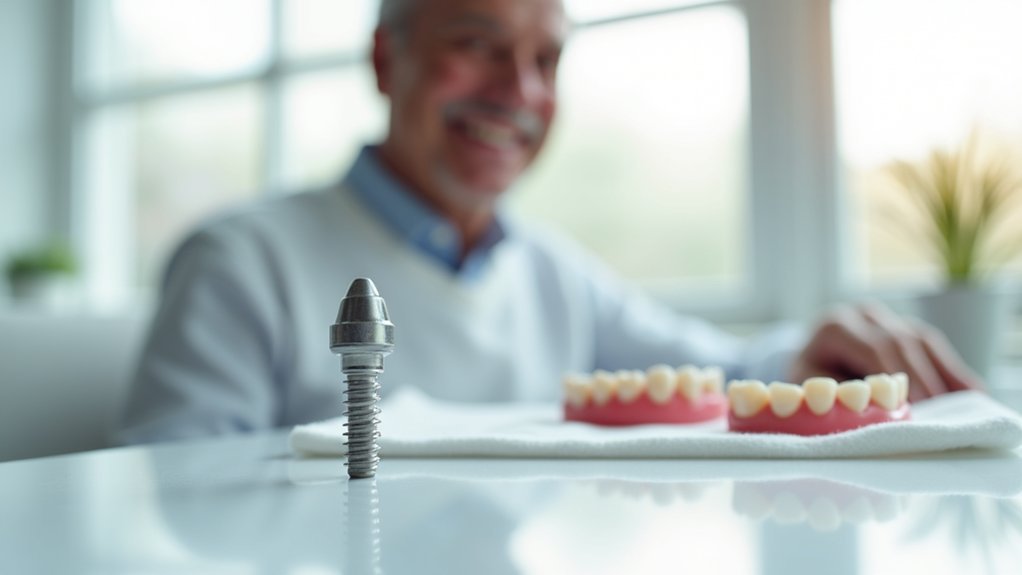

Yes, you can shift from dentures to dental implants. Dental implants provide a more stable and permanent solution for missing teeth, improving your comfort and oral health. If you’re considering this switch, it’s essential to assess your jawbone density and overall dental health first. Bone grafting may be necessary if there’s significant bone loss. To understand the procedure and benefits of implants further, explore how they can enhance your quality of life.
Key Takeaways
- Yes, transitioning from dentures to dental implants is common and often recommended for improved comfort and stability.
- Candidates need sufficient bone density; bone grafting may be required if significant shrinkage has occurred.
- Healthy gums and good oral hygiene are essential for successful implant placement after wearing dentures.
- The implant procedure involves inserting titanium posts into the jawbone, replacing the need for dentures.
- Implants provide a permanent, secure solution that enhances oral function and prevents further bone loss.
What Are Dentures?
Dentures are vital dental prosthetics that replace missing or damaged teeth, providing both function and aesthetics.
They come in two main types: complete dentures for those with most or all natural teeth lost, and partial dentures that fill gaps where some natural teeth remain.
These devices help maintain oral health and function while preventing further bone loss.
Temporary or immediate dentures can be used during healing before permanent options are fitted.
It’s important to replace dentures every five years due to wear and changes in your mouth, ensuring best fit and function for your overall well-being.
What Are Dental Implants?
Dental implants represent a revolutionary advancement in restorative dentistry, offering a permanent solution for individuals with missing teeth. These titanium screws are surgically inserted into your jawbone, serving as artificial tooth roots. They function like natural teeth, allowing seamless eating and speaking without the discomfort of dentures.
| Feature | Benefit |
|---|---|
| Secure Anchoring | Eliminates movement during activities |
| Aesthetic Appeal | Looks and feels like natural teeth |
| Bone Density Maintenance | Prevents further bone loss |
Your tooth replacement journey with dental implants can greatly enhance your quality of life.
Why Switch From Dentures to Implants?
Switching from dentures to implants can greatly enhance your oral health and overall quality of life.
Implants offer improved comfort and stability, allowing you to enjoy meals without the worry of slipping or discomfort.
Additionally, they help maintain jawbone density, preventing further deterioration and preserving your facial structure.
Improved Oral Health
When considering options for tooth replacement, many find that shifting to implants offers significant advantages for oral health.
Dental implants stimulate the jawbone, preventing deterioration associated with missing tooth roots, unlike dentures. This stimulation helps maintain bone density, and if needed, a bone graft can enhance the implant foundation.
Implants also improve chewing efficiency, allowing for a more nutritious diet while promoting good oral hygiene. Unlike dentures, which require replacement every five years, implants can last decades with proper care.
Ultimately, dental implants enhance satisfaction and overall facial aesthetics, addressing common concerns faced by denture wearers.
Enhanced Comfort and Stability
If you’ve ever experienced discomfort or instability with dentures, consider the benefits of dental implants for a more secure and comfortable solution.
Dental implants are anchored directly into your jawbone, providing enhanced stability that eliminates the slipping and irritation often associated with dentures. Unlike dentures, implants mimic the feel and function of natural teeth, allowing you to eat and speak with confidence.
They also stimulate your jawbone, preventing bone loss and maintaining your facial structure. Many patients report a significant boost in comfort levels, enjoying a reliable and permanent alternative that improves overall quality of life compared to traditional dentures.
How Do Dental Implants Improve Your Oral Health?
Dental implants greatly enhance your oral health by providing essential stimulation to the jawbone, which is crucial for maintaining its structure and preventing bone resorption that often follows tooth loss. They mimic natural teeth roots, preserving alveolar bone and reducing the risk of facial collapse. Additionally, implants improve chewing efficiency, leading to better nutrition. They also prevent adjacent teeth from shifting, maintaining alignment and reducing further dental issues. With proper care, implants can last a lifetime, contributing to long-term oral health.
| Benefit | Description |
|---|---|
| Jawbone Stimulation | Prevents bone resorption and maintains structure |
| Chewing Efficiency | Enhances nutrition through better food intake |
| Alignment Preservation | Prevents shifting of adjacent teeth |
| Longevity | Can last a lifetime with proper maintenance |
Am I a Good Candidate for Dental Implants?
To determine if you’re a good candidate for dental implants, you’ll need to take into account several factors, including bone density, oral health, and lifestyle choices.
Sufficient bone density is vital for supporting the implants, while healthy gums and good oral hygiene enhance the chances of success.
Additionally, your habits, such as smoking or teeth grinding, can influence your eligibility for this procedure.
Bone Density Requirements
Since sufficient bone density is crucial for the successful placement of dental implants, evaluating your candidacy involves a careful examination of your oral health.
If you’ve worn dentures for an extended period, you may have experienced bone density loss. Here are key considerations for your eligibility:
- A thorough assessment of your jawbone structure is essential.
- Non-smokers and those without bruxism often have better outcomes.
- Advanced techniques, like All-on-4 implants, can help accommodate some bone loss.
Understanding these factors will help you determine if you’re ready to switch from dentures to dental implants effectively.
Oral Health Considerations
When considering a shift from dentures to dental implants, it’s vital to evaluate your overall oral health.
Good candidates typically have sufficient bone density to support implants, as prolonged denture use may lead to bone loss.
Healthy gums are important; any gum disease must be addressed before proceeding.
Additionally, your oral health, including the absence of conditions like bruxism and commitment to good hygiene practices, greatly influences your candidacy for dental implants.
Age isn’t a barrier, but being a non-smoker increases your chances, as smoking can hinder healing and raise the risk of implant failure.
Lifestyle Factors Affecting Eligibility
Evaluating your lifestyle factors is an important step in determining your candidacy for dental implants after using dentures.
Key aspects include:
- Bone density: Sufficient density is essential for implant support.
- Healthy gums: Gum disease can hinder healing and integration.
- Oral health habits: Good hygiene practices enhance implant longevity.
Non-smokers and individuals without bruxism are generally more eligible, as these issues can affect healing.
Remember, age isn’t a significant barrier, but your overall health plays a significant role in your eligibility for dental implants.
Prioritize these factors to improve your chances of a successful change from dentures.
Is Bone Grafting Needed?
How essential is bone grafting when shifting from dentures to dental implants?
If you’ve experienced significant jawbone shrinkage due to the absence of tooth roots, bone grafting may be necessary. Insufficient bone density can jeopardize the implant procedure, leading to potential implant failure.
Grafting involves adding bone material from another area or synthetic sources to restore support for dental implants. While the healing period typically lasts a few months, it’s vital for ensuring long-term success.
However, options like All-on-4 dental implants can minimize the need for extensive bone grafting by using angled implants in areas with less bone density.
What’s the Process Like?
As you shift from dentures to dental implants, understanding the process is vital for attaining a successful outcome. Here’s what to expect:
- Initial Assessment: Your dentist evaluates bone density and oral health, determining if bone grafting is necessary.
- Implant Surgery: Titanium posts are surgically inserted into your jawbone, acting as artificial roots.
- Healing Period: A few months are required for the implants to fuse with the jawbone, guaranteeing stability.
After healing, an abutment is attached to each implant, providing a secure foundation for your new teeth.
This systematic approach guarantees ideal results and functionality in your dental restoration journey.
The Benefits of Dental Implants
When considering a shift from dentures, you’ll find that dental implants offer numerous benefits that greatly enhance both functionality and quality of life.
These implants provide a secure, stable solution for missing teeth, eliminating the discomfort associated with dentures. By mimicking natural tooth roots, they stimulate jawbone health, preventing deterioration and supporting the implants effectively.
Unlike dentures, which often require replacement, dental implants serve as a permanent solution, lasting many years with proper care. They also allow for comfortable eating and speaking, enhancing your ability to enjoy a wider variety of foods while improving overall satisfaction and appearance.