
Bone grafts aren’t usually necessary after wisdom teeth removal, especially if your jawbone structure is healthy. Most patients heal adequately without grafting, as the surrounding bone supports recovery. However, if there’s significant bone loss due to issues like gum disease or if the extraction site is close to adjacent teeth, grafting might be needed. It’s important to consult your dentist for a thorough assessment and discuss your individual needs for ideal healing and future dental work.
Key Takeaways
- Bone grafting may be necessary after wisdom teeth removal if there is significant bone loss or if the teeth are impacted and close to adjacent molars.
- Healthy jawbone structures typically heal without grafting, especially if no implants are planned after extraction.
- A thorough dental assessment determines the need for grafting based on individual conditions like gum disease or infection.
- Post-operative care is essential for healing, including maintaining cleanliness and following dietary recommendations.
- Long-term benefits of grafting include enhanced stability for future dental work and improved overall oral health.
What Is a Bone Graft?
When you undergo wisdom teeth removal, a bone graft may be necessary to guarantee proper healing and structural support.
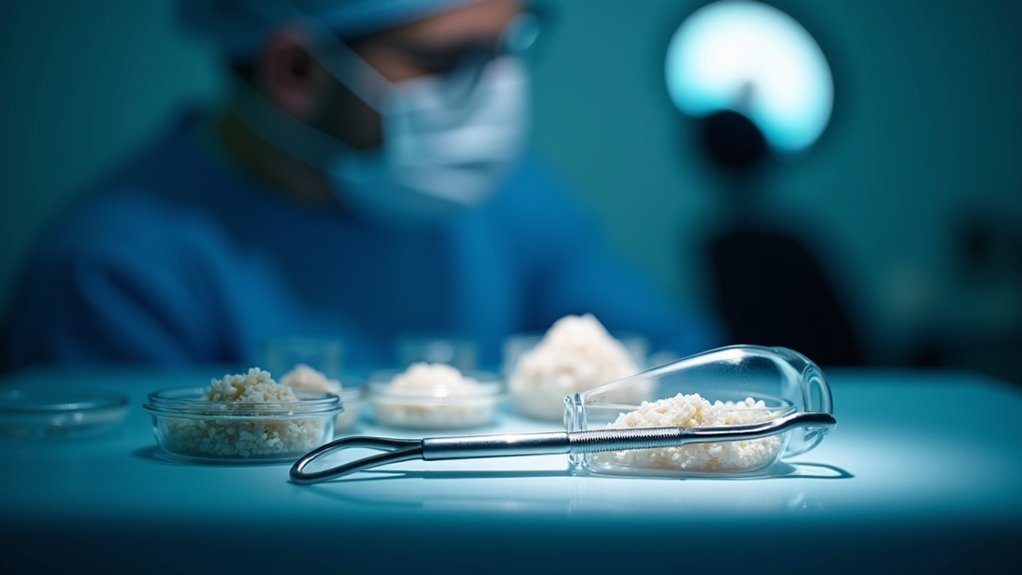
Bone grafting involves transplanting bone or bone-like material into your jawbone, particularly after wisdom teeth extraction. The bone graft material can come from your own body, a donor, animal sources, or be synthetic.
This procedure is crucial, especially when dealing with impacted wisdom teeth, as significant bone loss can occur.
The healing process typically spans four to six months, during which osseointegration occurs, allowing the graft to fuse with existing bone, ensuring a stable foundation for future dental procedures.
Why Is Bone Grafting Often Unnecessary After Wisdom Tooth Removal?
Although bone grafting can be essential in certain dental procedures, it’s often unnecessary after wisdom tooth removal for many patients. Most of you have healthy jawbone structures that can heal adequately without additional interventions. The stable foundation from surrounding bone areas typically supports healing, reducing the risk of significant bone loss. If you’re not planning to replace the extracted tooth with an implant, you likely won’t need a graft. Recommendations for bone grafting generally arise from specific conditions, such as gum disease, which aren’t common for all undergoing wisdom tooth removal.
| Factor | Importance |
|---|---|
| Healthy Jawbone Structures | Supports natural healing |
| Stable Foundation | Minimizes complications |
| Specific Conditions | Determines need for grafting |
When Would You Need Bone Grafting After Wisdom Tooth Removal?
Bone grafting becomes necessary after wisdom tooth removal primarily when there’s significant bone loss due to factors like gum disease, cysts, or infections in the extraction area.
If you’ve had impacted wisdom teeth close to adjacent molars, grafting helps maintain bone integrity and prevent complications.
Additionally, if you’re at risk for periodontal defects from bone loss near the extraction site, grafting is often recommended.
A thorough assessment by your dentist is essential, as only patients with significant bone loss or complicating factors typically require bone grafting after wisdom tooth extraction.
Healing usually takes four to six months for ideal oral health.
Should You Be Worried About Bone Grafting After Wisdom Tooth Removal?
Are you concerned about the need for bone grafting after wisdom tooth removal? Most patients with healthy jaws and no significant bone loss won’t need a bone graft.
However, if you’ve experienced bone loss due to gum disease or have an impacted tooth near adjacent teeth, your dentist may recommend a graft. This procedure is minimally invasive and typically painless, often using synthetic materials or donor bone.
Healing time is brief, and discomfort is manageable with prescribed medications. Always consult your dentist for a personalized assessment to determine if you need a bone graft based on your oral hygiene and health conditions.
Care and Healing During Bone Graft Recovery
Proper care during your recovery from a bone graft after wisdom teeth removal is vital for perfect healing and integration of the graft.
Keep the area clean to prevent infections, and avoid chewing on the extraction side for several days. Stick to a diet of soft foods for the first couple of days to minimize irritation.
Warm salt water rinses can promote healing and reduce inflammation, while anti-inflammatory medications can alleviate discomfort.
Don’t forget to attend follow-up appointments to monitor the healing process and make sure your dental health remains ideal throughout this significant recovery phase.
The Importance of Bone Grafting
After wisdom teeth removal, bone grafting plays a crucial role in preserving your jawbone’s integrity.
This procedure not only supports healing but also sets a stable foundation for any future dental work you may need.
Additionally, it helps prevent complications like further bone loss or periodontal issues, ensuring a healthier recovery.
Preserving Jawbone Integrity
When wisdom teeth are removed, bone grafting is vital for maintaining the integrity of your jawbone, especially if significant bone loss has occurred due to impacted teeth or surrounding cysts.
This procedure helps prevent future complications like tooth loss and periodontal disease in nearby teeth.
- Protects your jaw’s structure
- Enhances recovery speed
- Reduces risk of future dental issues
- Supports stability for dental implants
- Guarantees long-term oral health
Investing in a bone graft after wisdom teeth removal is essential for preserving jawbone integrity, ultimately supporting your overall dental well-being and future oral health.
Supporting Future Dental Procedures
Since maintaining a healthy jawbone is essential for future dental procedures, bone grafting plays an important role in ensuring that your mouth can support implants and other treatments effectively. Bone grafting after wisdom teeth removal preserves jawbone density, particularly when impacted teeth have caused significant loss. This graft creates a stable foundation for dental implants, enhancing their longevity. The healing process typically spans four to six months, allowing integration with existing bone. Oral surgeons often utilize advanced grafting materials to rebuild bone safely, minimizing invasiveness.
| Benefit | Description | Importance |
|---|---|---|
| Jawbone Density | Maintains structural integrity | Supports future dental work |
| Implant Stability | Provides a solid foundation | Enhances longevity of implants |
| Reduced Invasiveness | Advanced grafting materials used | Safer, less painful procedures |
| Healing Time | 4 to 6 months for integration | Essential for successful outcomes |
| Addresses Pathologies | Compensates for issues like gum disease | Promotes overall oral health |
Preventing Complications Post-Extraction
Bone grafting plays a pivotal role in preventing complications following wisdom teeth extraction.
This procedure is essential for maintaining jawbone integrity and avoiding issues like bone loss and damage to neighboring teeth.
- Protects your jaw from future infections
- Preserves the health of adjacent molars
- Supports faster healing and osseointegration
- Reduces the risk of periodontal defects
- Lays a foundation for potential dental implants
Expert Advice on Bone Grafting and Wisdom Teeth Removal
When considering wisdom teeth removal, you should assess the necessity of bone grafting based on factors like your oral health and bone condition.
There are various types of bone grafts available, each suited for different situations.
Understanding the recovery process after grafting will also help you prepare for what to expect in your healing journey.
Bone Graft Necessity Factors
Understanding whether you need a bone graft after wisdom teeth removal depends on several key factors related to your oral health.
You might require bone grafting if you have:
- Gum disease that jeopardizes surrounding teeth
- Cysts that can affect jaw integrity
- Significant bone loss around the extracted tooth
- Future plans for dental implants
- Complications during the extraction process
Your dentist will assess your individual situation to determine the necessity for grafting.
This procedure can enhance recovery, ensuring a stable foundation for future dental work and maintaining overall oral health.
Prioritize your healing by following care instructions diligently.
Types of Bone Grafts
After determining the necessity for a bone graft following wisdom teeth removal, it’s important to explore the different types available.
You can choose from autografts, which use your bone for ideal compatibility and healing, making them the gold standard.
Allografts, sourced from donors, minimize disease transmission and serve as a solid alternative.
Xenografts, typically derived from bovine tissue, act as scaffolds for new bone growth, while alloplasts consist of synthetic materials that mimic natural bone properties.
Each type of bone grafting has unique benefits, helping guarantee successful recovery and integration after your wisdom teeth extraction.
Recovery After Grafting
Recovery following bone grafting for wisdom teeth removal is essential for ensuring the graft integrates effectively into your jawbone. You should prioritize post-operative care to promote a successful healing process.
- Follow your dentist’s instructions meticulously.
- Keep the graft area clean to prevent infection.
- Consume soft foods and avoid chewing on the extraction side.
- Use warm salt water rinses and anti-inflammatory medications for comfort.
- Attend all follow-up appointments to monitor integration.
With proper care, you can enhance the graft’s stability, paving the way for future dental procedures and improving your overall oral health.