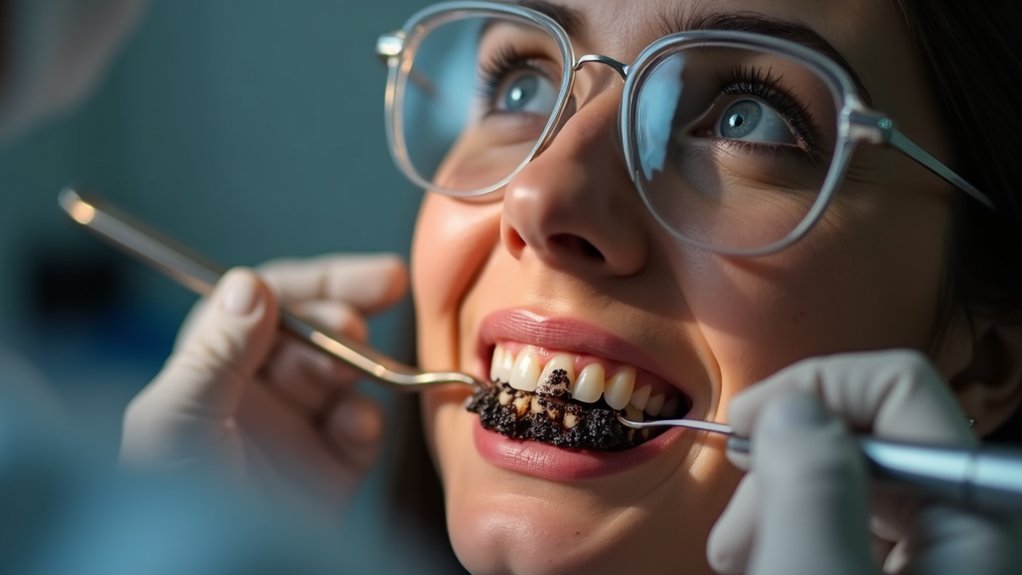

Yes, kidney disease can cause teeth problems. It weakens your immune system, increasing your risk of gum disease and cavities. Additionally, dry mouth makes it harder to maintain oral health, leading to a higher chance of decay. Chronic inflammation linked to kidney health can also exacerbate these dental issues. Regular dental check-ups are essential for preventing complications. Discover more about how you can manage your oral health effectively with kidney disease.
Key Takeaways
- Chronic kidney disease (CKD) increases the risk of gum disease due to a weakened immune system.
- Dry mouth, common in kidney patients, heightens the chance of cavities and tooth decay.
- Periodontal disease can lead to serious complications affecting both oral and kidney health.
- Chronic inflammation linked to kidney disease worsens overall oral health and gum conditions.
- Regular dental check-ups are essential for early detection and management of dental issues in kidney patients.
The Impact of Kidney Disease on Oral Health
When you have chronic kidney disease (CKD), your oral health can take a significant hit. The compromised immune system and reduced saliva production increase your risk of gum disease and cavities.
Dry mouth can lead to discomfort and elevate the chances of developing periodontal disease, which may further impact kidney function. Studies show that even a slight increase in gum inflammation can correlate with reduced kidney health.
To combat these issues, regular dental check-ups and diligent oral hygiene practices are essential. Taking proactive steps can help maintain your oral health and support your overall well-being while managing kidney disease.
Common Dental Issues Faced by Kidney Patients
If you have kidney disease, you’re at a higher risk for gum disease due to a weakened immune system.
Dry mouth can make matters worse, increasing your chances of cavities and gum issues from reduced saliva.
Understanding these common dental problems is essential for managing your overall health.
Gum Disease Risk
Kidney disease greatly heightens your risk of developing gum disease due to chronic inflammation and a weakened immune system. Patients with chronic kidney disease (CKD) often face increased oral health problems, including periodontal disease. This condition can lead to serious complications, as bacteria from infected gums may enter the bloodstream.
| Risk Factor | Impact on Gum Disease | Connection to Kidney Disease |
|---|---|---|
| Chronic Inflammation | Exacerbates gum issues | Direct correlation with CKD |
| Dry Mouth | Promotes plaque buildup | Common in kidney disease |
| Weakened Immunity | Heightens infection risk | Particularly in dialysis |
Prioritizing dental care is essential for kidney patients.
Dry Mouth Effects
Many people with chronic kidney disease experience dry mouth, which can lead to various dental issues.
A decrease in saliva production can result in:
- Increased tooth decay due to higher plaque accumulation.
- Greater risk of gum disease, as dry mouth weakens your immune response.
- Difficulty chewing, impacting your nutritional intake.
- Discomfort in oral health, leading to potential inflammation.
The Role of Dry Mouth in Dental Problems
While dry mouth, or xerostomia, might seem like a minor annoyance, it can considerably impact your dental health, especially if you have kidney disease.
Reduced saliva production increases your risk of tooth decay and gum disease. Saliva is essential for neutralizing acids and washing away food particles; without it, your mouth becomes more vulnerable to bacteria and plaque.
Reduced saliva production raises the risk of tooth decay and gum disease, making your mouth more susceptible to harmful bacteria and plaque.
This can lead to discomfort, chewing difficulties, and a higher chance of cavities and infections.
Managing dry mouth through proper hydration, saliva substitutes, and strict oral hygiene practices is vital for preventing dental problems and maintaining your overall health.
Inflammation and Its Connection to Gum Disease
Chronic inflammation can greatly impact your gum health and overall immune response.
When your gums are inflamed, they not only weaken your oral defenses but can also lead to further complications, including kidney issues.
Understanding this connection is essential for managing both your oral and kidney health effectively.
Chronic Inflammation Effects
When inflammation persists in your body, it can greatly impact your oral health, particularly leading to gum disease.
Chronic inflammation, often linked to kidney disease, exacerbates periodontal disease and poses risks to your kidney function.
Consider the following effects:
- Increased inflammatory markers damage oral tissues.
- Gum disease allows harmful bacteria into your bloodstream.
- A 10% rise in gum inflammation can lead to a 3% decline in kidney function.
- Systemic inflammation from periodontal disease adversely affects kidney health.
Maintaining good oral hygiene is essential to mitigate these risks and support both your gum and kidney health.
Immune Response Impairment
Persistent inflammation not only impacts your kidneys but also weakens your immune response, making you more vulnerable to gum disease. Chronic kidney disease (CKD) heightens inflammation, compromising your oral health. This can lead to severe gum disease, creating pathways for bacteria to enter your bloodstream and potentially causing systemic infections that jeopardize kidney function. Understanding this connection can empower you to prioritize both kidney and oral health.
| Impact of CKD on Oral Health | Immune System Effects | Infections Risk |
|---|---|---|
| Increased inflammation | Weakened defenses | Higher susceptibility |
| Exacerbated gum disease | Impaired response | Systemic infections |
| Tooth loss risk | Chronic conditions | Health deterioration |
| Bacterial entry | Inflammation spread | Kidney function decline |
| Oral pain | Compromised healing | Overall health issues |
How Kidney Function Affects Dental Hygiene
Kidney function greatly impacts dental hygiene, as reduced kidney efficiency can lead to dry mouth, which increases the risk of tooth decay and gum disease.
Here are key factors to take into account:
- Dry mouth reduces saliva, important for oral health.
- Increased susceptibility to periodontal disease can worsen kidney function.
- Infections from dental issues may enter your bloodstream, risking your immune system.
- Coordination between medical and dental care is critical, especially for dental procedures needing antibiotic prophylaxis.
Maintaining strong oral hygiene is fundamental for managing kidney disease and preventing further health complications.
Regular care is your best defense!
Importance of Regular Dental Check-ups
Maintaining oral health is vital, especially for those managing kidney disease. Regular dental check-ups help detect issues early, preventing complications that could worsen your kidney health. These check-ups are particularly important for kidney transplant candidates, as dental infections may delay approval. Aim for at least two visits per year, ideally scheduling them on non-dialysis days. Strong communication between your nephrologist and dentist guarantees thorough care tailored to your needs.
| Benefits of Regular Check-ups | Importance for Kidney Patients |
|---|---|
| Early detection of issues | Prevents complications |
| Monitors overall oral health | Reduces risk of dental infections |
| Enhances communication | Supports treatment plans |
Managing Dental Health for Dialysis Patients
If you’re on dialysis, managing your dental health is essential due to the increased risk of cavities and gum disease.
Follow these key steps for effective dental care:
- Schedule dental appointments on non-dialysis days to minimize complications.
- Keep up with regular check-ups at least twice a year to monitor your oral health.
- Practice good oral hygiene by brushing with fluoridated toothpaste and flossing daily.
- Discuss the need for antibiotic prophylaxis with your dentist before any procedures.
Tips for Maintaining Oral Hygiene With Kidney Disease
Oral hygiene plays an essential role for individuals living with kidney disease, especially given the heightened risk of dental issues.
Brush your teeth twice daily with a soft-bristle brush and fluoridated toothpaste to combat tooth decay. Floss once a day to keep interdental areas clean and prevent gum disease, which can worsen kidney health.
Stay hydrated to alleviate dry mouth, a common symptom that increases cavity risk. Schedule dental check-ups at least twice a year for early detection of problems.
Always inform your dentist about your kidney condition and medications to guarantee safe, effective dental care tailored to your needs.