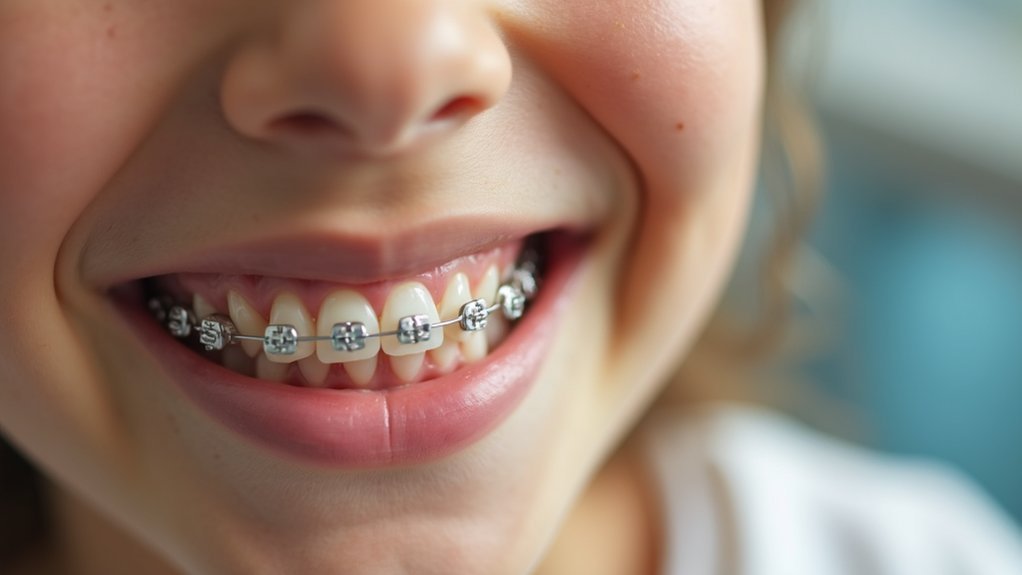

After braces removal, your teeth may feel loose for a few weeks to several months as they adjust to their new positions. This slight mobility is normal and occurs while the surrounding bone and ligaments stabilize. Factors like the severity of your initial misalignment can influence the duration. If you experience excessive looseness or discomfort, consult your orthodontist for guidance. Understanding this process can help you feel more at ease with your smile’s journey.
Key Takeaways
- Teeth may feel loose for a few weeks to months after braces removal as they adjust to new positions.
- The duration of looseness depends on initial misalignment severity and individual healing rates.
- Retainers are crucial for stabilizing teeth and should be worn as instructed to minimize movement.
- Regular check-ups with an orthodontist help monitor tooth stability and address any concerns.
- Mild tooth mobility is normal; consult an orthodontist if experiencing excessive looseness or pain.
Understanding Teeth Movement After Braces
When you get your braces removed, it’s common to notice that your teeth may feel loose for a period of time. This mild mobility occurs as the surrounding bone and ligaments adjust to your newly aligned teeth.
The severity of your initial misalignment can influence how long this adjustment lasts. Typically, teeth stabilization can take up to four months.
To prevent your teeth from shifting back after braces, consistent retainer wear is essential. If you experience excessive looseness or pain, consult your orthodontist for professional evaluation and guidance to guarantee your orthodontic treatment’s success.
Why Do My Teeth Feel Loose After Braces?
Although you might feel uneasy about the looseness of your teeth after braces, this sensation is a normal response as your teeth adjust to their new positions. The gentle pressure from braces causes surrounding bone and ligaments to adapt, resulting in loose teeth during this pivotal phase.
Typically, your teeth might feel wiggly for a few weeks to months as they settle into alignment. To support their stability, maintain good oral hygiene.
It’s essential to monitor any excessive looseness. If discomfort persists or you have concerns about tooth mobility, don’t hesitate to consult your orthodontist for guidance.
How Long Will My Teeth Feel Loose After Braces?
After your braces come off, it’s normal for your teeth to feel loose as they adapt to their new positions.
The duration of this sensation can vary based on factors like the initial misalignment and your body’s healing rate.
Understanding these aspects will help you manage your expectations during the stabilization period.
Normal Post-Braces Sensation
It’s not uncommon for your teeth to feel loose shortly after braces are removed, as this sensation is a natural part of the adjustment process.
This normal feeling usually subsides within a few weeks to a few months as the surrounding bone stabilizes.
Factors like the severity of your initial misalignment and personal healing rates can affect how long your teeth feel loose.
Maintaining good oral hygiene supports healthy bone and gum tissue, aiding stabilization.
While mild tooth mobility is expected, consult your orthodontist if you experience excessive looseness or persistent discomfort during the initial months post-braces.
Factors Affecting Tooth Stability
Understanding the factors that affect tooth stability after braces is essential for managing your expectations during the adjustment period.
After removal, your teeth may feel loose due to the flexible ligaments that hold them, leading to temporary mobility. If you don’t wear your retainers consistently, teeth can shift back, prolonging this sensation.
Individual healing rates and the initial severity of misalignment also play roles in how long your teeth feel loose, which can last from weeks to months.
If tooth mobility persists for several months or causes pain, consulting your orthodontist can address any underlying issues and answer common questions.
Signs of Normal Looseness vs. Excessive Looseness
While some degree of looseness in your teeth is expected after braces removal, distinguishing between normal and excessive looseness is essential for your dental health.
It’s normal for your teeth to move slightly as they settle. However, if you notice any of the following signs, consult a dentist:
- A front tooth feels excessively loose compared to others
- Looseness persists for several months
- Accompanying pain or discomfort with movement
- Difficulty eating or speaking due to tooth movement
Regular orthodontic check-ups can help monitor stability and address any signs of excessive looseness effectively.
Regular orthodontic visits are essential for ensuring your teeth remain stable post-braces.
Prioritize your oral health and seek professional advice when needed.
The Role of Retainers in Stabilizing Teeth
After your braces come off, wearing retainers is essential to keep your teeth from shifting back to their original positions.
You’ll find that there are two main types of retainers—removable and fixed—each designed to maintain your teeth’s alignment effectively.
Regular follow-ups with your orthodontist will help monitor your teeth’s stability and guarantee your retainer is doing its job.
Importance of Retainer Wear
Retainers play an essential role in stabilizing your teeth after braces, ensuring they remain in their newly aligned positions.
Wearing retainers is important for maintaining your treatment plan and keeping your teeth in place as the surrounding bone and ligaments adjust. If you don’t wear them as directed, your teeth may shift back to their original position.
- Continuous wear is critical, especially in the early months.
- Removable retainers are generally recommended for full-time use initially.
- Shift to night wear as teeth stabilize.
- Regular orthodontic check-ups help monitor retainer effectiveness.
Types of Retainers
Wearing retainers is an essential step in maintaining the results achieved through braces.
There are two main types: removable retainers and fixed retainers. Removable retainers, like wire retainers and aligner trays, are effective but require you to wear them diligently, especially during the initial months. As you progress to night use, consistency is key.
On the other hand, fixed retainers are permanently attached to the back of your teeth, ensuring continuous support without the need for daily management.
Both options stabilize your teeth after braces, preventing them from shifting back to their original alignment. Choose the one that suits your needs best.
Monitoring Tooth Movement
While your teeth are settling into their new positions post-braces, monitoring their movement is essential. Retainers play an important role in stabilizing your teeth, preventing significant shifting during this adjustment period.
To guarantee your teeth remain aligned, consider these key points:
- Wear your retainers as prescribed, moving from full-time use to nighttime.
- Recognize that teeth have a “memory,” so consistent use is critical.
- Schedule regular orthodontic check-ups to assess retainer effectiveness.
- If you notice excessive looseness or shifting, consult your orthodontist immediately for evaluation and adjustments.
Your diligent care can help maintain your beautiful smile.
When to Consult Your Orthodontist
Monitoring your teeth’s stability after braces removal is essential for ensuring long-term oral health.
If you notice a tooth feels excessively loose compared to others, it’s time to consult your orthodontist for an assessment. Persistent looseness lasting several months, especially with pain or discomfort, also warrants a visit.
Regular check-ups can help monitor tooth mobility and address any concerns early. Remember, some mobility is expected, but significant changes should be discussed.
Open communication is key, so don’t hesitate to reach out to your orthodontist if you notice anything unusual. Your proactive approach can safeguard your dental health.
Managing Discomfort and Sensitivity Post-Treatment
After your braces come off, it’s normal to experience some mild discomfort and sensitivity as your teeth settle into their new positions. This typically resolves within a week.
Here are some tips to manage your post-treatment discomfort:
- Rinse with warm saltwater to alleviate soreness and promote healing.
- Take over-the-counter pain relievers like Tylenol or Ibuprofen if needed.
- Use a soft bristle toothbrush and desensitizing toothpaste to maintain oral hygiene.
- Monitor any persistent discomfort and consult your orthodontist if necessary.
Using retainers as directed will also help guarantee your teeth stay in place during this adjustment period.
Maintaining Your Smile After Braces Removal
Maintaining your smile after braces removal is essential for ensuring your teeth remain in their new positions.
You’ll likely feel some looseness as your teeth stabilize, which is normal. To prevent shifting, wear your retainers consistently, starting full-time and evolving to nighttime as advised by your orthodontists.
Regular check-ups are vital for monitoring the stability of your teeth and the effectiveness of your retainers. Understanding that slight movement can occur helps ease anxiety and reinforces the importance of following post-treatment care instructions.
With diligence, you can enjoy a lasting, confident smile.