
After wisdom teeth removal, managing saliva is important for your recovery. Expect increased saliva production, and swallow it instead of spitting, as this helps maintain blood clots and reduces the risk of complications. Avoid using straws and follow your dentist’s post-operative instructions. If you experience excessive drooling, a bad taste, or if your saliva becomes thick and painful, consult your dentist promptly. To guarantee a smooth healing process, there are additional tips and considerations to keep in mind.
Key Takeaways
- Swallow saliva instead of spitting to maintain blood clots and promote healing after wisdom teeth removal.
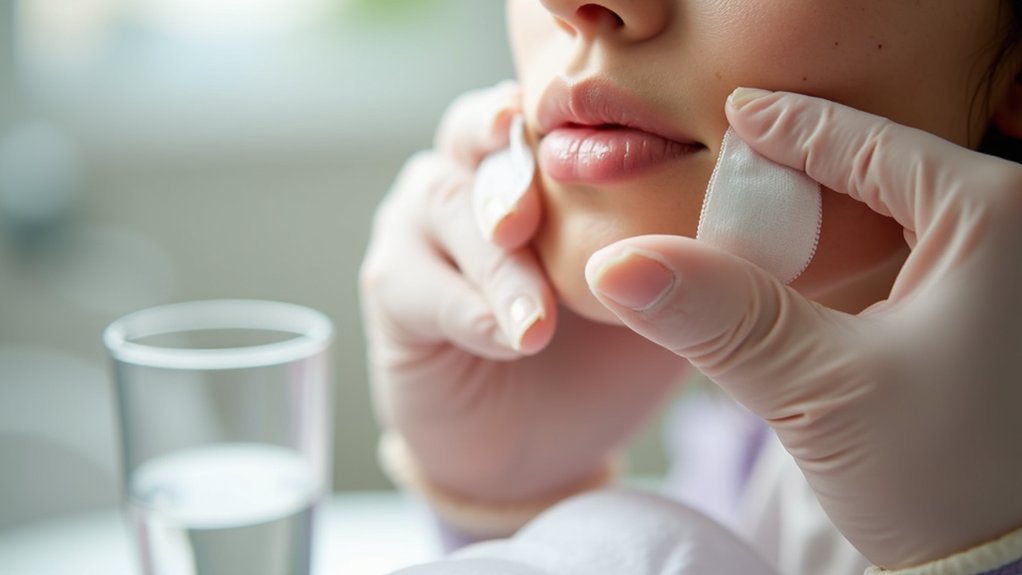
- Keep gauze pads in place as directed by your dentist to manage excess saliva.
- Allow saliva to drool out gently if numbness from anesthetics affects control.
- Avoid using straws to prevent negative pressure that can disrupt healing.
- Consult your dentist if you experience persistent thick saliva or unusual symptoms.
Understanding the Role of Saliva in Recovery
Saliva plays an essential role in your recovery after wisdom teeth removal. It aids the healing process by cleaning the mouth and reducing the risk of infection at the extraction site.
While you may experience excessive drooling due to local anesthetics, this is normal and necessary. Swallowing saliva instead of spitting helps maintain the blood clot, which promotes healing.
During post-operative care, keep gauze pads in place and monitor the thickness of your saliva; persistent thick saliva could indicate complications requiring dental attention.
Proper management of saliva is vital for a smooth recovery and minimizing post-operative issues.
Managing Excess Saliva After Extraction
While it’s common to experience increased saliva production after wisdom teeth removal, managing this excess is essential for a smooth recovery.
Experiencing increased saliva after wisdom teeth removal is normal; managing it is crucial for a smooth recovery.
Follow these steps to effectively handle saliva post-extraction:
- Keep gauze pads in place as directed by your dentist.
- Swallow saliva instead of spitting to avoid disrupting the healing process.
- Be aware that local anesthetics may cause temporary numbness, affecting saliva control.
- If excessive or thick saliva persists beyond the initial recovery period, consult your dental professional for further evaluation.
These actions promote oral hygiene and support your healing journey after the extraction.
Safe Practices for Swallowing Saliva
After wisdom teeth removal, you can safely swallow saliva to aid in your recovery and maintain oral hygiene. Excess saliva production is common due to your body’s healing response. Swallowing normally helps manage this without disturbing the blood clot at the extraction site.
It’s essential to avoid spitting or using straws, as these actions create negative pressure that can dislodge clots and hinder healing. If you experience pooling due to local anesthetic numbness, let saliva drool out gently.
Always follow your dentist’s post-operative instructions to guarantee a smooth recovery and minimize complications such as dry socket.
Common Concerns About Saliva Post-Surgery
Increased saliva production is a common concern for many patients following wisdom teeth removal. This response aids in healing but can lead to discomfort.
Increased saliva production after wisdom teeth removal supports healing but may cause discomfort for patients.
Here are some key points to take into account:
- Swallowing saliva is safe and supports oral hygiene without disturbing the blood clot at the surgical site.
- Local anesthetics may cause excessive drooling, making saliva control difficult.
- Avoid spitting and using straws, as they can dislodge the blood clot, hindering healing.
- Monitor for unusual symptoms, like persistent thick saliva or signs of infection, and consult your dentist if needed.
When to Consult Your Dentist
Recognizing when to consult your dentist is crucial for a smooth recovery after wisdom teeth removal. If you experience excessive drooling beyond a few days, it’s important to rule out complications like hypersalivation or infection.
A bad taste in your mouth or worsening swelling can indicate an underlying issue that requires dental attention. If thick saliva persists with increased pain at the surgical site, contact your dentist.
Difficulty swallowing saliva, excessive bleeding, or unusual symptoms like changes in saliva consistency should prompt immediate dental consultation to guarantee proper care and timely intervention. Your health and comfort are paramount during recovery.