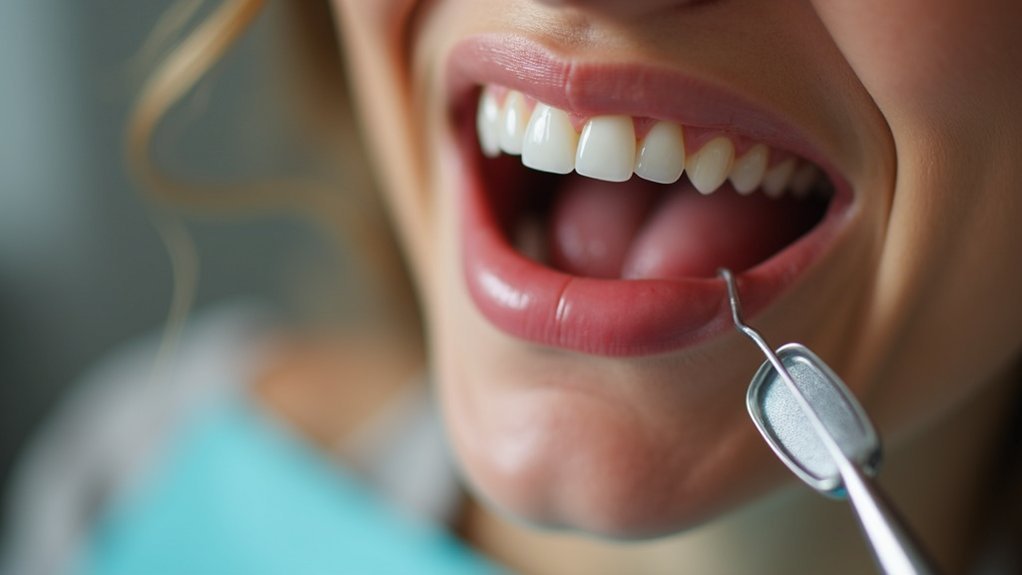

Yes, it’s normal for your teeth to feel sensitive after a dental cleaning. This sensitivity occurs because plaque and tartar removal can expose nerve endings in your teeth. You might also experience discomfort if your gums are inflamed or due to more aggressive cleaning techniques. Typically, this sensitivity lasts a few hours to a week. If it persists or worsens, you should consult your dentist for guidance on managing your symptoms and maintaining your oral health.
Key Takeaways
- It is common for teeth to experience sensitivity after dental cleaning due to exposed root surfaces and irritated nerve endings.
- Sensitivity typically lasts a few hours to a week, depending on individual circumstances and cleaning extent.
- Aggressive cleaning techniques and existing dental issues can exacerbate sensitivity and discomfort.
- Using sensitive toothpaste and avoiding extreme temperatures can help manage discomfort during this period.
- If sensitivity persists beyond a week or worsens, consult a dentist for further evaluation.
Understanding Teeth Sensitivity After Cleaning
When you undergo a dental cleaning, it’s not uncommon to experience some sensitivity in your teeth afterward. This sensitivity often arises from exposed root surfaces due to plaque and tartar removal, which can irritate the nerve endings in your teeth.
While the discomfort may last a few hours to a week, it usually subsides as your gums heal. Factors like existing inflammation and aggressive brushing can worsen sensitivity following your dental visit.
To manage this, consider using desensitizing toothpaste and avoiding extreme temperatures in food and drinks. Maintaining good oral hygiene can also help reduce sensitivity and promote gum health.
Common Causes of Increased Sensitivity
Teeth sensitivity after a cleaning can often be attributed to several common causes that affect the delicate structures of your mouth.
During the cleaning process, the removal of plaque and tartar can expose the dentin layer, increasing nerve sensitivity.
Additionally, inflammation of the gums may lead to temporary gum recession, heightening sensitivity in those areas.
Aggressive cleaning techniques might irritate your gums and tooth surfaces, further contributing to discomfort.
Existing dental issues, such as cavities or gum disease, can exacerbate this temporary sensitivity.
If discomfort persists, it could signal an underlying issue that needs to be addressed for your oral health.
Duration of Sensitivity Following Dental Cleaning
After a dental cleaning, you might experience sensitivity that varies in duration based on several factors, including the extent of the cleaning and your individual sensitivity.
While most discomfort typically eases within a few hours, it can last up to a week, especially if your gums were inflamed beforehand.
If your sensitivity persists beyond this timeframe, it’s important to consult your dentist to rule out any underlying issues.
Typical Sensitivity Timeline
Sensitivity following dental cleaning is a common experience, and it’s important to understand what to expect.
Typically, this sensitivity is temporary, lasting from a few hours up to a week. You might feel immediate discomfort, especially after deeper cleanings involving plaque removal and root planing.
Most people find any heightened sensitivity subsides within a few days, but some may experience lingering discomfort for a week, particularly if gum health is compromised.
If sensitivity persists beyond this timeframe, it could indicate an underlying dental issue. In that case, a consultation with a dentist is highly recommended for further evaluation.
Factors Affecting Duration
Experiencing sensitivity following dental cleaning can be influenced by several factors unique to each individual.
The duration of sensitivity can vary due to:
- Existing dental issues that may exacerbate discomfort.
- The frequency of your cleanings, affecting gum resilience.
- Temporary gum inflammation from thorough plaque removal, especially in those with gingivitis.
- Overall gum health, which plays a significant role in recovery.
Most sensitivity is temporary, lasting a few hours to a week.
If discomfort persists beyond that, it may indicate deeper dental issues that require further evaluation.
Your gums will typically heal and adjust post-treatment.
When to Seek Help
How can you tell when tooth sensitivity after a dental cleaning necessitates a trip to the dentist? If your sensitivity persists for more than a week, it may signal an underlying issue that needs consultation.
While some discomfort is normal due to inflammation and exposure of tooth surfaces, increased or prolonged pain could indicate complications.
Watch for signs of infection, like swelling or severe discomfort, which require immediate attention.
If your sensitivity doesn’t improve within the expected timeframe, don’t hesitate to schedule a follow-up with your dental care provider to guarantee your oral health remains a priority.
Remedies for Managing Discomfort
When you finish a dental cleaning, managing any discomfort can be essential for a smooth recovery. Here are some remedies to help reduce discomfort:
- Use toothpaste for sensitive teeth to block pain signals and decrease nerve sensitivity.
- Rinse your mouth with a saltwater solution (half a teaspoon of salt in eight ounces of warm water) to soothe inflamed gums.
- Avoid extremely hot or cold foods and drinks to prevent exacerbating discomfort.
- Stick to soft foods to minimize irritation while eating during the sensitivity period.
Regular brushing with sensitive toothpaste can also improve overall comfort over time.
Tips for Caring for Your Teeth Post-Cleaning
After a dental cleaning, caring for your teeth is essential to guarantee a smooth recovery and minimize any sensitivity.
Use a soft-bristled toothbrush to gently brush your teeth, protecting your sensitive gums. Choose toothpaste specifically for sensitive teeth to help block discomfort and promote healing.
It’s wise to avoid extremely hot, cold, or sugary foods for a few days to prevent aggravating sensitivity. Additionally, wait at least 24 hours before resuming flossing to allow your gums to heal properly.
If sensitivity lasts more than three or four weeks, contact your dentist for further evaluation and care options. Your dental health matters!
Prevention Strategies to Reduce Sensitivity
To reduce sensitivity after dental cleanings, it’s essential to adopt effective prevention strategies.
Maintaining a consistent oral hygiene routine, making mindful dietary choices, and scheduling regular dental check-ups can greatly help.
Daily Oral Hygiene Practices
Maintaining a consistent daily oral hygiene routine is essential for preventing tooth sensitivity and ensuring long-term dental health.
Here are key practices to incorporate into your routine:
- Brush your teeth at least twice a day with fluoride toothpaste and a soft-bristled toothbrush to minimize enamel wear.
- Floss daily to remove plaque and food particles, preventing tartar buildup and gum disease.
- Limit acidic foods and beverages to protect your enamel.
- Use a mouthguard if you grind your teeth at night.
Regular dental check-ups are vital for early detection of issues, helping keep your teeth naturally healthy and less sensitive.
Dietary Adjustments for Comfort
Following a routine of daily oral hygiene can greatly impact your dental health, but sensitivity can still arise after a cleaning. To ease discomfort, avoid extremely hot, cold, or sugary foods immediately after your dental cleaning. Limit acidic foods, as they irritate sensitive nerves. During the sensitivity period, opt for softer foods like yogurt or mashed potatoes. Gradually reintroduce other foods as your sensitivity decreases. Using a straw for beverages can minimize direct contact with sensitive teeth.
| Foods to Enjoy | Foods to Avoid | Tips |
|---|---|---|
| Yogurt | Hot beverages | Use a soft-bristled toothbrush |
| Mashed potatoes | Cold beverages | Drink through a straw |
| Applesauce | Acidic foods | Limit sugary snacks |
Regular Dental Check-Ups
While you might think of dental check-ups as just a routine visit, they play an essential role in preventing tooth sensitivity.
Regular dental check-ups help you:
- Reduce plaque and tartar buildup, minimizing sensitivity after a dental cleaning.
- Detect and address gum disease early, preventing heightened sensitivity.
- Receive personalized dental hygiene recommendations tailored to your needs.
- Maintain strong enamel and healthy gums, which are vital for overall oral health.
When to Contact Your Dentist
If you experience teeth sensitivity that lasts more than a week after a cleaning, it’s important to reach out to your dentist.
Persistent sensitivity might indicate underlying issues, such as cavities or gum disease, requiring professional evaluation.
Severe pain or discomfort that interferes with daily activities warrants immediate communication with your dental care provider.
Additionally, if you notice signs of infection, such as swelling, excessive bleeding, or pus around the gums, seek dental attention promptly.
Regularly monitoring your sensitivity and reporting any changes can greatly help in managing your oral health effectively.
Don’t hesitate to make that call!