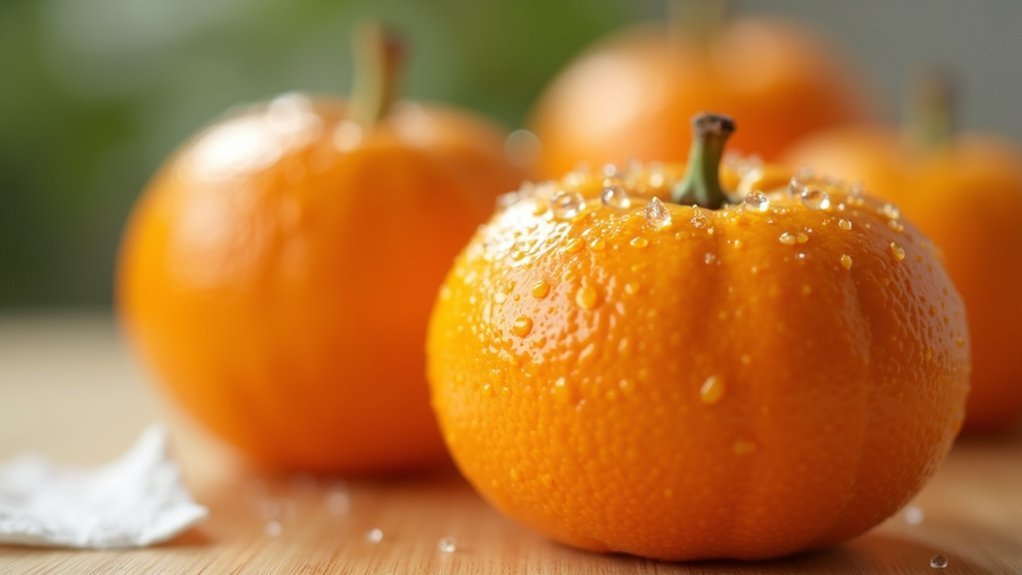

You can’t eat oranges after wisdom teeth removal. Their high acidity can irritate your healing tissues, leading to increased pain and inflammation. It’s important to avoid acidic foods for at least a week post-surgery to promote smoother recovery and prevent complications. Instead, focus on soft, non-acidic foods that support your healing process. Following dietary guidelines is vital, and there’s much more to take into account for a successful recovery.
Key Takeaways
- Avoid eating oranges for at least the first week after wisdom teeth removal due to their acidity.
- Citrus fruits can irritate healing tissues and increase pain at surgical sites.
- Acidic foods like oranges may disrupt blood clots and hinder recovery.
- Stick to soft, non-acidic foods to create a conducive environment for healing.
- Consult your surgeon about when it’s safe to reintroduce certain foods, including oranges.
Understanding the Impact of Citrus on Healing
When recovering from wisdom teeth removal, it’s crucial to understand how citrus fruits like oranges can impact your healing process.
These acidic foods can irritate healing tissues in your mouth, potentially causing discomfort and exacerbating inflammation at surgical sites. Consuming orange juice might further increase pain if it contacts the incisions left by the procedure.
To promote ideal healing conditions, it’s generally advised to avoid citrus fruits for at least the first week post-surgery. Instead, focus on non-acidic, soft fruits that can minimize irritation and support your recovery, ensuring a smoother healing journey.
Foods to Avoid After Wisdom Teeth Removal
After wisdom teeth removal, it’s essential to avoid acidic foods, especially citrus fruits like oranges.
Their acidity can irritate healing tissues and increase discomfort, while small seeds may get trapped in extraction sites.
Sticking to soft, non-acidic foods for at least a week will help guarantee a smoother recovery.
Acidic Foods Caution
Although you might crave something revitalizing, it’s essential to avoid acidic foods, like oranges, after wisdom teeth removal. These foods can irritate healing tissues and cause discomfort at the surgical sites.
To guarantee a smoother recovery, steer clear of:
- Oranges and citrus fruits
- Tomato products
- Vinegar-based dressings
- Carbonated beverages
During the first week post-surgery, consuming these items may disrupt the healing process and prolong discomfort.
Opt for non-acidic fruits instead, as they can help promote a more comfortable recovery and maintain your well-being while your mouth heals.
Citrus Fruits Impact
Avoiding citrus fruits, particularly oranges, is essential during your recovery from wisdom teeth removal due to their high acidity.
The acidic nature of these fruits can irritate healing tissues, causing pain when juices contact surgical sites. This irritation may exacerbate inflammation, hindering your healing process and prolonging recovery.
It’s advisable to stay away from oranges and other citrus fruits for at least the first week after surgery to guarantee a more comfortable experience.
Instead, consider opting for non-acidic fruits that promote healing and won’t disrupt your recovery, allowing you to focus on regaining your health.
Recommended Soft Foods for Recovery
Choosing the right soft foods during your recovery from wisdom teeth removal is crucial for promoting healing and comfort. You’ll want to avoid hard or crunchy items that can irritate your gums.
Instead, focus on nutrient-rich options that ease your recovery from oral surgery. Consider including:
- Yogurt
- Applesauce
- Smoothies
- Soups or broths
These soft foods are easy to consume and provide necessary vitamins and minerals.
As swelling and discomfort decrease, gradually introduce semi-soft foods while monitoring how your mouth feels. This balanced approach guarantees you’re nourishing your body without compromising your healing process.
Nutritional Considerations Post-Surgery
Understanding the nutritional considerations after wisdom teeth removal is essential for a smooth recovery.
It’s important to avoid acidic foods like oranges, as their acidity can irritate the healing tissues, leading to discomfort and inflammation. Consuming citrus fruits may hinder your recovery by disrupting blood clots and potentially resulting in complications like dry socket.
Instead, focus on soft foods during the initial healing period to minimize irritation and support ideal healing. By prioritizing non-acidic, soft foods for at least a week post-surgery, you’ll create a more conducive environment for recovery and guarantee a more comfortable healing process.
The Role of Acidity in the Healing Process
After your wisdom teeth removal, the acidity of foods like oranges can greatly impact your healing process.
Acids irritate sensitive tissues and may increase inflammation around the surgical sites, making recovery uncomfortable.
To promote ideal healing, consider alternative fruit options that are less acidic during this critical recovery period.
Effects of Acidity
While it’s tempting to enjoy a revitalizing orange, the acidity in citrus fruits can markedly impact your healing process after wisdom teeth removal. Here’s what you need to take into account:
- Acidity can irritate healing tissues at the extraction site.
- Citrus fruits like oranges contain citric acid, inflaming sensitive gums.
- Consuming acidic foods may delay healing and increase swelling.
- It’s best to avoid oranges for at least a week post-surgery.
Prioritizing your recovery means steering clear of these foods to avoid complications and promote ideal healing.
Focus on softer, non-acidic options to guarantee a smoother recovery experience.
Healing Tissue Sensitivity
As you recover from wisdom teeth removal, it’s crucial to recognize that the sensitivity of healing tissues can greatly impact your comfort.
Consuming acidic foods, like oranges, can lead to irritation and discomfort, hindering your healing process. The acidity in these fruits can disrupt recovery by aggravating the surgical sites, potentially increasing pain and inflammation.
Additionally, eating acidic foods may elevate the risk of complications, such as dry socket, by irritating the clot.
For a smoother recovery, it’s best to avoid acidic fruits for at least a week, allowing your gums to heal without unnecessary irritation.
Alternative Fruit Options
Healing from wisdom teeth removal requires careful attention to your diet, particularly regarding the acidity of the foods you consume. Oranges are highly acidic and can irritate healing tissues, disrupting your recovery.
Instead, consider these gentler alternatives:
- Bananas
- Applesauce
- Pureed fruits
- Melons
These options are less acidic and won’t exacerbate inflammation or sensitivity.
It’s best to wait until you’re fully healed before reintroducing citrus fruits to avoid irritation. Prioritizing non-acidic fruits will support your healing process and make your recovery more comfortable, ensuring you can serve others with a healthy smile again soon.
Transitioning Back to Regular Foods
Once you’ve passed the initial recovery phase after wisdom teeth removal, it’s important to start shifting back to regular foods carefully.
Begin with soft options and monitor for any pain or discomfort. Typically, you can reintroduce semi-soft foods about a week post-surgery, provided you’re not experiencing significant pain.
Test your tolerance with small bites, reverting to softer foods if discomfort arises.
It’s essential to avoid hard, crunchy, or acidic foods like oranges during this time, as they can irritate your oral surgical sites.
Always listen to your body and proceed cautiously in your recovery process.
Avoid smoking to promote healing.
Tips for Managing Pain During Recovery
Effective pain management is essential for a smooth recovery after wisdom teeth removal, so it’s important to follow your oral surgeon’s guidance closely.
Here are some tips to help manage pain effectively:
- Take prescribed pain medications as directed.
- Apply an ice pack to your jaw for 15-20 minutes at a time.
- Stay hydrated and consume soft, cool foods to eat.
- Rinse with warm salt water after the first 24 hours, avoiding vigorous swishing.
When to Consult With Your Oral Surgeon
If you notice any unusual symptoms during your recovery from wisdom teeth removal, it’s essential to consult your oral surgeon.
Persistent pain or discomfort may indicate complications, while signs of infection—like swelling, fever, or pus—require immediate attention.
Persistent pain or discomfort may signal complications, while symptoms like swelling, fever, or pus necessitate prompt medical attention.
If you experience severe pain and a foul taste, you might’ve dry socket, so reach out for guidance.
It’s also wise to schedule a follow-up appointment to discuss your healing process and when it’s safe to reintroduce certain foods, including acidic options like oranges.
Your oral surgeon can provide personalized advice on dietary restrictions during your recovery.