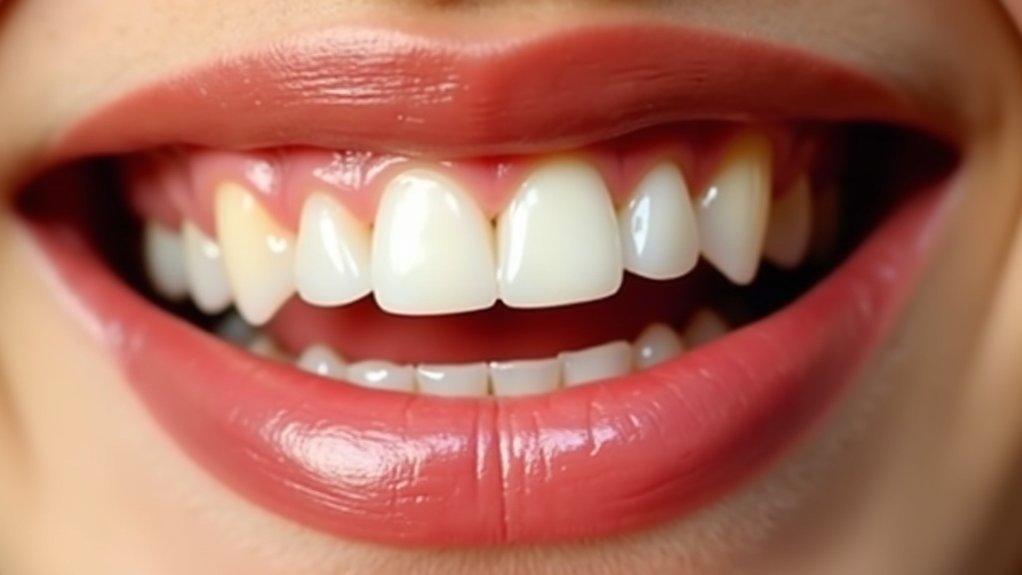

Whitening teeth with no enamel is risky. Without enamel, your teeth may become more sensitive and vulnerable to damage. Professional whitening treatments can sometimes be safe, but you need a dentist’s guidance to assess your dental health first. Over-the-counter products could worsen enamel erosion and lead to further discoloration. Exploring alternative options and maintenance tips is essential for achieving a brighter smile. Discover more to make informed choices for your dental care.
Key Takeaways
- Teeth without enamel are more sensitive and prone to damage, making whitening procedures risky.
- Professional whitening options may be available, but require careful assessment by a dentist.
- Over-the-counter whitening products can worsen enamel erosion and lead to further discoloration.
- Enamel preservation techniques should be prioritized before considering any whitening treatments.
- Alternative solutions like dental bonding or porcelain veneers may be safer for discolored teeth without enamel.
Understanding Tooth Enamel and Its Importance
Tooth enamel is often regarded as the body’s unsung hero, providing an essential barrier against decay and sensitivity. This hardest substance in your body protects against daily wear and tear, but when it becomes thin, you risk exposing discolored dentin beneath.
Weak or eroded enamel not only alters your smile’s appearance but also heightens tooth sensitivity and cavity risks. Acidic foods, gum disease, and conditions like acid reflux contribute to enamel erosion.
Prioritizing enamel health is important, especially if you’re considering cosmetic procedures like teeth whitening, as compromised enamel can lead to further deterioration. Protecting your enamel is essential for overall oral health.
Causes of Yellow Teeth
Yellow teeth can result from various factors, including your diet, lifestyle habits, and enamel erosion.
Foods and beverages like coffee and red wine can stain your teeth, while smoking may further damage enamel.
Additionally, conditions like acid reflux can exacerbate discoloration by eroding enamel and revealing the darker dentin underneath.
Dietary Factors Affecting Color
While many factors contribute to the discoloration of teeth, dietary choices play a significant role in determining their color. Excessive consumption of acidic foods, like citrus fruits and sugary sodas, can erode enamel, exposing the yellow dentin beneath.
Staining beverages such as coffee, tea, and red wine also lead to surface stains, making teeth appear yellow over time. Smoking and poor oral hygiene further exacerbate this issue by damaging enamel and allowing plaque buildup.
Even certain medications can cause intrinsic staining, resulting in a persistent yellow hue that teeth whitening products may struggle to remedy effectively.
Enamel Erosion Causes
When you consume acidic foods and drinks, such as citrus fruits and sodas, you may unknowingly contribute to enamel erosion, which can lead to discoloration of your teeth.
Here are four common causes of enamel erosion:
- Acidic Foods and Drinks: Citrus fruits and sodas can wear down enamel over time.
- Acid Reflux: Stomach acid can damage enamel, causing increased tooth sensitivity.
- Poor Oral Hygiene: Inadequate brushing allows plaque buildup, leading to enamel thinning.
- Lifestyle Choices: Smoking and excessive alcohol weaken enamel, contributing to yellowing.
Understanding these causes can help you protect your smile before relying on whitening strips.
Lifestyle Habits Impacting Teeth
Various lifestyle habits can greatly impact the color of your teeth, leading to unwanted yellowing. Consuming acidic foods and sugary drinks contributes to enamel erosion, exposing the yellowish dentin beneath.
Smoking also increases discoloration, while poor oral hygiene can result in plaque buildup and stains.
Additionally, certain medications, particularly tetracycline, may cause intrinsic discoloration, resulting in a yellow or gray appearance over time.
Excessive exposure to acidic beverages weakens enamel, making your teeth more prone to staining.
Finally, genetic factors influence your enamel thickness, affecting how visible underlying discoloration can be.
Prioritize healthy habits to maintain your smile’s brightness.
Can Teeth Whitening Work on Damaged Enamel?
Can teeth whitening truly be effective on damaged enamel? Unfortunately, the results may not meet your expectations. Here’s what you should know:
- Weakened enamel doesn’t respond well to traditional whitening methods.
- Increased sensitivity during treatments can cause discomfort.
- Damaged enamel allows yellowish dentin to show through, reducing whitening effectiveness.
- Professional treatments can be tailored to minimize sensitivity and enhance results.
To maintain tooth health while attempting to improve appearance, consider products with hydroxyapatite that strengthen enamel.
Always consult a dentist before starting any whitening treatment on your damaged enamel to guarantee safety and ideal outcomes.
Professional Teeth Whitening Options
When considering professional teeth whitening options, you’ll find that various safe procedures are available, especially for those with compromised enamel.
Your dentist can recommend enamel preservation techniques and alternative treatments tailored to your needs, ensuring effective results while minimizing sensitivity.
Consulting with a cosmetic dentist is essential to determine the best approach for your unique dental situation.
Safe Whitening Procedures
While achieving a brighter smile is a common desire, ensuring the safety of your enamel during the whitening process is essential.
Here are some safe whitening procedures you can consider:
- In-office treatments: Use stronger bleaching agents under a cosmetic dentist’s supervision for effective results.
- SNOW products: Incorporate hydroxyapatite to aid in remineralization while whitening.
- Custom-fitted trays: Minimize sensitivity and irritation with a proper fit and controlled application.
- Deep bleaching techniques: Address discoloration beyond enamel, suitable for those with little to no enamel.
Regular consultations with a cosmetic dentist help tailor the best approach for your sensitive teeth.
Enamel Preservation Techniques
Maintaining your enamel’s integrity during teeth whitening is paramount, especially with the variety of professional options available.
Techniques like deep bleaching can effectively whiten your teeth while addressing underlying dentin discoloration without compromising enamel. Dentists utilize controlled hydrogen peroxide concentrations that minimize enamel damage, promoting enamel preservation.
Additionally, products with hydroxyapatite can repair and strengthen enamel during the whitening process, offering dual benefits. A tailored approach guarantees sensitivity and erosion risks are managed effectively.
Regular dental check-ups and cleanings will help maintain your whitening results and monitor your enamel health, guaranteeing you achieve a bright smile safely and sustainably.
Alternative Treatment Options
If you’re seeking effective ways to brighten your smile without compromising your enamel, several professional teeth whitening options are available.
These alternative treatment options can help you whiten teeth naturally while ensuring safety:
- In-Office Treatments: Use higher concentrations of hydrogen peroxide for effective whitening.
- Deep Bleaching: Targets discoloration in dentin, preserving enamel integrity.
- Dental Bonding: Covers discolored teeth with a durable solution.
- Porcelain Veneers: Provide a permanent aesthetic enhancement for those avoiding traditional whitening methods.
Consulting an experienced cosmetic dentist is essential to tailor these treatments to your needs and protect your enamel.
Risks of Over-the-Counter Whitening Products
Even though over-the-counter whitening products promise quick results, their use can pose significant risks, especially for those with compromised enamel.
Many of these products contain abrasive ingredients that can exacerbate enamel thinning, leading to increased sensitivity and potential long-term damage.
DIY solutions, like charcoal toothpaste, might scratch the enamel surface, worsening discoloration.
In addition, while these products target enamel, they often leave the dentin beneath unaffected, which can contribute to yellowing.
Without professional guidance, you risk using unsuitable products that may complicate your dental condition, ultimately exacerbating the issues instead of resolving them.
Prioritize your dental health with informed choices.
Alternatives for Discolored Teeth
While many seek quick fixes for discolored teeth, there are effective alternatives that cater specifically to those with enamel loss.
Consider these options:
- Dental Bonding: A natural-looking solution to cover discolored teeth without whitening.
- Porcelain Veneers: Durable and aesthetic, lasting 7 to 20 years with proper care.
- Deep Bleaching: Targets deeper stains beyond the enamel layer for enhanced brightness.
- Professional Consultation: Essential for personalized alternative treatments based on your dental health.
Regular check-ups are vital to monitor the effectiveness of these methods, ensuring your smile remains vibrant and healthy.
Maintaining Teeth After Whitening
To maintain the brightness of your teeth after whitening, it’s crucial to adopt a proactive approach to your oral care routine.
Start by limiting staining foods and beverages like coffee, tea, and red wine. Regular check-ups with your dentist help monitor your oral health and address any issues early.
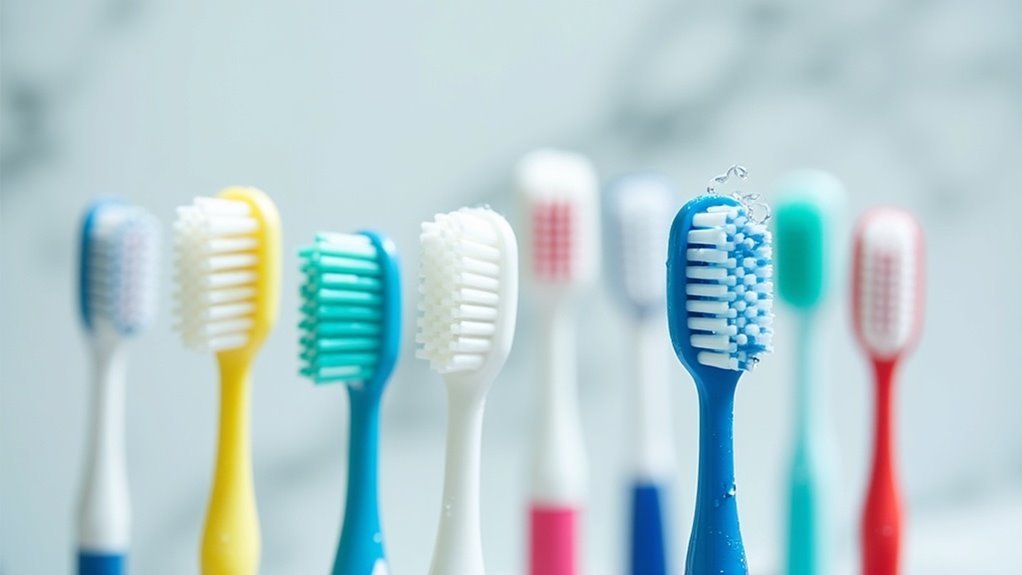
Incorporating whitening toothpaste or enamel-safe products can greatly help your teeth by preventing new stains and preserving the outer layer.
Finally, maintain good oral hygiene practices, including brushing twice daily and flossing, to guarantee lasting results and keep your smile shining bright.