
Yes, wisdom teeth do have nerves that are essential for sensing pain, pressure, and temperature in your mouth. These sensory nerves interact with the inferior alveolar nerve, which supplies sensation to your lower jaw, gums, lips, and chin. If your wisdom teeth are impacted, pressure on these nerves can cause numbness or tingling. Understanding how these nerves function can help mitigate discomfort and prevent complications. You’ll find more information on how to manage any issues related to nerve pressure and wisdom teeth.
Key Takeaways
- Yes, wisdom teeth possess sensory nerves that detect pain, pressure, and temperature in the surrounding area.
- The inferior alveolar nerve supplies sensation to the lower jaw, gums, lips, and chin, affecting wisdom teeth.
- Nerve compression from impacted wisdom teeth can cause numbness and tingling in the jaw, lips, or chin.
- Removal of wisdom teeth carries a risk of nerve damage, leading to potential numbness post-surgery.
- Regular dental evaluations help monitor nerve health and assess the condition of wisdom teeth.
Understanding the Anatomy of Wisdom Teeth
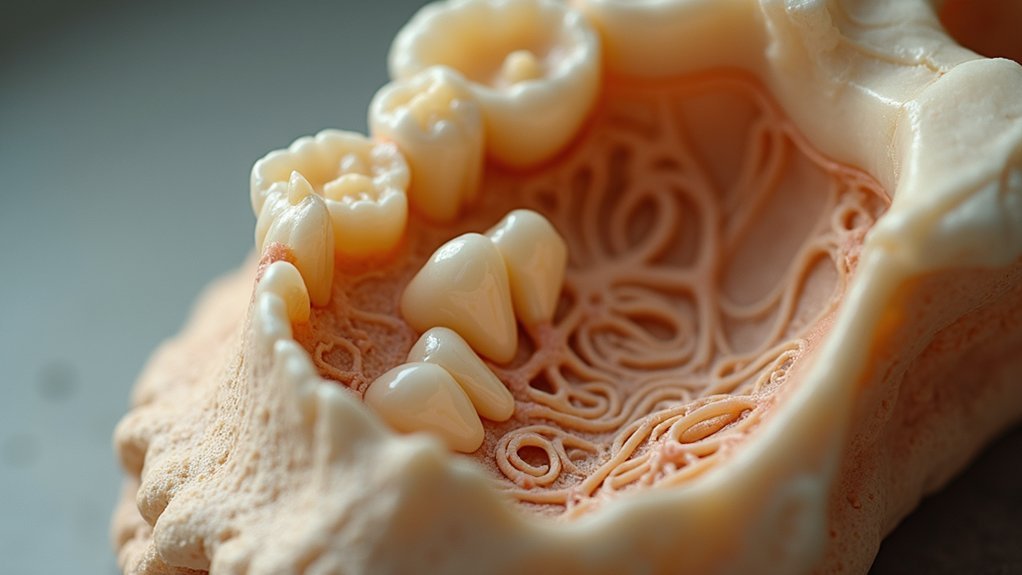
While you may think of wisdom teeth as just another set of molars, they’ve a complex anatomy that plays an essential role in your oral health.
Typically developing between ages 17 and 25, wisdom teeth possess a root system with two to three roots, varying in shape and direction.
The inferior alveolar nerve, responsible for sensation in your lower jaw, can be affected by impacted wisdom teeth. If these molars erupt at an angle, they may exert pressure, leading to numbness or tingling.
Dental professionals utilize imaging techniques for accurate diagnosis and treatment, ensuring ideal oral health.
The Role of Nerves in Wisdom Tooth Function
Understanding the role of nerves in wisdom tooth function is essential for recognizing how these molars contribute to your overall oral health.
Wisdom teeth possess sensory nerves that detect pain, pressure, and temperature during chewing, signaling potential issues like impacted wisdom teeth or infection. The inferior alveolar nerve primarily supplies sensation to your lower jaw, affecting the gums, lips, and chin.
When wisdom teeth are removed, nerve damage can lead to numbness or tingling, impacting sensation. Maintaining good oral hygiene and regular dental care can help prevent complications associated with nerve pressure, ensuring optimal performance and health of your wisdom teeth.
Common Symptoms Associated With Nerve Pressure
Nerve pressure from wisdom teeth can lead to a range of uncomfortable symptoms that greatly impact your quality of life. You might experience sharp or radiating pain in your jaw, ear, or neck, especially while chewing or opening your mouth.
Numbness and tingling in the lower jaw, lips, tongue, or chin may also occur due to nerve compression. Additionally, inflammation from impacted wisdom teeth can result in difficulty opening your mouth (trismus) and swelling near the affected tooth.
Changes in sensation, such as loss of feeling or hypersensitivity in your lower face, are common symptoms associated with nerve pressure.
Treatment Options for Nerve-Related Pain
When dealing with nerve-related pain caused by wisdom teeth, several effective treatment options can provide relief.
Over-the-counter medications like ibuprofen or acetaminophen can help manage discomfort from the wisdom teeth nerve, while warm saltwater rinses reduce inflammation and promote healing in surrounding tissues.
Topical numbing gels offer temporary relief, and cold compresses can alleviate swelling and numb pain that radiates from nerve pressure.
Consulting with a dental professional is essential to determine if surgical intervention is necessary to alleviate pain and reduce the risk of infection, particularly in oral and maxillofacial cases.
Importance of Professional Evaluation and Care
Professional evaluation and care are essential for ensuring the safe management of wisdom teeth, especially due to their anatomical relationship with nearby nerves.
To minimize risks during extraction, consider these key factors:
- Dental X-rays or 3D CBCT scans: These imaging techniques provide vital insights into the position of wisdom teeth and their proximity to nerves.
- Risk of nerve damage: Understanding that the chance of nerve injury ranges from 5-10% highlights the need for thorough assessments.
- Regular dental check-ups: Consistent visits to your dentist or oral surgeon help monitor for impaction and address any emerging nerve-related issues promptly.