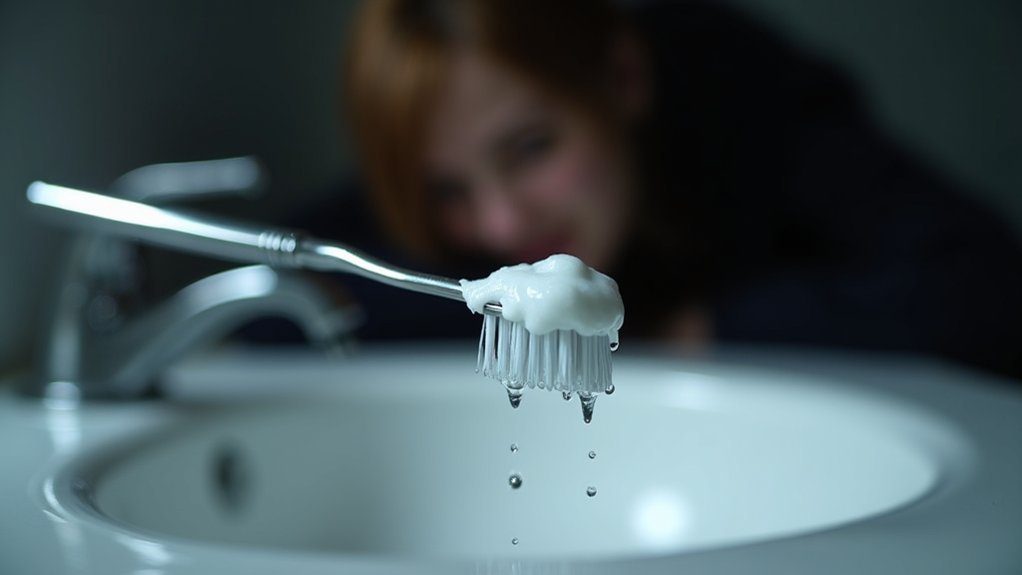

If you’re an alcoholic, you might find yourself gagging when brushing your teeth due to heightened sensitivity in your throat and esophagus from alcohol abuse. Chronic irritation from alcohol can exacerbate this reflex, making oral care uncomfortable. Factors like anxiety about gagging and dry mouth can further amplify your discomfort. Understanding these effects can help you better manage your oral hygiene routine. There are strategies you can explore to ease this experience and improve your overall care.
Key Takeaways
- Alcohol abuse can cause chronic throat irritation, heightening the gag reflex during activities like brushing teeth.
- Dry mouth from alcohol consumption reduces saliva, increasing throat irritation and sensitivity.
- Anxiety linked to past alcohol experiences can amplify the gag reflex when brushing.
- Toothbrush placement too far back or strong toothpaste flavors can trigger gagging episodes.
- Managing oral hygiene may require professional guidance to address heightened sensitivity and improve comfort.
Understanding the Gag Reflex in Alcoholics
When you think about the gag reflex, it’s easy to overlook how it can be impacted by factors like alcohol use. For those with a history of alcohol abuse, the gag reflex can become overly sensitive, complicating oral hygiene.
Chronic irritation in the throat and esophagus from drinking can heighten sensitivity, leading to gagging while brushing. Additionally, alcohol can cause dry mouth, reducing saliva and increasing irritation during brushing.
Anxiety tied to past experiences with alcohol may also play a role. Seeking professional dental advice can offer tailored strategies to manage this issue and improve comfort during oral care.
Common Triggers of Gagging While Brushing
For many individuals, brushing their teeth can trigger an uncomfortable gag reflex, and several factors contribute to this response.
Understanding these common triggers can help you maintain better oral health:
- Toothbrush Placement: Placing the toothbrush too far back can easily induce a gag reflex.
- Toothpaste Flavors: Strong or overly minty flavors may irritate the throat, leading to gagging.
- Anxiety Related Sensitivity: Fear of gagging can heighten sensitivity during brushing.
- Previous Health Problems: Past dental procedures or oral health issues may exacerbate the gag reflex.
Recognizing these triggers can empower you to manage your brushing routine more comfortably.
The Impact of Alcohol on Oral Health
When you consume alcohol regularly, it can greatly affect your oral health, leading to challenges during your daily hygiene routine.
The changes in your gag reflex, combined with the long-term dental consequences of alcohol, can make brushing your teeth uncomfortable.
It’s important to understand these effects to better manage your oral care and maintain a healthier mouth.
Alcohol’s Effect on Gag Reflex
Alcohol greatly impacts your oral health, particularly your gag reflex. The effects of chronic alcohol use can complicate your oral care routine. Here are some key points to evaluate:
- Alcohol can damage throat and esophageal functions, heightening gag reflex sensitivity.
- It disrupts saliva production, leading to dry mouth and increased gagging.
- Withdrawal may temporarily worsen sensitivity, making brushing more difficult.
- Anxiety related to alcohol dependence can amplify the gag reflex during brushing.
Understanding these factors can help you approach oral hygiene with empathy and care, easing the difficulties associated with managing your gag reflex.
Oral Hygiene Challenges Faced
While tackling oral hygiene can be challenging for anyone, those with a history of alcohol use often face unique obstacles that make it even more difficult.
Alcohol consumption can lead to dry mouth, reducing saliva and heightening the risk of cavities and bad breath, which can trigger a gag reflex during brushing.
Chronic alcohol use may also inflame the throat, making brushing uncomfortable. Additionally, impaired immune response can lead to plaque buildup and gum disease, further irritating the mouth.
Psychological factors, like anxiety around oral hygiene, can exacerbate these issues, creating a cycle that complicates your oral care efforts.
Long-Term Dental Consequences
Neglecting oral health can lead to serious long-term consequences, especially for those with a history of alcohol use. You might experience:
- Gum disease due to impaired immune response.
- Tooth decay from dry mouth and increased plaque buildup.
- Higher oral cancer risk as alcohol weakens your immune system.
- Enamel erosion from acidic beverages, like wine.
These issues highlight the importance of diligent dental care.
Regular checkups are essential for early detection of potential problems, ensuring your oral health remains a priority.
Tips to Help Stop the Gag Reflex
If you struggle with a gag reflex while brushing your teeth, making a few adjustments can help.
Try using a smaller toothbrush head and a milder toothpaste to ease discomfort.
Additionally, gentle brushing techniques and taking breaks can make the process more manageable and less intimidating.
Gentle Brushing Techniques
Brushing your teeth shouldn’t feel like an intimidating task, especially if you struggle with a gag reflex. Here are some gentle brushing techniques to help:
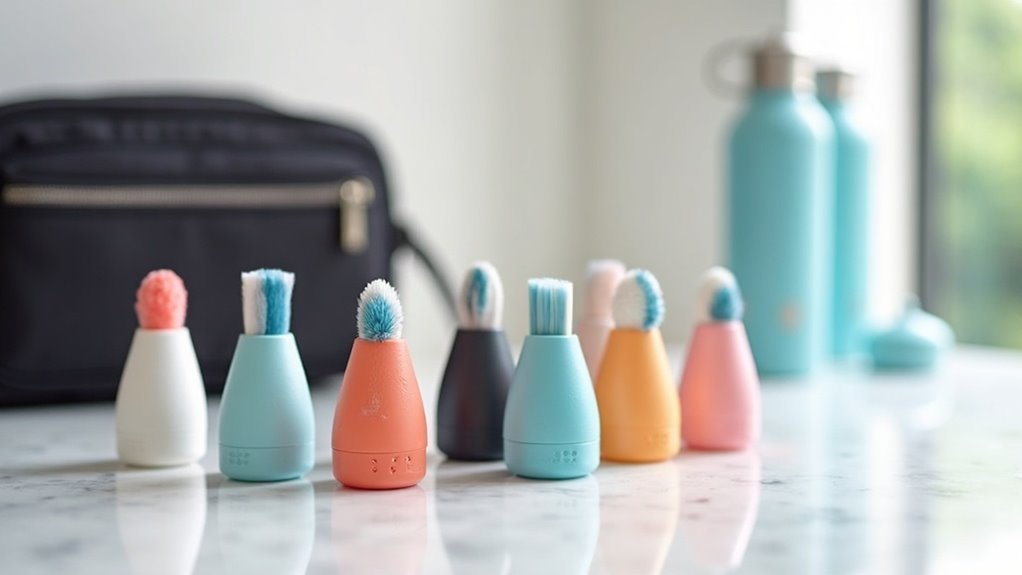
- Use a smaller toothbrush, like a child-sized or electric one with a smaller head.
- Opt for a milder toothpaste to minimize throat irritation.
- Brush in small circular motions or focus on one tooth at a time to avoid sensitive areas.
- Incorporate calming techniques, such as soothing music or deep breathing, to ease anxiety.
Toothpaste Selection Matters
Finding the right toothpaste can make a significant difference in your brushing experience, especially if you struggle with a gag reflex. Opting for milder flavors and smoother textures helps reduce irritation. Consider trying non-mint options like fruit flavors, which may be gentler. Avoid strong artificial sweeteners that can trigger discomfort. Experimenting with different brands allows you to identify what suits your needs best.
| Toothpaste Type | Benefits |
|---|---|
| Non-mint flavors | Less likely to provoke gagging |
| Smooth texture | Reduces throat irritation |
| Grit-free options | Minimizes gag reflex |
| Natural ingredients | Supports good oral health |
Alternative Oral Care Methods for Alcoholics
While maintaining oral hygiene can be challenging for those recovering from alcohol use, there are several alternative methods that can make the process easier and more comfortable. Consider these options:
- Mouthwash – A gentle cleaning option that’s less likely to trigger gagging.
- Dental Wipes – Convenient and soft, these minimize discomfort while cleaning teeth and gums.
- Electric Toothbrushes – With smaller heads and softer bristles, they navigate sensitive areas effectively.
- Water Flossers – They clean between teeth and along the gum line without the need for traditional flossing.
These alternative oral care methods can greatly improve your dental hygiene routine.
Seeking Professional Guidance for Oral Hygiene
Maintaining oral hygiene can be particularly challenging for those dealing with gag reflex issues, making it important to seek professional guidance.
By communicating your concerns to your dentist, you can receive tailored care strategies that address your specific needs. They might recommend numbing sprays or special positioning during visits to minimize discomfort.
Communicating your concerns to your dentist allows for personalized care strategies to effectively manage discomfort during visits.
In severe cases, light sedation options may help suppress the gag reflex during oral procedures.
After vomiting, rinse your mouth with water or diluted mouthwash before brushing.
Regular dental check-ups guarantee your oral health is monitored and any underlying conditions are identified, leading to better overall care.