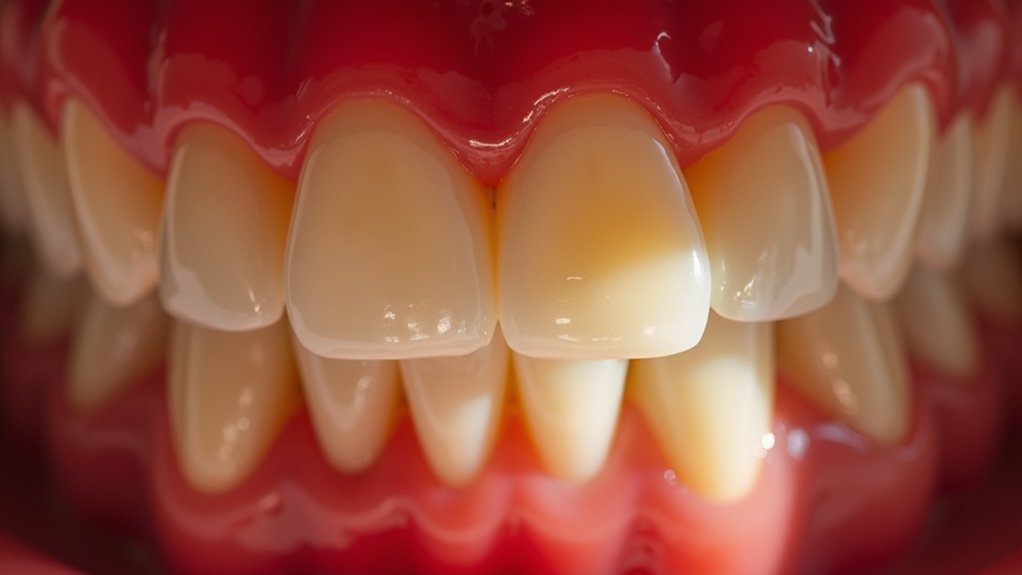

Yes, wisdom teeth can contribute to tonsil stones. When wisdom teeth become impacted or infected, they create conditions that foster poor oral hygiene and bacterial growth. This can lead to debris trapping in the tonsils, promoting tonsil stone formation. Maintaining good oral hygiene is essential in preventing these issues. If you want to learn more about the connection between wisdom teeth and tonsil stones, as well as tips for prevention and treatment, just continue exploring further.
Key Takeaways
- Impacted wisdom teeth can harbor bacteria, leading to poor oral hygiene and increasing the risk of tonsil stone formation.
- Debris from the mouth can accumulate in tonsil crypts due to the complications associated with wisdom teeth.
- Infections from impacted wisdom teeth can cause swollen lymph nodes, which may increase mucus production and contribute to tonsil stones.
- Maintaining good oral hygiene is crucial to prevent the development of tonsil stones when experiencing wisdom teeth issues.
- Regular dental check-ups can help monitor wisdom teeth and reduce the likelihood of complications that promote tonsil stone formation.
Understanding Wisdom Teeth
Understanding wisdom teeth is essential, especially since they often cause problems during late adolescence or early adulthood.
Wisdom teeth, or third molars, usually emerge between 17 and 25 years old. Due to limited jaw space, they frequently become impacted, leading to complications like pain, swelling, and persistent bad breath from trapped food and bacteria.
Impacted wisdom teeth create hard-to-reach areas, complicating oral hygiene and increasing the risk of gum disease and cavities.
To maintain good oral health, dental professionals often recommend extracting these teeth to prevent infections and damage to adjacent teeth, ensuring a healthier mouth overall.
Understanding Tonsil Stones
Tonsil stones, also known as tonsilloliths, are small calcified formations that develop in the crevices of the tonsils.
These stones form due to trapped bacteria and debris, leading to symptoms like bad breath and throat discomfort. They can vary in size, often appearing as white or yellow lumps in the tonsillar crypts.
Poor oral hygiene considerably contributes to their formation, along with chronic tonsillitis. You may experience a sore throat, difficulty swallowing, or ear pain.
Diagnosis involves a physical examination, while treatment options include improved oral hygiene, saltwater gargles, or surgical removal for larger stones.
Can Wisdom Teeth Contribute to Tonsil Stones?
The relationship between wisdom teeth and tonsil stones is significant, particularly when considering how impacted or partially erupted wisdom teeth can create pockets in the mouth.
Here’s how they can contribute:
- Bacteria Accumulation: Wisdom teeth can harbor bacteria due to poor oral hygiene.
- Inflammation: Infected wisdom teeth may lead to swollen lymph nodes, increasing mucus production.
- Food Particles: Debris from the mouth can get trapped in tonsil crypts, promoting tonsil stone formation.
While wisdom teeth don’t directly cause tonsil stones, complications from them can foster conditions that facilitate tonsil stone development.
Complications from wisdom teeth can create conditions that encourage the formation of tonsil stones.
Good oral hygiene practices can help prevent these issues.
Preventing Tonsil Stones If You Have Wisdom Teeth Issues
To prevent tonsil stones while dealing with wisdom teeth issues, it’s vital to maintain rigorous oral hygiene by brushing and flossing regularly.
Staying hydrated helps wash away food particles and bacteria, which is essential for keeping your mouth clean.
Additionally, addressing any dental problems promptly can greatly reduce the risk of complications that lead to tonsil stone formation.
Maintain Oral Hygiene
Maintaining oral hygiene is essential for preventing tonsil stones, especially if you have wisdom teeth issues. Here are three key practices:
- Brush and Floss Regularly: Focus on areas around your wisdom teeth to prevent food debris and bacteria accumulation.
- Use Antimicrobial Mouthwash: This can help reduce bacteria levels, promoting better oral health and decreasing the risk of tonsil stones.
- Rinse with Warm Saltwater: This alleviates inflammation and flushes out debris that could lead to tonsil stones.
Stay Hydrated Regularly
Staying hydrated plays an essential role in preventing tonsil stones, particularly for those facing challenges with their wisdom teeth.
When you stay hydrated, you maintain moisture in your mouth, flushing away debris and bacteria that contribute to tonsil stone formation. Adequate water intake supports saliva production, which neutralizes acids and reduces food particle buildup around wisdom teeth and tonsils.
Proper hydration combats dry mouth, decreasing the risk of bacteria accumulation and infection. Aim for at least eight glasses of water daily to guarantee peak oral health, minimizing tonsil stones linked to wisdom teeth complications and enhancing your overall well-being.
Address Dental Issues Promptly
Proactively addressing dental issues, especially with wisdom teeth, can considerably lower the risk of developing tonsil stones.
Here are three key actions to take:
- Maintain Good Oral Hygiene: Regular brushing and flossing help eliminate bacteria and debris that contribute to tonsil stone formation.
- Seek Professional Care: If you experience impaction or infection, consult a dentist to address the problem promptly.
- Stay Hydrated: Keeping your mouth moist aids in washing away debris, reducing the likelihood of tonsil stones.
Treating Tonsil Stones and Wisdom Teeth Issues
To effectively treat tonsil stones and wisdom teeth issues, you need to focus on thorough oral hygiene practices.
Incorporating professional treatment options and home remedies can greatly alleviate discomfort and prevent further complications.
Understanding these approaches will help you maintain better oral health and reduce the recurrence of these conditions.
Oral Hygiene Practices
Effective oral hygiene practices are essential for managing issues related to wisdom teeth and tonsil stones. To maintain superior oral health, consider these key steps:
- Brush twice daily and floss regularly to minimize bacteria and debris buildup.
- Use an antimicrobial mouthwash to effectively flush out harmful bacteria, especially if you have impacted wisdom teeth or are prone to tonsil stones.
- Stay hydrated to support saliva production, which helps cleanse the mouth and reduce debris accumulation.
Additionally, rinse with a saline solution for comfort and schedule regular dental check-ups to detect and address any emerging issues promptly.
Professional Treatment Options
Maintaining good oral hygiene can considerably reduce complications associated with wisdom teeth and tonsil stones, but professional treatment options often become necessary when issues arise.
Extraction of impacted wisdom teeth is commonly recommended to minimize infection risks and bacterial buildup, subsequently decreasing tonsil stone formation.
For persistent tonsil stones, surgical interventions like tonsillectomy or laser tonsil cryptolysis may alleviate discomfort and recurrent infections.
Regular dental check-ups guarantee monitoring of wisdom teeth and enhance oral hygiene.
Additionally, antibiotics can manage infections related to wisdom teeth, reducing overall bacterial load and further lowering the risk of tonsil stones.
Home Remedies and Techniques
Many people find that incorporating home remedies can effectively address the discomfort caused by tonsil stones and wisdom teeth issues. Consider these techniques:
- Maintain oral hygiene: Regular brushing and flossing reduce bacteria and debris, minimizing tonsil stone formation.
- Rinse with mouthwash: Use saline or alcohol-free mouthwash to flush out food particles and bacteria.
- Stay hydrated: Drink ample water to keep your mouth moist and wash away potential debris.
For small tonsil stones, gentle removal with a cotton swab can be effective.
However, always consult professional dental care for wisdom teeth problems to prevent further complications.
When to Seek Professional Help
When should you consider seeking professional help for issues related to wisdom teeth and tonsil stones?
If you experience persistent throat discomfort, especially with bad breath or difficulty swallowing, consult a healthcare professional.
Visible white or yellow lumps on your tonsils that don’t improve with home remedies warrant evaluation.
For impacted wisdom teeth causing infections, it’s crucial to see a dentist or oral surgeon, as this can lead to tonsil stone formation.
If you face recurrent tonsillitis or frequent tonsil stones despite good oral hygiene, discussing surgical options like tonsillectomy may be necessary.
Seek medical attention for large tonsil stones that obstruct breathing.
Final Thoughts: Understanding the Connection Between Wisdom Teeth and Tonsil Stones
Understanding the intricate relationship between wisdom teeth and tonsil stones is essential for effective oral health management. Here are key points to reflect on:
- Impacted wisdom teeth can hinder your ability to maintain good oral hygiene, leading to bacterial growth.
- Food accumulation around these teeth can create a conducive environment for tonsil stone formation.
- Inflammation or infection from impacted wisdom teeth can increase mucus production, facilitating tonsil stones.