
To stop your teeth from chipping, start by addressing the causes like weak enamel and biting hard substances. Maintain good oral hygiene, using fluoride toothpaste and flossing daily. Limit acidic and sugary foods, and consider using a mouthguard if you grind your teeth. Regular dental visits can help catch issues early. Staying hydrated also supports enamel strength. By following these guidelines, you can greatly reduce the risk of chipping and learn more about effective dental care strategies.
Key Takeaways
- Maintain strong enamel by consuming a balanced diet rich in calcium and vitamin D.
- Practice good oral hygiene by brushing twice daily and flossing regularly.
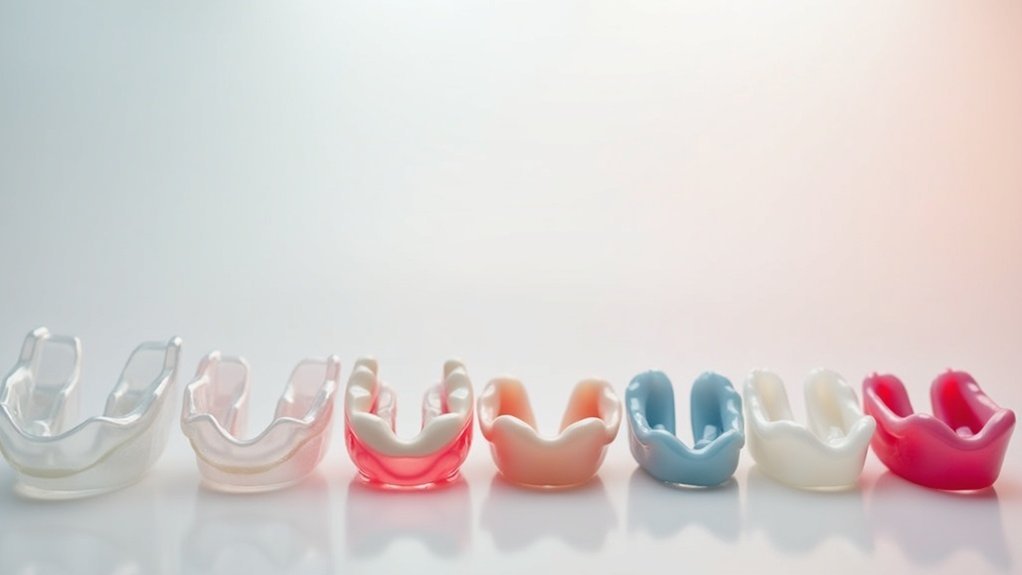
- Use a mouthguard during sports or while sleeping to prevent teeth grinding.
- Limit sugary and acidic foods to reduce enamel erosion and acid production.
- Schedule regular dental check-ups to monitor and address any dental issues promptly.
Understanding the Causes of Chipped Teeth
Chipped teeth can result from various factors, and understanding these causes is crucial for prevention.
Weak enamel, whether due to cavities or erosion, considerably increases the risk of chipping, as compromised teeth are more vulnerable to fractures. Additionally, biting down on hard substances can exacerbate the issue, particularly if your teeth are already weakened.
Teeth grinding, or bruxism, gradually wears down enamel, leading to potential chips over time. Furthermore, frequent consumption of acidic foods and drinks erodes enamel, making your teeth more susceptible to damage.
Maintaining proper oral hygiene is essential in mitigating these risks and preserving your dental health.
Signs and Symptoms of a Chipped Tooth
If you suspect you have a chipped tooth, look for visible signs like a jagged edge or uneven surface compared to your other teeth.
You may also notice increased sensitivity when consuming hot or cold foods, alongside potential pain while biting down.
These symptoms can greatly impact your daily activities and warrant prompt dental attention.
Visual Indicators of Damage
A chipped tooth can present several visual indicators of damage that are important to recognize. You might notice a jagged or uneven surface, signaling visible damage to the tooth enamel.
Increased sensitivity to hot or cold foods can also be a sign, as exposed nerve endings react more intensely. Additionally, sharp edges may irritate surrounding tissues, leading to soreness in your tongue, lip, or gums.
If you experience discomfort while biting down, this could indicate structural issues with the tooth.
Prioritizing dental hygiene and monitoring these symptoms is essential for maintaining your oral health and addressing any concerns promptly.
Sensitivity and Pain
When you experience sensitivity or pain in your teeth, it might indicate an underlying issue, such as a chip in the enamel.
A chipped tooth can lead to increased sensitivity to hot or cold foods and discomfort while biting. You may notice that the rough edges irritate your tongue, lips, or gums.
If you feel sharp pain or persistent soreness, these are signs of tooth damage that shouldn’t be ignored. In cases of severe damage, symptoms like swelling or discharge may arise.
To address these issues effectively, it’s essential to visit your dentist for proper dental care.
Impact on Daily Activities
Chipped teeth can profoundly impact your daily activities, often manifesting through various signs and symptoms. You might notice a jagged surface, experience pain when biting, or feel increased sensitivity to temperature and sweets. Irritation around your tongue or gums can also occur due to sharp edges, while severe damage may lead to infection symptoms.
| Signs & Symptoms | Impact on Activities | Preventive Tips |
|---|---|---|
| Jagged tooth surface | Difficulty smiling | Maintain a healthy diet |
| Pain while biting | Avoiding certain foods | Regular dentist visits |
| Increased sensitivity | Discomfort in daily tasks | Avoid tooth decay methods |
Immediate Steps to Take if You Chip a Tooth
If you find yourself with a chipped tooth, it’s crucial to act quickly to minimize potential complications.
Start by rinsing your mouth with warm water to clean the area and reduce the risk of infection. Preserve the chipped piece in a cup of milk or saliva until you can see a dentist.
Avoid chewing on the affected side and stick to soft foods to minimize discomfort. Over-the-counter pain relief, like ibuprofen or acetaminophen, can help manage pain until your appointment.
Treatment Options for Chipped Teeth
Addressing a chipped tooth promptly is essential to restoring its functionality and appearance. Treatment options vary based on the severity of the chip.
For minor chips, tooth bonding with composite resin provides a quick fix. If aesthetics are a concern, porcelain veneers can effectively mask cosmetic damage on front teeth.
For larger chips, onlays may be recommended, offering a less invasive solution than full dental crowns.
In cases where the chip extends to the nerve, a root canal followed by a crown may be necessary to prevent infection and guarantee long-term health of the tooth.
Preventive Measures to Avoid Chipping Teeth
To prevent your teeth from chipping, it is crucial to adopt a proactive approach that includes a combination of dietary choices, regular dental visits, and protective measures. Maintain a balanced diet to support strong enamel, practice good oral hygiene, and use fluoride toothpaste. Regular check-ups with your family dentist will help identify issues early. Additionally, wear a mouthguard during sports and avoid using your teeth as tools.
| Preventive Measure | Description | Benefits |
|---|---|---|
| Balanced Diet | Rich in calcium and vitamin D | Strengthens enamel |
| Regular Dental Visits | Check-ups and cleanings | Early issue detection |
| Mouthguard Usage | Protection during sports | Prevents injury and chipping |
| Good Oral Hygiene | Brush twice daily and floss | Prevents decay and erosion |
The Importance of a Tooth-Healthy Diet
Maintaining a tooth-healthy diet is essential for preserving strong enamel and preventing chips in your teeth. A diet rich in calcium, vitamin D, and phosphorus supports enamel strength and overall oral health.
Limiting sugary foods reduces acid production, which helps protect your teeth from decay. Incorporating crunchy fruits and vegetables, like apples and carrots, naturally cleans your teeth while stimulating saliva, offering additional protection.
Foods high in vitamins A, C, D, and K, such as leafy greens and dairy, aid in enamel rebuilding.
Finally, drink plenty of water to rinse away harmful residues and neutralize acids, safeguarding your teeth.
Regular Dental Care: Key to Strong Teeth
A strong tooth-healthy diet sets the foundation for effective dental care, which plays a pivotal role in preventing chipped teeth.
A nutritious diet is essential for robust dental care and is key to preventing chipped teeth.
Regular dental care, including check-ups twice a year, helps identify issues like cavities and enamel wear early. Professional cleanings remove plaque and tartar, essential for maintaining strong enamel and preventing decay.
During visits, dentists provide personalized advice on oral hygiene practices and dietary choices that strengthen teeth. They also detect bite imbalances or signs of bruxism, leading to timely interventions.
Consistent fluoride treatments enhance enamel strength, making your teeth more resistant to chipping and decay.
When to Seek Professional Help for Chipped Teeth
Chipped teeth can lead to various complications, so it’s important to know when to seek professional help. If you experience pain or sensitivity while biting, or if a jagged edge irritates your tongue, prompt treatment is vital. Larger chips that compromise structure or aesthetics also require dental attention. Additionally, if the chip exposes the inner pulp, you risk infection without immediate care. Regular dental check-ups help identify issues early, maintaining dental health and preventing further damage.
| Symptoms | Action Required | Outcome |
|---|---|---|
| Pain while chewing | Seek professional help | Prevent further damage |
| Jagged edge irritation | Prompt treatment | Alleviate discomfort |
| Exposed pulp | Immediate dental attention | Avoid complications |
| Larger chips | Discuss options with dentist | Restore tooth integrity |