
Yes, TMJ disorders can make your teeth sensitive to hot and cold temperatures. This sensitivity often arises from jaw misalignment and pressure on the teeth, leading to enamel wear and exposure of the underlying dentin. Inflammation of the TMJ also heightens your sensitivity to temperature changes. Addressing these issues promptly is essential for your oral health and comfort, and understanding the connection between TMJ and tooth sensitivity can help you manage the condition more effectively.
Key Takeaways
- TMJ disorders can lead to tooth sensitivity due to jaw misalignment and pressure on teeth.
- Inflammation in the TMJ may increase sensitivity to temperature changes like hot and cold.
- Grinding teeth associated with TMJ dysfunction can wear down enamel, exposing sensitive dentin.
- Many individuals experience temperature sensitivity without visible dental damage linked to TMJ issues.
- Consulting a dentist or TMJ specialist is essential for diagnosing and managing sensitivity related to TMJ disorders.
Understanding TMJ Disorders and Their Symptoms
When you experience discomfort in your jaw or notice increased sensitivity in your teeth, it may indicate a temporomandibular joint (TMJ) disorder.
TMJ disorders often present with symptoms like jaw pain, headaches, and tooth sensitivity.
Teeth grinding, commonly associated with TMJ dysfunction, leads to enamel wear, exposing sensitive dentin and heightening sensitivity to hot and cold stimuli.
Additionally, jaw misalignment can irritate the nerves in your teeth, causing discomfort even without visible damage.
Over time, these conditions can greatly impact your oral health and quality of life, complicating the diagnosis and management of TMJ-related issues.
The Connection Between TMJ Disorders and Tooth Sensitivity
If you’re experiencing tooth sensitivity, it may be linked to TMJ disorders.
Misalignment and excessive pressure from clenching or grinding can wear down enamel, exposing sensitive areas of your teeth.
Understanding the connection between these conditions is essential for effective treatment and maintaining your dental health.
TMJ Disorder Overview
TMJ disorders can greatly impact your oral health, particularly leading to increased tooth sensitivity. The misalignment and muscle tension associated with jaw dysfunction may exert excessive pressure on your teeth, irritating nerves nearby.
Inflammation of the TMJ can also heighten sensitivity to hot and cold stimuli. Additionally, bruxism, a common symptom of TMJ disorders, can grind down enamel, exposing sensitive dentin and exacerbating discomfort.
Many individuals experience tooth sensitivity without visible dental damage, such as cavities. Addressing TMJ disorders through various treatment options can greatly alleviate tooth sensitivity, enhancing your overall oral comfort and health.
Causes of Tooth Sensitivity
Although tooth sensitivity can stem from various dental issues, its connection to TMJ disorders is particularly significant. TMJ dysfunction often leads to inflammation, affecting nerves and blood vessels near your teeth. Grinding or clenching, known as bruxism, exerts excessive pressure, wearing down enamel and exposing sensitive dentin. Additionally, muscle tension from TMJ disorders can irritate nerves, amplifying sensitivity even without visible dental damage. Misalignment of the jaw further contributes to uneven pressure and discomfort when consuming hot or cold foods.
| Causes of Tooth Sensitivity | Effects on Teeth | Associated Symptoms |
|---|---|---|
| TMJ Disorders | Worn Enamel | Increased Pain |
| Bruxism | Exposed Dentin | Heightened Sensitivity |
| Jaw Misalignment | Uneven Pressure | Discomfort |
| Muscle Tension | Irritated Nerves | Sensitivity to Temperature |
Treatment Options Available
When dealing with tooth sensitivity linked to TMJ disorders, it’s essential to explore effective treatment options that address both the symptoms and underlying causes.
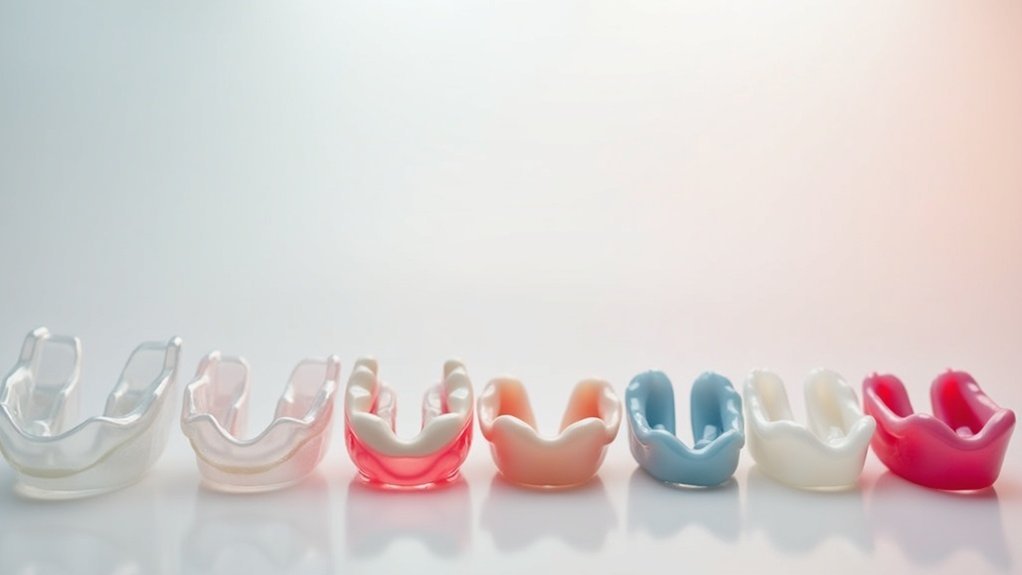
For TMD-related sensitivity, consider custom-made night guards to prevent grinding teeth and protect enamel wear. Desensitizing toothpaste can help alleviate discomfort, while anti-inflammatory medications may reduce inflammation and pain.
Professional interventions, such as splint therapy and physical therapy, can also provide substantial relief. However, a proper diagnosis by a dental specialist is vital to differentiate TMJ-related tooth sensitivity from other dental issues, ensuring you receive the most effective treatment and management plan tailored to your needs.
How TMJ Can Lead to Increased Sensitivity to Temperature
Increased sensitivity to temperature can arise from various factors related to temporomandibular joint (TMJ) disorders.
TMJ disorder often leads to muscle tension and teeth grinding, which can cause enamel erosion and expose sensitive dentin, heightening tooth sensitivity to hot and cold.
Additionally, misalignment of the jaw can place excessive pressure on specific teeth, contributing to discomfort and increased sensitivity.
Individuals may experience TMD symptoms even without visible dental damage, as TMJ issues can mimic or exacerbate typical dental problems.
Understanding these connections is crucial for effectively addressing temperature sensitivity linked to TMJ disorders.
Common Treatments for TMJ-Related Tooth Sensitivity
If you’re experiencing tooth sensitivity due to TMJ disorders, several effective treatments can help alleviate your discomfort.
Custom night guards can prevent teeth grinding and clenching, reducing TMJ-related pain. Over-the-counter pain relief medications like ibuprofen can minimize inflammation and discomfort.
Custom night guards and ibuprofen can effectively reduce TMJ-related pain and discomfort.
Engaging in physical therapy strengthens jaw muscles, improving range of motion and easing tension. Massage therapy may also relieve muscle tightness, further decreasing tooth sensitivity.
Additionally, using desensitizing toothpaste can provide symptomatic relief by protecting exposed dentin.
Together, these treatments can greatly enhance your quality of life and reduce the impact of TMJ-related tooth sensitivity.
At-Home Remedies for Managing TMJ Pain and Sensitivity
To manage TMJ pain and sensitivity at home, you can implement jaw relaxation techniques along with dietary adjustments.
Gentle exercises and mindful eating can greatly reduce discomfort and improve your overall jaw function.
Staying hydrated and avoiding extreme temperature foods will further help in minimizing sensitivity and irritation.
Jaw Relaxation Techniques
While managing TMJ pain and associated tooth sensitivity can be challenging, incorporating jaw relaxation techniques into your daily routine offers effective relief.
Gentle jaw stretching exercises can alleviate tension in the TMJ, helping reduce sensitivity to hot and cold stimuli.
Applying a warm compress for 15-20 minutes relaxes surrounding muscles, decreasing discomfort.
Deep breathing exercises lower stress levels, which may minimize clenching and grinding.
Additionally, massaging jaw muscles relieves muscle tension, enhancing jaw function.
Maintaining a soft diet prevents further strain, reducing inflammation and preventing exacerbation of TMJ symptoms and temperature sensitivity.
These strategies can greatly improve your comfort.
Dietary Adjustments for Sensitivity
Making dietary adjustments can play an essential role in managing tooth sensitivity linked to TMJ disorders.
To alleviate sensitivity, avoid acidic and sugary foods that can erode enamel. Opt for soft foods to reduce jaw strain and discomfort while eating. Staying hydrated is vital, as well as incorporating calcium-rich foods like dairy and leafy greens to strengthen your teeth and bones.
Limit extreme temperatures in food and beverages to prevent triggering sensitivity during meals. Additionally, a diet rich in anti-inflammatory foods, such as omega-3 fatty acids from fish, can help reduce overall inflammation associated with TMD, further benefiting tooth sensitivity.
When to Consult a TMJ Specialist for Tooth Pain Relief
If you’re experiencing persistent tooth sensitivity to hot and cold, it might be time to consult a TMJ specialist, as this symptom can signal underlying TMJ disorders that impact your dental health.
Accompanying symptoms like jaw pain, clicking sounds, or difficulty chewing warrant an evaluation. If you notice sensitivity alongside headaches or facial pain, seek a specialist to explore potential connections.
Early intervention can effectively manage symptoms and prevent further dental complications linked to tooth sensitivity. If standard treatments don’t provide relief, a consultation with a TMJ expert is essential to investigate TMD-related causes of your tooth pain.