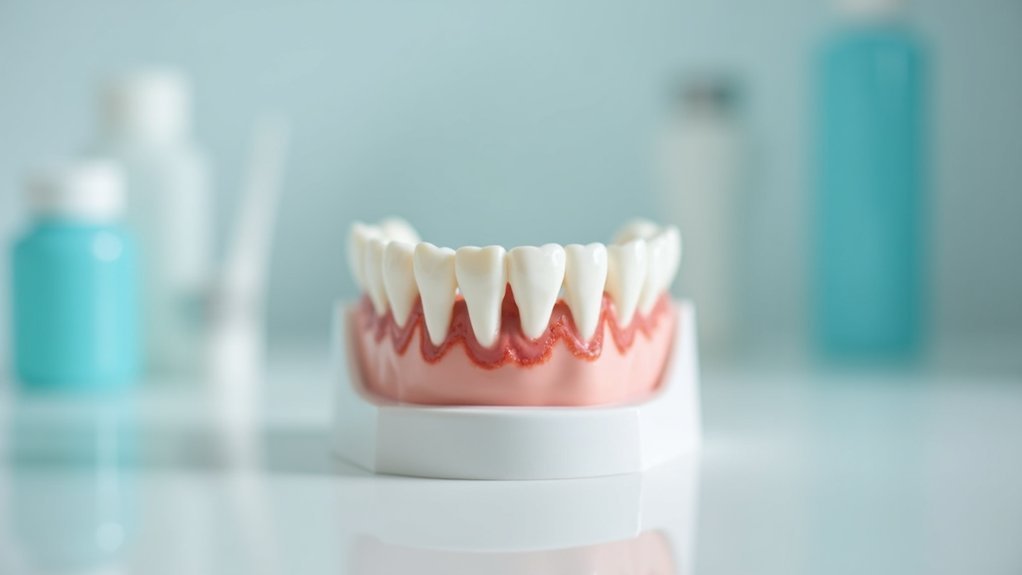

Yes, wisdom teeth can cause gingivitis, mainly due to their difficult positioning in the mouth. This location makes it challenging for you to maintain proper oral hygiene, leading to plaque buildup and gum inflammation. Symptoms may include swollen, bleeding gums and persistent bad breath. If left untreated, gingivitis can worsen, potentially causing more severe dental issues. To understand the connection between impacted wisdom teeth and gum health, consider exploring solutions and preventive measures.
Key Takeaways
- Wisdom teeth can become impacted, making oral hygiene difficult and increasing the risk of gum disease like gingivitis.
- Their location often leads to plaque buildup, which can irritate gums and cause inflammation.
- Symptoms of gingivitis, such as swollen and bleeding gums, can occur around wisdom teeth due to poor cleaning access.
- Untreated gingivitis may escalate into more severe dental issues, including periodontal disease, if wisdom teeth are not managed properly.
- Regular dental check-ups are vital for monitoring wisdom teeth and preventing gingivitis through professional cleaning and advice.
Understanding Wisdom Teeth and Their Eruption
Understanding wisdom teeth and their eruption is crucial for maintaining oral health, especially since they typically emerge between the ages of 17 and 25.
These third molars often become impacted due to limited space, making oral hygiene more challenging. When they’re trapped beneath the gum line, plaque buildup can occur, increasing the risk of gum disease.
Their position at the back of your mouth complicates brushing and flossing, leading to inadequate oral hygiene. Regular dental check-ups and X-rays are essential for monitoring their eruption and preventing potential complications.
Staying informed can help you maintain healthy gums and teeth throughout this process.
The Link Between Impacted Wisdom Teeth and Gum Disease
Impacted wisdom teeth not only pose challenges during their eruption but also considerably increase the risk of gum disease.
Their difficult location makes proper oral hygiene challenging, often resulting in plaque accumulation that can lead to gingivitis. This inflammation of gum tissue is exacerbated by bacteria and toxins from plaque buildup around these teeth.
Additionally, pericoronitis can develop from overgrown gum tissue surrounding partially erupted wisdom teeth, further heightening the risk of gingivitis.
Pericoronitis can arise from excess gum tissue around partially erupted wisdom teeth, increasing the risk of gingivitis.
Regular dental check-ups and timely extraction of impacted wisdom teeth are essential to prevent gum disease and maintain ideal oral health.
Stay proactive in caring for your teeth!
Symptoms of Gingivitis Related to Wisdom Teeth
Gingivitis related to wisdom teeth often manifests through several noticeable symptoms that can indicate underlying oral health issues.
You may notice red, swollen gums that bleed during brushing or flossing, especially around impacted wisdom teeth. Persistent bad breath and an unpleasant taste can signal plaque buildup and potential infection due to poor oral hygiene.
Additionally, tenderness or pain in the gums surrounding these teeth often indicates inflammation, a key symptom of gingivitis.
Swelling and discomfort in your jaw or face may also occur, emphasizing the importance of seeking a dental evaluation to address these concerns promptly.
How Plaque Buildup Occurs Around Wisdom Teeth
Cleaning your wisdom teeth can be challenging due to their position at the back of your mouth.
This difficulty, combined with their tendency to erupt at odd angles, creates areas where plaque can easily accumulate.
If not addressed, this buildup can lead to hardening into tartar and increase your risk of gingivitis and other gum issues.
Difficulty Cleaning Wisdom Teeth
Since wisdom teeth are often positioned at the back of your mouth, reaching them for proper cleaning can be quite challenging.
Their irregular angles can complicate your brushing and flossing efforts, leading to missed areas where plaque can thrive. When you neglect these spots, plaque buildup occurs, which hardens into tartar over time, damaging your enamel and inflaming your gums.
This increases your risk of gingivitis and gum disease. To combat these issues, prioritize your oral hygiene by dedicating time to thoroughly clean your wisdom teeth, ensuring you maintain a healthy mouth and prevent complications down the line.
Plaque Accumulation Factors
Many people struggle with plaque buildup around their wisdom teeth due to their challenging location in the mouth.
Partially impacted wisdom teeth often make it difficult to maintain good oral hygiene, as the awkward angles make brushing and flossing less effective.
Plaque accumulation occurs when food particles, sugars, and starches linger, creating a sticky film of bacteria.
If you don’t remove this plaque, it can harden into tartar, leading to tooth decay and gum issues.
Regular dental visits are essential to monitor these areas and guarantee professional cleanings can effectively eliminate tartar that’s hard to reach at home.
Consequences of Plaque Buildup
Plaque buildup around wisdom teeth can lead to serious consequences for your oral health. Food particles and sugars accumulate, allowing bacteria to thrive, especially in those hard-to-reach areas.
If neglected, plaque hardens into tartar, irritating your gums and potentially resulting in gingivitis. Impacted wisdom teeth pose additional challenges, making it even harder to maintain effective oral hygiene.
Regular brushing and flossing are essential to keep plaque at bay, yet many overlook these regions. Taking proactive steps to care for your wisdom teeth can prevent complications and guarantee better overall dental health.
Prioritize your oral hygiene to serve yourself and others.
Complications Arising From Untreated Gingivitis
Untreated gingivitis can lead to significant complications that affect not only your oral health but also your overall well-being.
As gum disease progresses, it can result in periodontal pockets that trap bacteria, worsening oral infections. Chronic gingivitis often causes persistent bad breath due to plaque accumulation.
Furthermore, the bacteria from your mouth can enter the bloodstream, increasing the risk of systemic issues like heart disease and diabetes.
Advanced cases may even lead to painful abscesses in the gums, necessitating surgical intervention.
Addressing gingivitis promptly is essential to prevent these serious dental problems and maintain your health.
Treatment Options for Impacted Wisdom Teeth and Gingivitis
Gingivitis can greatly worsen if complications like impacted wisdom teeth aren’t addressed. Effective treatment for impacted wisdom teeth often involves surgical removal, preventing plaque buildup that leads to gingivitis.
To manage your oral health, consider these key practices:
- Maintain good oral hygiene by brushing and flossing regularly.
- Schedule professional cleanings to eliminate hard-to-reach plaque and tartar.
- Follow your dentist’s aftercare instructions post-extraction for proper healing.
Regular dental check-ups are essential for monitoring gum health and detecting any signs of gingivitis early.
Taking these steps can considerably improve your oral health and prevent further complications.
Importance of Regular Dental Check-Ups for Oral Health
Regular dental check-ups are essential for catching potential issues with your wisdom teeth and preventing complications like gingivitis.
During these visits, your dentist can provide professional cleanings that remove plaque buildup and monitor the positioning of your teeth through X-rays.
This proactive approach not only helps maintain your oral health but also equips you with personalized advice on effective hygiene practices.
Early Detection of Issues
While many people overlook the importance of dental check-ups, these visits are essential for identifying potential issues with wisdom teeth that could lead to serious oral health problems.
Regular dental check-ups enable:
- Early detection of impacted wisdom teeth, preventing complications.
- Assessment of gum health to avoid gingivitis.
- Monitoring of oral hygiene practices to maintain ideal cleaning habits.
Preventive Care Benefits
Though many might underestimate the significance of routine dental visits, they play an essential role in maintaining your oral health, particularly regarding wisdom teeth and gum health.
Regular dental check-ups allow for early detection of issues related to wisdom teeth, helping prevent gingivitis and other gum diseases. During these visits, your dentist can assess tooth positioning and recommend timely extractions if necessary, reducing plaque buildup.
Additionally, you’ll receive personalized oral hygiene advice to enhance your brushing and flossing techniques. By prioritizing preventive care benefits, you can safeguard your oral health and guarantee a healthy future for your gums and teeth.
Professional Cleaning Importance
To maintain ideal oral health, it’s vital to recognize the importance of professional cleanings during your dental check-ups.
These cleanings play a significant role in preventing issues, especially around your wisdom teeth. Here’s why they matter:
- They effectively remove plaque buildup and tartar, reducing the risk of gum disease.
- Regular visits allow professionals to assess the positioning of your wisdom teeth, recommending extraction if necessary.
- Early detection of gingivitis helps manage gum health before it escalates.