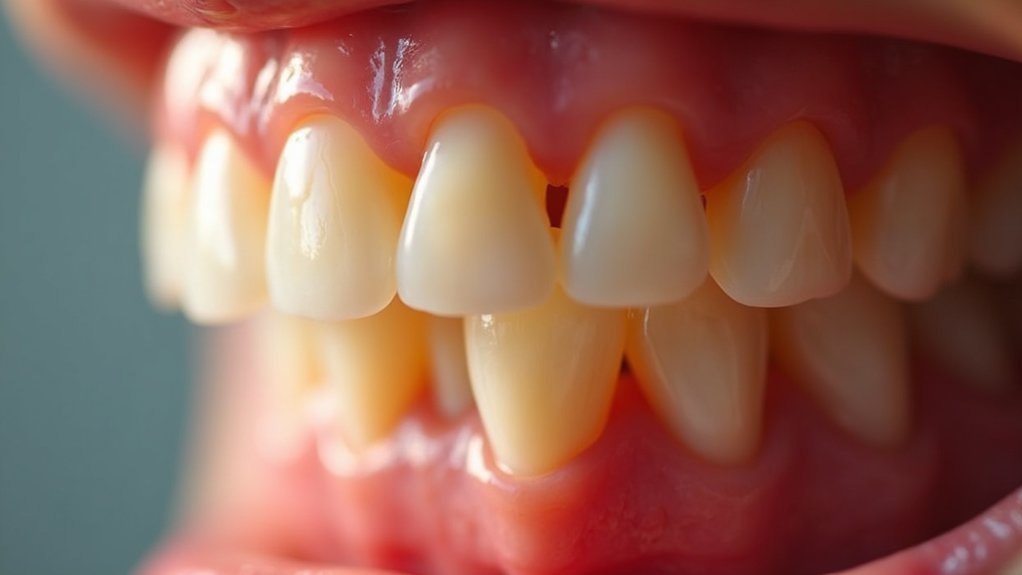

Yes, testosterone affects your teeth. Low testosterone levels increase your risk of gum disease and oral health issues, as they impair your immune response and bone density related to your gums. Symptoms like persistent bleeding gums and dry mouth can signal declining testosterone levels. Regular dental checkups are essential for spotting these problems early and maintaining oral health. If you’re curious about how to maintain healthy testosterone levels and their impact on your dental care, keep exploring.
Key Takeaways
- Low testosterone levels are linked to increased risks of gum disease and other oral health issues.
- Symptoms of low testosterone, such as bleeding gums and dry mouth, can negatively impact dental health.
- Research shows that hormonal changes can lead to bone loss, affecting gum health and tooth stability.
- Regular dental checkups are essential for early detection of testosterone-related oral health complications.
- Maintaining balanced testosterone levels is crucial for reducing the risk of tooth loss and promoting overall dental hygiene.
The Connection Between Testosterone and Oral Health
As you age, understanding the connection between testosterone and oral health becomes essential, particularly since low testosterone levels can have considerable implications for your dental well-being.
Research indicates that diminished testosterone is linked to increased risks of gum disease, primarily through its adverse effects on bone density and the immune response against oral bacteria.
Symptoms like persistent bleeding gums and dry mouth signal potential testosterone-related issues. Men should monitor hormone levels, as untreated declines can lead to severe periodontal problems.
Evidence From Primate Studies
Primate studies provide compelling evidence linking testosterone levels to oral health, particularly in the context of periodontitis.
Research at Texas A&M University indicates that castrated macaques show a marked increase in periodontal issues compared to their intact counterparts, underscoring testosterone’s protective role.
These findings highlight the critical influence of hormonal status on dental conditions, warranting further investigation into the mechanisms involved.
Primate Study Findings
Research has revealed significant insights into the relationship between testosterone levels and oral health in macaques, underscoring the hormone’s importance in preventing periodontitis. A study showed that castrated macaques exhibited severe signs of periodontal disease, while intact males had minimal issues. This correlation highlights testosterone’s critical role in maintaining gum health.
| Group | Periodontitis Severity | Jawbone Recession |
|---|---|---|
| Intact Macaques | Minimal | Low |
| Castrated Males | Severe | High |
| Younger Castrated | Moderate | Moderate |
| Older Castrated | Severe | Pronounced |
These findings suggest a broader application for understanding oral health in humans.
Periodontitis and Testosterone Link
The connection between testosterone levels and periodontal health becomes increasingly evident when examining the findings from studies on macaques.
Research indicates that castrated macaques exhibit significant signs of periodontitis, with older individuals showing severe jaw bone recession compared to their intact counterparts.
Even younger castrated macaques demonstrate oral health issues, underscoring how the absence of testosterone adversely impacts gum health.
These findings highlight the critical role testosterone plays in preventing periodontitis and maintaining oral health.
Awareness of this link is essential, as it may have significant implications for understanding periodontal disease risks in humans, particularly regarding testosterone levels.
Impact of Low Testosterone on Gum Disease
Low testosterone greatly impacts your oral health, particularly in relation to gum disease.
Research indicates that lower testosterone levels correlate with increased symptoms of periodontitis, such as gum recession and inflammation.
Understanding this relationship is essential for developing effective prevention and treatment strategies for gum disease in individuals with low testosterone.
Testosterone’s Role in Health
While many factors contribute to gum health, a significant link exists between testosterone levels and periodontal disease, particularly in older men.
Low testosterone can impair your body’s ability to combat oral bacteria, increasing susceptibility to infections and gum disease. Research shows that decreased testosterone correlates with bone loss, which negatively affects both gum health and tooth stability.
Symptoms like bleeding gums and dry mouth indicate potential oral health issues that shouldn’t be ignored. Maintaining healthy testosterone levels is vital to preserving bone density, ultimately reducing the risk of tooth loss and promoting overall periodontal health.
Gum Disease Symptoms
When testosterone levels dip, you may notice troubling symptoms of gum disease that signal underlying oral health issues.
Persistent bleeding gums often indicate periodontal problems, which can worsen with low testosterone levels. Reduced testosterone can lead to decreased bone density, increasing tooth sensitivity and the risk of tooth loosening.
Additionally, low testosterone affects saliva production, resulting in dry mouth, which heightens the likelihood of gum disease and cavities.
Recognizing these symptoms is vital, as early detection can help you address oral health complications linked to low testosterone levels, ensuring better overall dental well-being and longevity.
Prevention and Treatment Options
Understanding the link between low testosterone levels and gum disease is crucial for effective prevention and treatment. Individuals should prioritize regular dental checkups and maintain rigorous oral hygiene practices to reduce their risk of periodontal issues.
Preventive measures, such as daily brushing and flossing, can help combat the effects of low testosterone, which may lead to tooth instability and heightened susceptibility to infections. Awareness of symptoms like bleeding gums and dry mouth encourages timely dental visits.
Treatment options, including professional cleanings and targeted therapeutic interventions, are essential for managing gum disease and preserving overall oral health in those affected by low testosterone levels.
Recognizing Symptoms of Testosterone-Related Oral Issues
How can you recognize the symptoms of testosterone-related oral issues? Being aware of these signs can help you address potential problems early:
- Persistent bleeding gums: This could indicate gum disease linked to low testosterone affecting your oral health.
- Dry mouth: Reduced saliva production may lead to this condition, increasing your risk for cavities and infections.
- Tooth sensitivity or looseness: Declining testosterone levels can reduce bone density around your teeth, making them less stable.
Importance of Regular Dental Checkups for Men
While many men overlook the importance of regular dental checkups, doing so can greatly impact their oral health, especially as testosterone levels decline with age.
Men are less likely to schedule these essential dental check-ups, which can result in undetected issues like gum disease and tooth loss. As testosterone typically decreases after age 30, it’s vital to visit the dentist at least twice a year.
Consistent check-ups empower you to address unique oral health challenges, ensuring informed decisions about your oral and overall health. Prioritizing preventive care helps maintain peak health as you age.
Don’t wait—schedule your appointment today.
Lifestyle Tips for Maintaining Healthy Testosterone Levels
Regular dental checkups not only support oral health but can also reflect broader health issues, including hormonal balance.
Regular dental checkups are essential not just for oral health but also for detecting potential hormonal imbalances.
To maintain healthy testosterone levels and overall health, consider these lifestyle tips:
- Engage in regular strength training and cardiovascular exercises.
- Incorporate healthy fats from avocados, nuts, and olive oil into your diet.
- Aim for 7-9 hours of quality sleep each night.
The Role of Hormone Replacement Therapy
Hormone Replacement Therapy (HRT) plays a crucial role in restoring testosterone levels in men, which can subsequently enhance oral health.
By effectively increasing testosterone, HRT can reduce the risk of gum disease and improve bone density around teeth. Research shows that testosterone replacement boosts saliva production, important for minimizing cavities and dry mouth.
Furthermore, patients often experience fewer dental issues, such as bleeding gums and tooth sensitivity, thanks to maintained gum tissue health. Engaging with healthcare providers to monitor testosterone levels and discuss HRT options is essential for men, as these factors considerably influence their dental health.
Seeking Professional Dental Care for Optimal Health
To maintain ideal oral health, it’s crucial to seek professional dental care, especially for men who may be experiencing the effects of declining testosterone levels.
Regular checkups can help mitigate risks associated with hormonal changes.
Consider these key aspects:
- Early detection of gum disease and tooth loss
- Professional cleaning to address dry mouth and bleeding gums
- Holistic practices linking oral health to overall well-being