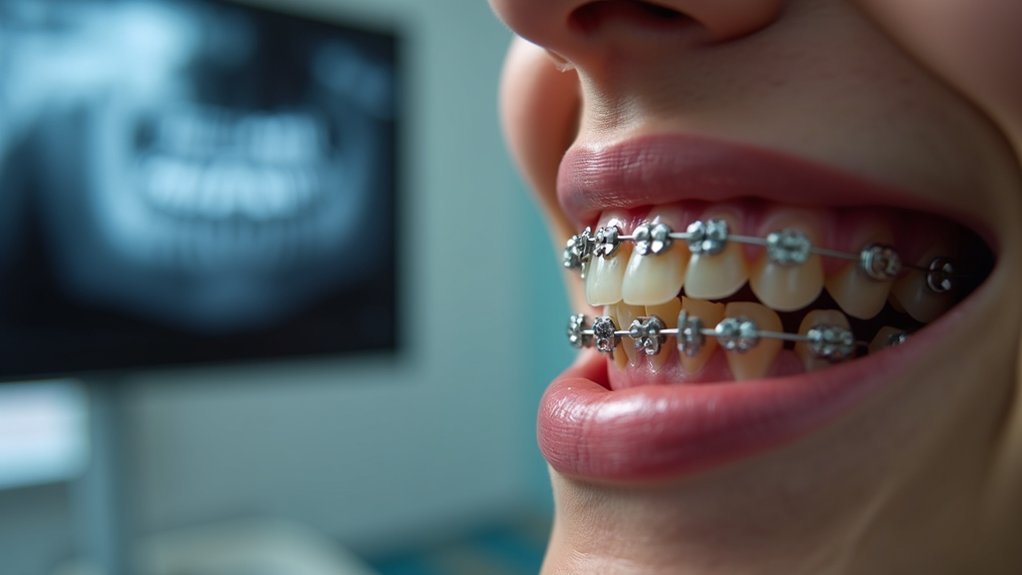

Yes, you can get braces even if you have your wisdom teeth. Their presence alone won’t automatically interfere with your treatment. An orthodontist will evaluate the positioning of your wisdom teeth before starting braces. If they’re properly positioned, they can remain in place. However, if they cause crowding or potential issues, removal might be recommended. Scheduling a consultation will provide you with a tailored plan for your orthodontic needs and what to expect during treatment.
Key Takeaways
- Braces can be applied with wisdom teeth present, but their position will be evaluated by an orthodontist before treatment begins.
- Properly positioned wisdom teeth may remain during braces treatment, while misaligned or impacted ones may need to be removed.
- Extraction timing for wisdom teeth can vary; it may occur before, during, or after braces placement, based on individual needs.
- Regular monitoring of wisdom teeth is essential during orthodontic treatment to address any overcrowding or alignment issues.
- Consultation with an orthodontist is crucial for personalized advice regarding braces and the management of wisdom teeth.
What Are Wisdom Teeth?
Wisdom teeth, or third molars, are the final set of molars that typically emerge in your late teens to early twenties, usually between the ages of 17 and 21.
About 25% of people have 1-3 wisdom teeth, while 35% have none at all. X-rays play an essential role in evaluating their presence and condition.
Sometimes, wisdom teeth become impacted due to insufficient jaw space, leading to pain and complications.
While some individuals may require removal through oral surgery, others can keep their wisdom teeth without issues, particularly if they don’t interfere with orthodontic treatment or crowding.
Can You Get Braces With Wisdom Teeth?
You can get braces even if you have wisdom teeth, but your orthodontist will evaluate their positioning first.
This assessment helps determine if any extractions are necessary to avoid overcrowding during treatment.
Close monitoring of your wisdom teeth throughout the process guarantees any potential issues are addressed promptly.
Braces With Wisdom Teeth
While many people wonder whether braces can be applied with wisdom teeth still in place, the answer is generally yes.
Orthodontists assess the position of your wisdom teeth before starting treatment. If they’re properly positioned and not causing issues, braces can even be cemented on them.
However, if overcrowding or complications arise from impacted wisdom teeth, your orthodontist may recommend removal during orthodontic treatment to guarantee the effectiveness of your braces.
Not all wisdom teeth require extraction; some can remain if there’s enough space in your jaw and they don’t cause problems.
Always consult your orthodontist for personalized advice.
Evaluation of Impacted Teeth
When evaluating impacted teeth, your orthodontist will closely examine the position of your wisdom teeth to determine their potential impact on orthodontic treatment.
This evaluation is essential, as properly positioned wisdom teeth may not necessitate extraction, allowing for an uninterrupted treatment plan.
However, if overcrowding is evident, your orthodontist might recommend extraction to achieve ideal results.
In some cases, experienced orthodontists may even choose to cement braces on third molars if they’re healthy and positioned correctly.
Ultimately, understanding the role of wisdom teeth in your dental alignment is key to developing a personalized orthodontic strategy.
Timing of Extractions
Evaluating the position of wisdom teeth is a fundamental aspect of planning orthodontic treatment, particularly regarding the timing of potential extractions.
An orthodontist may recommend removing wisdom teeth if there’s insufficient space for proper alignment, which can hinder your progress. The timing of extractions may vary; procedures can happen before, during, or after braces installation, depending on individual cases.
Coordination between orthodontists and oral surgeons is essential for aligning extraction timing with your overall treatment plan. Regular evaluations by dental professionals during your orthodontic journey help determine if an impacted wisdom tooth needs removal to guarantee effective alignment and prevent complications.
Do I Need My Wisdom Teeth Removed?
Are you wondering whether you need to have your wisdom teeth removed? The decision largely depends on your individual dental conditions.
If there’s enough space for your wisdom teeth to erupt without causing issues, extraction may not be necessary. However, if you have an impacted tooth or experience pain, infection, or crowding of adjacent teeth, wisdom teeth removal might be essential.
Orthodontists evaluate these factors during your assessment before starting orthodontic treatment. Regular dental care and monitoring can help prevent complications, ensuring your braces results remain intact by addressing problematic wisdom teeth early on.
Types of Impacted Wisdom Teeth
Understanding the types of impacted wisdom teeth is essential for making informed decisions about your dental health. Here are the four main types:
- Mesial Impacted: Angled towards the second molar, risking pericoronitis and infection due to partial eruption.
- Horizontal Impaction: Lies flat, potentially damaging the second molar’s root and creating pressure on adjacent teeth.
- Distal Impaction: Rare, angled towards the back, sharing traits with mesial-impacted teeth.
- Vertical Impaction: Correctly positioned and less likely to cause complications, often monitored rather than removed during orthodontic treatment.
Knowing these helps determine if wisdom teeth need to be removed for ideal alignment.
What Happens if Wisdom Teeth Erupt During Treatment?
When wisdom teeth erupt during your orthodontic treatment, your orthodontist will assess the situation to determine whether extraction is necessary. They’ll evaluate potential damage to other teeth and the risk of gum disease.
If extraction is needed, they may detach brackets or wires to facilitate the process. Regular monitoring of your wisdom teeth’s position is essential to maintain the integrity of your braces.
In some cases, adjustments can be made to accommodate erupting wisdom teeth, depending on the alignment issues they may cause. Timely intervention can prevent complications associated with impacted teeth during your ongoing treatment.
Do Wisdom Teeth Misalign Other Teeth?
You might wonder if wisdom teeth can misalign your other teeth.
While impacted wisdom teeth generally lack the force needed to cause displacement, you should still monitor them during orthodontic treatment.
Understanding the real causes of misalignment can help you maintain proper dental positioning throughout your braces journey.
Impact of Wisdom Teeth
Although many people worry that wisdom teeth can misalign adjacent teeth, the reality is that impacted wisdom teeth typically lack the force needed to cause displacement.
Misalignment concerns often stem from other dental issues, not wisdom teeth. Here’s what you should consider regarding their impact on your dental health:
- Overcrowding: Other teeth may shift due to insufficient space.
- Impacted Wisdom: These teeth can lead to potential complications.
- Extraction Recommendations: Orthodontists may suggest removal to prevent issues.
- Monitoring: Regular check-ups are essential during orthodontic treatment to address any emerging concerns.
Misalignment Causes Explained
While many believe wisdom teeth can cause misalignment in adjacent teeth, the reality is that other factors play a much more significant role.
Impacted wisdom teeth typically lack the force to push against nearby teeth, consequently not directly causing misalignment. Instead, jaw shape changes over time and improper retainer use are primary contributors.
Studies show that teeth can shift naturally, resulting in crowding regardless of wisdom teeth presence. Regular monitoring by your orthodontist can help address potential issues, ensuring proper orthodontic treatment focuses on the actual causes of misalignment rather than attributing them to wisdom teeth alone.
Monitoring and Prevention Strategies
Monitoring the development of wisdom teeth is essential in maintaining perfect dental alignment, as these third molars can lead to complications if not properly managed.
To guarantee ideal dental health and prevent issues during orthodontic treatment, consider these strategies:
- Schedule regular dental check-ups for early identification of wisdom teeth-related problems.
- Monitor the positioning of wisdom teeth to detect potential crowding or infection.
- Wear retainers as recommended to preserve orthodontic results.
- Discuss extraction options with your orthodontist if wisdom teeth become impacted or problematic.
Planning for Outstanding Results
To achieve outstanding results in orthodontic treatment, a thorough evaluation of your wisdom teeth is essential. Evaluating their position and potential complications before starting braces can prevent issues like overcrowding and misalignment. Understanding the type of impaction and growth patterns helps in planning effective strategies. Early intervention regarding wisdom teeth enhances treatment success.
Here’s a quick reference:
| Wisdom Teeth Assessment | Impact on Orthodontics |
|---|---|
| Position | Affects alignment |
| Type of Impaction | Influences treatment plan |
| Monitoring | Guarantees timely interventions |
| Early Intervention | Prevents future issues |
Schedule Your Complimentary Consultation
Scheduling your complimentary consultation is a vital step toward achieving the finest results with your orthodontic treatment.
At Smiles by the Bay, you’ll receive an extensive evaluation to assess your orthodontic needs, specifically regarding your wisdom teeth.
Here’s what to expect:
- An experienced orthodontist will examine your wisdom teeth’s positioning.
- X-rays will determine their presence and condition.
- You’ll discuss the potential impact on your braces treatment.
- Early planning guarantees excellent results with proactive solutions.
Don’t hesitate—schedule your complimentary consultation online or in-person for personalized care tailored to your needs!