Yes, you can get Invisalign treatment even if you have missing teeth. The aligners can help prepare your mouth for potential implants and improve overall oral health. However, missing teeth may complicate the movement of aligners and potentially extend treatment duration. It’s essential to have a thorough assessment by an orthodontist to create a customized treatment plan. You’ll discover more about the benefits, challenges, and professional guidance needed for ideal results.
Key Takeaways
- Yes, missing teeth do not automatically exclude eligibility for Invisalign treatment.
- Invisalign can help prepare alignment for future dental implants or replacements.
- Gaps from missing teeth may complicate the effectiveness and duration of treatment.
- A thorough professional assessment is essential to determine the best approach.
- Alternative orthodontic solutions, like braces or implants, may be recommended depending on individual circumstances.
Understanding Invisalign
Invisalign represents a significant advancement in orthodontic treatment, offering you a discreet and effective way to align your teeth.
Invisalign revolutionizes orthodontics, providing a discreet and effective solution for aligning your teeth.
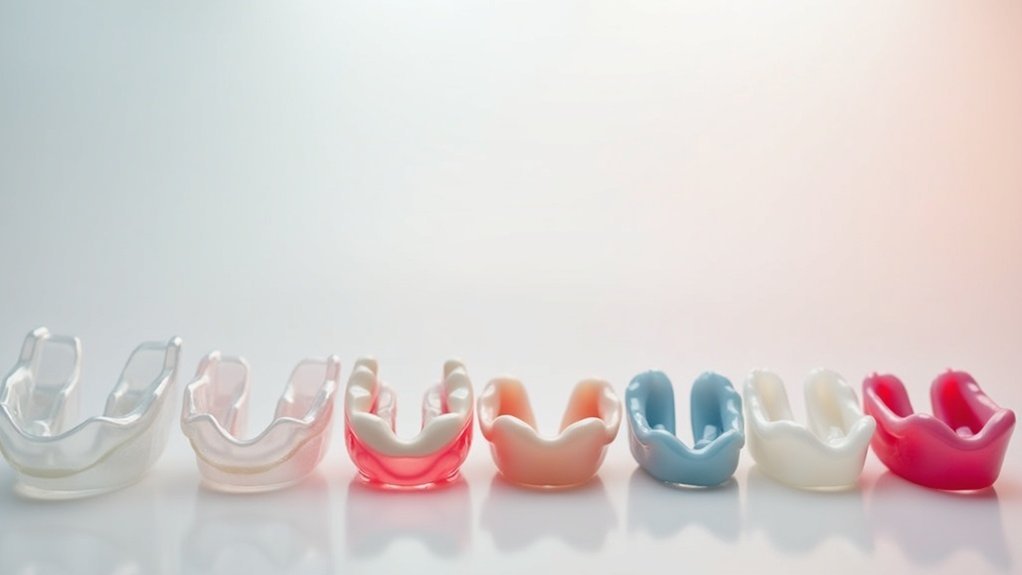
This custom treatment plan employs a series of BPA-free plastic aligners, designed to be virtually invisible. You’ll wear each set for about 22 hours daily, replacing them every two weeks as your teeth shift into their desired positions.
Advanced technology allows for precise mapping of your individual dental needs, addressing various alignment issues like gaps and crooked teeth.
With proper dental care, Invisalign can enhance your smile efficiently, making it a comfortable alternative to traditional braces, even with missing teeth considerations.
Invisalign and Missing Teeth
While missing teeth can present challenges in orthodontic treatment, they don’t automatically exclude you from benefiting from Invisalign. This innovative approach can effectively address alignment issues by adjusting surrounding teeth. Here’s a quick overview:
| Treatment Aspect | Benefits | Considerations |
|---|---|---|
| Invisalign’s Role | Prepares alignment for implants | Gaps may affect effectiveness |
| Dental Implants | Creates space for replacements | Requires thorough assessment |
| Orthodontic Treatment | Minimizes shifting and cavities | Must evaluate gum health |
Challenges of Invisalign With Missing Teeth
When you have missing teeth, Invisalign treatment can pose several challenges.
The aligners depend on neighboring teeth for support, which complicates effective movement and may extend the treatment duration.
You might also require alternative solutions, such as dental implants or bridges, to achieve ideal alignment and support during your Invisalign journey.
Support From Neighboring Teeth
The effectiveness of Invisalign aligners largely hinges on the presence and stability of neighboring teeth. With missing teeth, gaps disrupt the consistent pressure required for ideal movement, potentially compromising your treatment’s efficacy. Additionally, neighboring teeth may shift, complicating your alignment goals.
Here’s a quick overview of these challenges:
| Factor | Impact on Invisalign | Solutions |
|---|---|---|
| Missing Teeth | Inconsistent force | Additional dental work |
| Shifting Teeth | Alignment complications | thorough assessment |
| Treatment Efficacy | Extended timeline | Customized treatment plan |
Consider these factors carefully when seeking Invisalign treatment with missing teeth.
Treatment Duration Considerations
Considering the impact of missing teeth on your Invisalign treatment, you may find that gaps can greatly extend the duration of your orthodontic care.
Missing teeth hinder aligners from applying necessary pressure, complicating alignment efforts. Additionally, adjacent teeth might shift, further altering your dental structure and prolonging treatment duration.
If you have multiple missing teeth, restorative treatments could be essential before starting Invisalign, adding to the timeline for achieving your desired results.
A thorough assessment is vital, as your individual smile goals and the extent of tooth loss will guide a tailored approach to your orthodontic plan and success.
Alternative Solutions Needed
While Invisalign can effectively straighten teeth, missing teeth present unique challenges that often require alternative solutions.
When you have gaps created by missing teeth, aligners may struggle to apply necessary pressure for effective movement, potentially prolonging your orthodontic treatment.
It’s essential to conduct a thorough assessment of your dental situation to determine if you can use Invisalign with missing teeth.
In cases with multiple gaps, you might need dental implants or bridges to restore support before starting treatment.
This combination of restorative dentistry and orthodontic treatment guarantees proper alignment and stability, allowing for a more successful outcome.
Benefits of Getting Aligners With Invisalign
Getting Invisalign aligners offers significant benefits for your oral health and self-confidence.
By properly aligning your teeth, you can improve gum health and simplify your dental hygiene routine, reducing the risk of cavities.
Additionally, as your smile transforms, you’ll likely experience a boost in self-esteem, especially if you have gaps due to missing teeth.
Improved Oral Health
When you choose Invisalign, you’re not just straightening your teeth; you’re considerably enhancing your oral health.
Aligners can help manage missing teeth effectively, promoting healthier gum tissues and bone structures. Properly aligned teeth make brushing and flossing easier, leading to better dental hygiene and fewer cavities.
This dental treatment creates space for future restorations or replacements, ensuring long-term oral health outcomes. By improving your smile, you also encourage regular dental care habits, reducing the risk of gum disease.
Ultimately, Invisalign not only transforms your appearance but also serves as a foundation for a healthier mouth.
Enhanced Self-Confidence
Invisalign not only enhances your oral health but also greatly boosts your self-confidence.
Even with missing teeth, Invisalign can align surrounding teeth, improving your dental aesthetics and creating a more uniform smile. Properly aligned teeth make oral hygiene easier, reducing the risk of cavities and gum disease, further elevating your self-esteem.
Additionally, Invisalign creates space for future tooth restorations, allowing you to feel secure about your smile while awaiting permanent solutions. The clear aligners are discreet, helping you avoid the self-consciousness often associated with traditional braces, empowering you to smile more freely and confidently.
Complications of Invisalign Treatment
While many patients seek Invisalign for its aesthetic benefits, complications can arise during treatment, particularly for those with missing teeth. Healthy gum and bone tissues are essential for successful tooth movement; gum disease can lead to infections, complicating the alignment process. Missing teeth may also cause tilting or shifting, further hindering effectiveness and prolonging treatment duration.
| Complication | Impact on Treatment | Management Strategies |
|---|---|---|
| Gum Disease | Infections, delayed healing | Periodontal treatment |
| Missing Teeth | Misalignment risks | Orthodontic evaluation |
| Poor Bone Health | Ineffective tooth movement | Bone grafting options |
| Unhealthy Gums | Prolonged treatment | Improved oral hygiene |
Consultation and Next Steps
Before starting your Invisalign journey, it’s crucial to consult a qualified orthodontist who can thoroughly assess your dental health and alignment concerns, especially if you have missing teeth.
During this consultation, the orthodontist will evaluate your gums and surrounding teeth, determining if Invisalign is appropriate for you. You’ll discuss your smile goals and address concerns about missing teeth, leading to a personalized treatment plan.
This plan may integrate restorative procedures to guarantee the best results. Scheduling a consultation is easy and is your first step toward achieving the smile you desire while addressing any alignment and restoration needs effectively.