
Dental crowns can be considerably stronger than your natural teeth, providing enhanced durability, especially in high-stress areas like molars. Made from materials like porcelain and zirconia, crowns can be up to 15 times stronger than teeth. However, they may chip under pressure and require proper care to maintain their longevity. Factors such as lifestyle choices and oral hygiene impact their strength. If you’re curious about how to care for crowns, there’s more helpful information available.
Key Takeaways
- Dental crowns can be 10 to 15 times stronger than natural teeth, depending on the material used.
- Zirconia crowns are particularly durable, being up to 15 times stronger than natural enamel.
- While crowns offer significant protection, they do not exceed the strength of healthy enamel.
- Proper care, including good oral hygiene and regular dental visits, enhances the longevity of crowns.
- Crowns can chip or crack under pressure, especially porcelain crowns, so maintenance is crucial for durability.
Understanding Dental Crowns
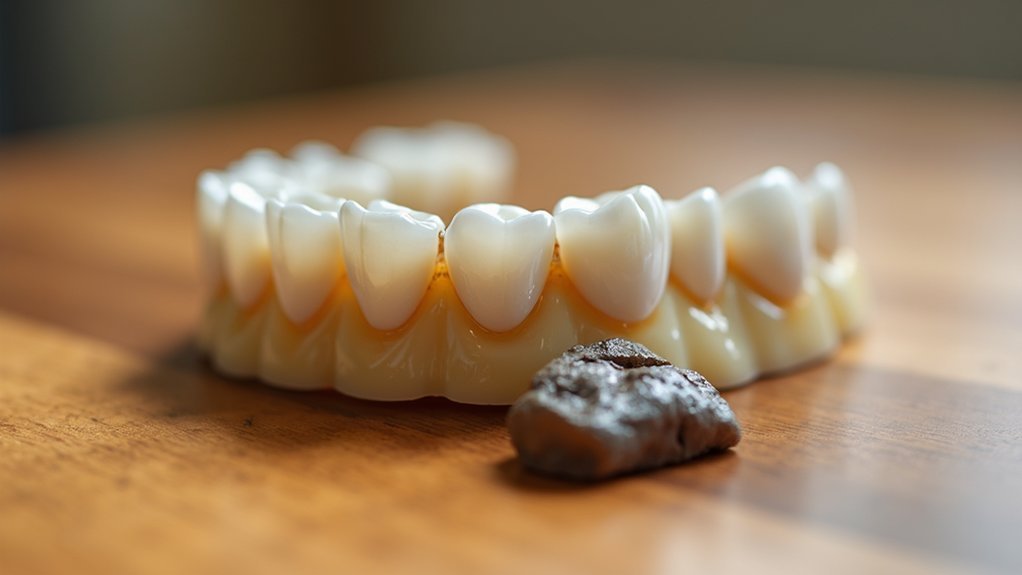
Dental crowns play a crucial role in restorative dentistry by acting as protective caps for damaged or weakened teeth.
These prosthetic devices restore the shape, size, strength, and appearance of your teeth, ensuring normal function. Crafted from durable materials like porcelain and metal alloys, dental crowns are specifically designed for the rigors of chewing and biting.
While they can be 10 to 15 times stronger than natural teeth, they don’t fully replicate tooth structure. Proper care, including regular brushing and dental check-ups, is essential for maintaining both crowns and natural teeth, safeguarding your investment in restoring damaged teeth effectively.
Strength and Durability
When comparing the strength and durability of crowns to natural teeth, you’ll find that crowns, especially zirconia ones, can be markedly stronger—up to 15 times more resilient.
While materials like porcelain and ceramic closely mimic the durability of natural enamel, they still require proper care to prevent chipping or fracturing.
Understanding the factors that influence crown longevity, such as material choice and oral hygiene, is vital for maintaining their effectiveness over time.
Material Strength Comparison
While natural teeth possess inherent strength, dental crowns made from materials like zirconia greatly enhance durability and performance.
Zirconia crowns can be 10 to 15 times stronger than your teeth, making them ideal for high-stress areas like molars.
Porcelain crowns provide effective resistance to everyday chewing forces but don’t match the strength of healthy enamel.
Although ceramic crowns offer aesthetic appeal, they remain durable under normal conditions.
The choice of dental crown materials considerably affects strength and longevity, with zirconia being the most robust.
Regular dental care is essential to maintain the performance of these crowns, ensuring lasting benefits for your patients.
Natural vs. Crown Durability
Natural teeth, renowned for their strength, face competition from crowns designed to restore and enhance dental function.
While crowns can be 10 to 15 times stronger than natural teeth, offering significant protection, they still don’t surpass the strength of healthy enamel, one of the hardest substances in the body.
Porcelain and ceramic crowns withstand chewing pressures effectively, while zirconia crowns excel in high-stress areas.
However, your crowns’ durability relies on proper care and maintenance, including good oral hygiene and regular check-ups.
Factors like dietary habits and lifestyle choices also play an essential role in the performance of both crowns and natural teeth.
Factors Affecting Crown Longevity
The longevity of dental crowns is influenced by several key factors, each playing a considerable role in ensuring they remain effective over time.
To maximize crown longevity, consider these aspects:
- Material choice: Porcelain and ceramic crowns can chip under excessive pressure.
- Oral hygiene practices: Daily brushing and flossing maintain surrounding health.
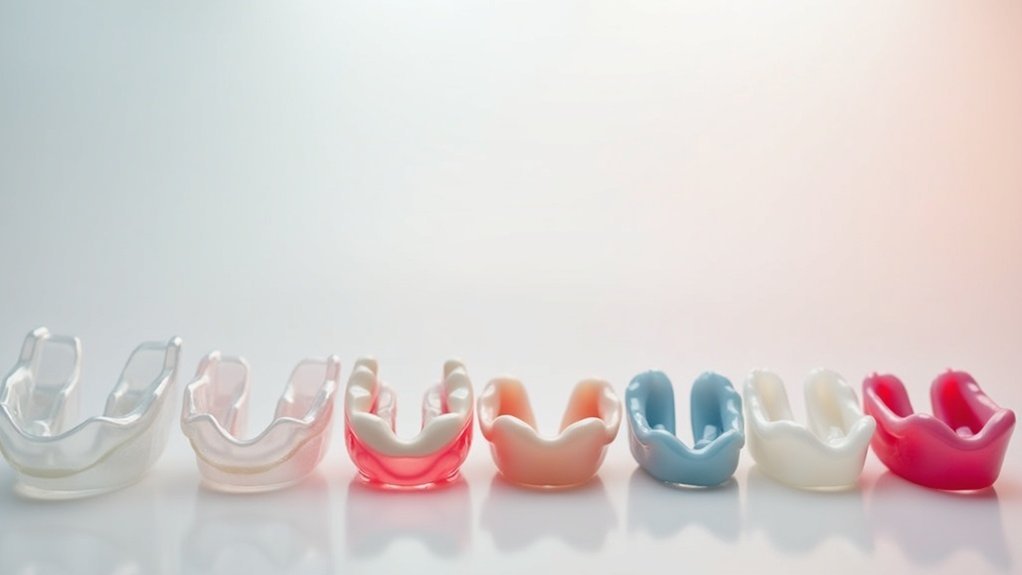
- Teeth grinding: Clenching can greatly impact durability; night guards may help.
- Dental check-ups: Regular visits monitor crown condition and underlying tooth health.
Natural Tooth Strength
Your natural teeth consist of multiple layers, with enamel being the strongest, offering a robust defense against everyday wear.
However, factors like decay, trauma, and poor oral hygiene can compromise this strength, making preventive care essential.
Understanding these vulnerabilities helps you appreciate the importance of maintaining your natural tooth structure.
Natural Tooth Composition
Teeth are remarkable structures composed of multiple layers that work together to create strength and durability. Understanding their composition is vital for appreciating their functionality:
- Enamel, the hardest substance in the human body, protects against wear.
- Dentin, the underlying layer, offers resilience despite being softer than enamel.
- Natural teeth can endure functional forces, aiding in chewing and speaking.
- Unlike dental crowns, natural teeth have nerve endings, allowing for sensitivity.
While natural teeth exhibit exceptional strength, they can chip or crack under excessive pressure, highlighting the significance of dental care to maintain their integrity.
Enamel Durability Factors
While enamel is renowned for its durability, several factors can compromise its strength over time. Understanding these factors is essential for maintaining your natural tooth integrity.
| Factor | Impact on Enamel | Prevention Strategies |
|---|---|---|
| Acidic Foods | Causes wear and decay | Limit intake, rinse after |
| Teeth Grinding | Leads to chipping & wear | Use a night guard |
| Poor Oral Hygiene | Increases cavities | Regular brushing & flossing |
| Age | Natural wear over time | Routine dental check-ups |
Vulnerabilities of Natural Teeth
Natural teeth, despite their remarkable strength due to their layered structure, face various vulnerabilities that can compromise their integrity.
These vulnerabilities can lead to the need for restorative treatments like crowns. Key factors include:
- Enamel weakening from acidic foods and beverages
- Damage from bruxism (teeth grinding)
- Tooth decay due to poor oral hygiene
- Sensitivity from nerve endings in natural teeth
Once enamel is damaged, it doesn’t regenerate, leaving natural teeth at risk.
Understanding these vulnerabilities is essential for maintaining dental health and deciding when restorative treatments may be necessary for peak functionality and aesthetics.
Longevity of Dental Crowns
Dental crowns typically last between 5 and 20 years, but their longevity can vary based on several critical factors.
The material choice, dental skill, and your oral hygiene practices play significant roles in determining durability. Generally, front teeth crowns endure less pressure, allowing them to last longer compared to back teeth crowns, which face higher chewing forces.
Additionally, habits like teeth grinding or biting hard objects can negatively impact their lifespan. Regular dental check-ups and maintaining good oral hygiene are essential for ensuring the effectiveness and longevity of your crowns.
Address any signs of wear promptly to safeguard your investment.
Risks of Damage and Maintenance
Crowns, despite their robustness, can still be susceptible to damage if not properly maintained.
To enhance their durability and prevent issues, consider the following:
To boost the longevity of crowns, prioritize regular dental visits and maintain excellent oral hygiene.
- Address teeth grinding (bruxism) to minimize excessive force on crowns.
- Schedule regular dental check-ups to monitor crown conditions and identify wear.
- Maintain good oral hygiene to prevent decay around crown margins.
- Recognize that crowns are strong but don’t surpass the innate strength of healthy teeth.
Impact of Lifestyle on Crown Strength
While maintaining strong dental crowns is essential for their longevity, lifestyle choices greatly influence their durability.
Dietary habits, particularly avoiding hard and sticky foods, can prevent damage or dislodgment of crowns. Practicing good oral hygiene habits, like regular brushing with a soft-bristled toothbrush and flossing, helps prevent plaque buildup, which can weaken both crowns and underlying teeth.
Additionally, if you grind your teeth, wearing a nightguard can mitigate excessive force that may lead to fractures.
Regular dental visits are vital for monitoring crown health and addressing any lifestyle factors that may compromise their strength and longevity.
Treatment Options and Services
When considering treatment options for damaged teeth, various services at Bryant St Dental can effectively restore both functionality and aesthetics.
You can explore tailored solutions that fit your needs, ensuring ideal results in restorative dentistry. Here are some key services available:
- Dental crowns for enhanced strength and appearance
- Emergency dental care for urgent crown-related issues
- Extensive guides on treatment options, including dental implants
- Flexible payment plans to make services accessible
These options empower you to make informed decisions about your dental health, allowing you to serve others with a confident smile.