When it comes to achieving stunning smiles, choosing the right dental ceramics is essential.
Dentists frequently recommend options such as feldspathic porcelain for its aesthetic appeal, lithium disilicate for its combination of strength and beauty, and zirconia for its exceptional durability.
Explore products like LA MIERE bondable ceramic lingual buttons and specialized zirconia ceramic pins to enhance lab efficiency and outcomes.
Additionally, don’t underestimate the significance of polishing systems like Windplusya, which ensure a flawless finish.
Stay tuned to learn more about selecting the best ceramics tailored to your dental needs!
Ceramics in Dentistry: Principles and Practice
Product not found or API error.
If you’re a dental professional aiming to elevate your practice, “Ceramics in Dentistry: Principles and Practice” is an essential resource for you. This first edition eBook, published by Quintessence Publishing on June 16, 2020, spans 203 pages filled with vital insights. You’ll delve into the core principles of dental ceramics and their practical applications, significantly enhancing your ability to improve patients’ smiles. With an emphasis on both theory and hands-on techniques, this guide empowers you to make informed decisions regarding ceramic materials. Immerse yourself in this valuable knowledge, and you’ll be equipped to incorporate ceramics effectively into your treatments for exceptional results.
Best For: Dental professionals looking to enhance their skills and knowledge in ceramics for improved patient outcomes.
Pros:
- Comprehensive Coverage: Delivers in-depth insights into both the principles and practical applications of dental ceramics.
- Hands-On Techniques: Offers actionable guidance that can be directly applied in clinical settings.
- Digital Access: The Kindle format ensures easy access and portability, making it convenient for learning on the go.
Cons:
- Limited Physical Interaction: As an eBook, it may lack the tactile experience some learners prefer from physical textbooks.
- No Visual Aids: Readers may miss illustrations or diagrams that are often present in print versions.
- Niche Focus: The specialized content may not appeal to all dental professionals, particularly those outside the ceramics field.
Explore this guide to deepen your understanding of ceramics in dentistry and enhance your practice today!
Metal Ceramic Biological Properties (Dental Lab Technology)
Product not found or API error.
Metal ceramics are an outstanding option for individuals seeking durable and visually appealing dental restorations. By combining metals with ceramics, they deliver strength and longevity essential for various dental applications. With high tensile strength and excellent fracture resistance, these materials can withstand the stresses of everyday use. Additionally, they are non-toxic and biocompatible, ensuring minimal adverse reactions with oral tissues.
Aesthetic aspects are also critical; metal ceramics can closely replicate the look of natural teeth, thanks to innovative shading techniques. Commonly used in crowns and bridges, they integrate seamlessly with CAD/CAM technology, which enhances precision in dental treatments. Overall, metal ceramics represent a wise choice for those aiming for long-lasting and attractive smiles.
Best For: Patients looking for durable, aesthetically pleasing dental restorations that prioritize strength and longevity.
Pros:
- High strength and durability, making them ideal for functional dental applications under stress.
- Biocompatible and non-toxic, reducing the risk of adverse reactions with oral tissues.
- Aesthetic versatility enables a natural tooth appearance through advanced shading techniques.
Cons:
- May involve a higher cost compared to some alternative materials.
- Fabrication complexity may necessitate specialized equipment and expertise.
- The weight of metal components could be a consideration for some patients.
LA MIERE 10Pcs Bondable Ceramic Lingual Buttons

LA MIERE’s 10Pcs Bondable Ceramic Lingual Buttons are the perfect choice for dental professionals seeking precision and reliability in orthodontic treatments. Featuring a mesh base designed for easy bonding, these buttons ensure a robust attachment during procedures. Their curved shape enhances bonding strength, allowing for accurate placement every time. You can select from various types, including round and rectangular options, as well as additional features like hooks and holes for enhanced functionality. Each pack contains ten pieces, making it a convenient addition to your dental practice. Elevate your orthodontic treatments with these high-quality ceramic buttons, helping you craft beautiful smiles that patients will cherish.
Best For: Dental professionals looking for dependable and precise bonding solutions in orthodontics.
Pros:
- Strong bonding: The mesh base design enhances attachment during use.
- Versatile options: Available in multiple shapes and features to cater to diverse needs.
- Convenient packaging: Each pack contains ten pieces, ideal for bustling dental practices.
Cons:
- Limited binding information: Specifics about binding types may not be provided.
- Material preferences: Some dental practitioners may prefer alternatives to ceramic for increased durability.
- Specialized use: Primarily designed for orthodontic applications, which may limit broader dental uses.
Zirconia Ceramic Pins for Dental Lab (60pcs)
Product not found or API error.
Zirconia Ceramic Pins for Dental Labs (60 pcs)
Discover the perfect solution for your dental lab with Zirconia Ceramic Pins, expertly crafted for precision and durability. Manufactured by Airgoesin, this set includes 60 pins, each measuring 3 x 25 mm. Specifically designed for honeycomb firing trays, these pins ensure exceptional performance during dental procedures.
Packaged in a compact plastic box (9 x 6 x 3 cm), organization and storage are effortless. With these zirconia pins, you can boost your lab’s efficiency while achieving outstanding results. Rely on these pins for consistent quality, making your dental projects smoother and more dependable. Elevate your lab with this essential dental tool!
Best For: Dental labs seeking high-quality, durable pins tailored for honeycomb firing trays.
Pros:
- Durable Material: Crafted from zirconia for enhanced longevity and wear resistance.
- Precision Fit: Each pin is uniformly sized at 3 x 25 mm for reliable outcomes.
- Convenient Packaging: Comes in a compact plastic box for effortless storage and organization.
Cons:
- Limited Quantity: The set contains only 60 pieces, which may not meet the needs of larger operations.
- Specific Use: Designed specifically for honeycomb firing trays, which may limit versatility.
- Price Point: Higher cost compared to standard metal pins could be a consideration for budget-conscious labs.
Dental Ceramics: Microstructure and Properties
Product not found or API error.
If you’re a dental professional looking to expand your knowledge about materials, understanding the microstructure and properties of dental ceramics is crucial. These advanced materials are specifically designed with unique compositions that impact their strength, translucency, and wear resistance. The microstructure, which includes both crystalline and amorphous phases, plays a significant role in their performance across various dental applications. For example, zirconia is known for its outstanding durability, while feldspathic ceramics excel in aesthetic appeal. Additionally, being aware of how these materials can degrade over time will help you make informed choices for your patients. By mastering these elements, you can elevate your practice and provide beautiful, long-lasting smiles.
Best For: Dental professionals aiming to deepen their understanding of dental ceramics to improve patient care.
Pros:
- Thorough exploration of microstructure and properties, aiding in material selection.
- Detailed insights into durability and aesthetics, enhancing patient satisfaction.
- Information on material degradation over time, enabling informed decision-making.
Cons:
- Limited page count may restrict detailed coverage on certain topics.
- Technical focus might not resonate with all dental practitioners.
- Concentration on ceramics may overlook comparisons with other materials.
Dental Ceramic Lingual Buttons (10 Pcs)
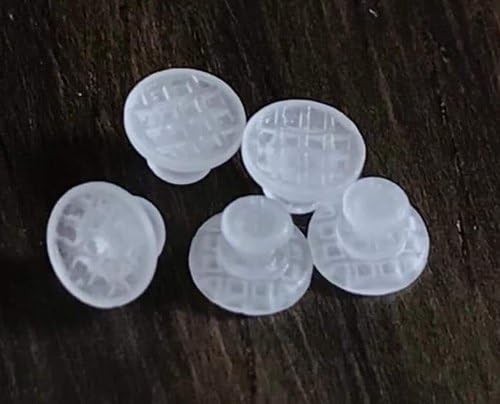
Dental Ceramic Lingual Buttons (10 Pcs)
Dental Ceramic Lingual Buttons are the perfect choice for dental professionals looking to enhance patient comfort and treatment effectiveness. Crafted from premium polycrystal material, these buttons feature a bondable ceramic round design that ensures a low profile and compact size, promoting greater comfort during orthodontic procedures. Their innovative mesh structure, designed with retentive cuts, delivers superior bond strength and predictable debonding results. Each pack contains ten pieces, offering convenience for a variety of dental applications. With excellent biocompatibility, these buttons prioritize patient safety and comfort, making them a reliable option for orthodontic treatments. Elevate your dental practice with Smiletech’s Ceramic Buttons and help your patients achieve beautiful, confident smiles.
Best For: Dental professionals seeking effective and comfortable orthodontic solutions for their patients.
Pros:
- High-quality polycrystal material ensures long-lasting durability and performance.
- Bondable ceramic round design offers a low profile for improved patient comfort.
- Excellent biocompatibility enhances patient safety during treatment.
Cons:
- Limited quantity of 10 pieces per pack may necessitate frequent reorders for larger practices.
- Specialized use might not suit every dental application.
- Potentially higher cost compared to traditional orthodontic materials.
Windplusya 6Pcs Dental Diamond Polishing Disc System
Product not found or API error.
For dental professionals striving for outstanding polishing results, the Windplusya 6Pcs Dental Diamond Polishing Disc System is an excellent choice. This versatile system incorporates a 3-step polishing process—medium smoothing, pre-polishing, and fine high-shine polishing—ensuring top-tier results on ceramics and zirconia. Featuring a flexible blade design, it easily adapts to various tooth surfaces while minimizing the risk of damage. Additionally, it is autoclavable at 135℃, simplifying the sterilization process. Designed to operate efficiently at speeds of 7,000-20,000 minˉ¹, these polishing cups offer both convenience and effectiveness. The high-quality composition, along with six included polishing wheels, makes achieving stunning smiles effortless.
Best For: Dental professionals seeking an efficient and adaptable polishing solution for ceramics and zirconia.
Pros:
- The 3-step polishing process guarantees a superior finish with medium smoothing, pre-polishing, and fine high-shine polishing.
- The flexible blade design reduces the risk of damage to tooth surfaces, enhancing user-friendliness.
- Autoclavable at 135℃, facilitating easy sterilization and adherence to hygiene standards.
Cons:
- The recommended speed range may not be compatible with all dental equipment, which could limit versatility.
- The 14mm size may not suit all applications, possibly necessitating additional tools.
- Limited to ceramics and zirconia, which might not fulfill the requirements for all dental materials.
Factors to Consider When Choosing Dental Ceramics
When selecting dental ceramics, it’s important to consider several key factors to ensure optimal results. Focus on properties that impact aesthetics, biological compatibility, and mechanical strength. Each of these elements is crucial for achieving a beautiful and enduring smile. By understanding these factors, you can make informed choices that enhance both the function and appearance of dental restorations.
Key Properties
Selecting the right dental ceramics is crucial for achieving both aesthetic appeal and functional performance in dentistry. Start by evaluating the aesthetic properties that closely resemble natural teeth, including translucency, which plays a vital role in visual harmony. Mechanical strength is equally important; ceramics with high tensile strength and fracture resistance are better suited to withstand the demands of daily use. Biocompatibility is a key consideration as well, ensuring that materials are non-toxic and safe for oral tissues. Additionally, look for resistance to wear and corrosion, which contributes to the longevity and durability of dental restorations. Finally, the microstructure of the ceramics influences hardness, thermal expansion, and overall durability. By focusing on these essential properties, dental professionals can make well-informed decisions that ensure restorations are both aesthetically pleasing and functional.
Aesthetic Considerations
Aesthetic Considerations in Dental Ceramics
Aesthetic considerations in dental ceramics are crucial for achieving a natural appearance that blends seamlessly with a patient’s existing teeth. Focus on elements such as color, translucency, and texture to effectively mimic natural dentition. Employing shading techniques in metal ceramics can significantly enhance the aesthetic outcome, ensuring better integration with surrounding teeth. High-quality dental ceramics can be polished to achieve a sheen similar to that of natural teeth, enhancing overall satisfaction. The choice of ceramic materials also plays a vital role in the final appearance, with options ranging from opaque to highly translucent finishes. Remember, the success of your dental restoration often depends on selecting ceramics that adapt well to various lighting conditions in the oral environment.
Biological Compatibility
Understanding biological compatibility is crucial in the selection of dental ceramics to ensure they do not cause adverse reactions in patients. This compatibility encompasses the materials’ non-toxicity and their ability to integrate seamlessly with oral tissues. Popular options like metal ceramics and zirconia are known for their excellent biocompatibility, making them safe choices for various dental applications. Prioritizing biocompatibility is essential for patient safety, as it minimizes the risk of inflammation and allergic reactions. A thorough assessment of these materials can greatly enhance patient comfort and satisfaction, leading to improved long-term outcomes in restorative dentistry. With ongoing advancements in dental material technology, the biological compatibility of ceramics continues to evolve, ensuring they meet the ever-changing needs of dental practices while prioritizing patient care.
Mechanical Strength
Mechanical Strength in Dental Ceramics****
Mechanical strength is vital for the performance of dental ceramics, particularly in high-stress areas such as posterior teeth. When selecting materials, it’s important to consider tensile strength, which typically ranges from 70 to 150 MPa, with advanced ceramics often exceeding these values. Fracture toughness is another key factor; many ceramics exhibit values between 2 to 6 MPa√m, affecting their resistance to cracking.
Choosing the right ceramic material is essential for successful restorations—zirconia is known for its superior strength compared to feldspathic ceramics. Furthermore, employing proper fabrication techniques, such as sintering and layering, can significantly enhance these mechanical properties. By paying attention to these factors, you can ensure your dental restorations are both durable and aesthetically pleasing, contributing to a confident and beautiful smile.
Application Versatility
When it comes to dental ceramics, their versatility stands out as a key feature that makes them a favorite among dental professionals. These materials can be utilized for a variety of applications, including crowns, bridges, veneers, and inlays/onlays. Their aesthetic appeal and strength allow for customized solutions in both functional restorations and cosmetic enhancements. With advancements like CAD/CAM technology, the customization of dental ceramics has become increasingly precise, further broadening their use in restorative dentistry. Different types, such as feldspathic porcelain, lithium disilicate, and zirconia, each offer unique properties to address specific functional and aesthetic needs. Additionally, their biocompatibility and resistance to wear ensure they are suitable for long-term use across a range of dental procedures, making them a flexible choice for achieving a beautiful smile.
Cost-Effectiveness
Cost-Effectiveness of Dental Ceramics****
Choosing the right dental ceramics is crucial for both your budget and the longevity of your dental restorations. The cost of materials can vary significantly; high-strength ceramics typically come with a higher price tag due to their durability and aesthetic appeal. However, investing in quality materials can lead to long-term savings, as they often require fewer repairs and replacements over time.
When evaluating costs, consider the initial investment in relation to the expected lifespan and lower maintenance needs of high-quality ceramics, which can last for many years. Additionally, it’s important to factor in your insurance coverage, as some plans may reimburse a larger percentage for more durable materials.
Ultimately, choosing superior ceramics not only enhances patient satisfaction and outcomes but can also contribute to increased referrals and growth for your dental practice.