

Every dental practice should prioritize three essential consent forms to build patient trust and ensure compliance.
First, implement the Teeth Whitening Intake & Consent Forms Book, designed to streamline the whitening consultation process.
Next, utilize Endodontic Treatment Consent Forms to clearly outline procedures and associated risks for patients.
Finally, the ComplyRight HIPAA Patient Consent Form is crucial for safeguarding sensitive information and maintaining adherence to regulations.
By incorporating these forms, you’ll enhance patient understanding and care, ensuring that your practice is fully equipped to manage informed consent effectively.
Teeth Whitening Intake & Consent Forms Book

The “Teeth Whitening Intake & Consent Forms Book” is an essential resource for dental professionals aiming to optimize their teeth whitening consultation process. This comprehensive 102-page paperback features structured forms specifically designed to capture client information and secure consent for cosmetic dental treatments. Utilizing this book will enhance your record-keeping efficiency while ensuring adherence to dental regulations. It’s crafted for both dental practitioners and patients, creating a more seamless and organized consultation experience. With this invaluable resource, you can simplify your practice while providing clear communication regarding whitening procedures to your patients.
Best For: Dental professionals seeking to improve their teeth whitening consultation process and maintain regulatory compliance.
Pros:
- Structured forms facilitate a smoother intake and consent process for cosmetic dental treatments.
- Enhanced record-keeping fosters greater efficiency and organization within dental practices.
- Effective communication educates patients about whitening procedures and sets clear expectations.
Cons:
- Focused solely on teeth whitening services, potentially overlooking other cosmetic procedures.
- Reliance on physical copies may pose challenges for practices that favor digital solutions.
- As a self-published work, it may not carry the endorsements or reputation of well-established dental publishing companies.
Endodontic Treatment Consent Forms for Dentistry

Endodontic Treatment Consent Forms are crucial for both dental professionals and patients within the field of dentistry. These forms outline essential details about the procedure, including potential risks and complications, ensuring you are well-informed about what to expect. By signing, you confirm your understanding of the information provided and grant your informed consent to proceed. This document not only safeguards your rights but also adheres to legal and ethical standards in dental practice. Crafted for simplicity, these comprehensive forms are tailored specifically for endodontic treatments. As a patient, having this clarity fosters confidence and security in your dental care choices.
Best For: Dental professionals and patients looking for clear, informed consent for endodontic procedures.
Pros:
- Thorough coverage of legal and ethical aspects in endodontic care.
- User-friendly design for seamless integration into dental practices.
- Enhances patient confidence by delivering clear information on procedures and associated risks.
Cons:
- May need customization to suit specific practices or individual patient needs.
- Lengthy documentation might be overwhelming for some patients.
- Regular updates are necessary to stay in line with evolving legal and medical standards.
ComplyRight HIPAA Patient Consent Form (200 Pack)
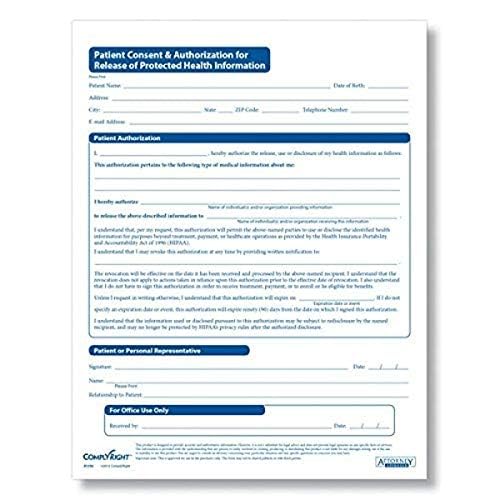
For dental professionals seeking trustworthy compliance, the ComplyRight HIPAA Patient Consent Form (200 Pack) is an excellent choice. This attorney-approved form measures 8-1/2” x 11” and is available in a convenient pack of 200 sheets. It features clear language, ensuring patients easily understand their rights regarding protected health information (PHI). Designed to meet HIPAA regulations, it includes all necessary elements for valid patient acknowledgment, guaranteeing 100% compliance. By utilizing this form, dental practices can streamline the authorization process, alleviate compliance concerns, and concentrate on providing exceptional patient care while safeguarding sensitive information effectively.
Best For: Dental practices and providers looking for compliant and reliable patient consent forms to manage protected health information (PHI) efficiently.
Pros:
- Clear and concise language ensures patients fully understand their rights.
- Attorney-approved design guarantees adherence to HIPAA regulations.
- Convenient pack of 200 sheets allows for bulk use, minimizing the need for frequent reordering.
Cons:
- Tailored specifically for healthcare, may not be applicable in other industries.
- Physical form may require additional storage space compared to digital solutions.
- Risk of wastage if not all forms are utilized within a certain timeframe.
Factors to Consider When Choosing Dental Patient Consent Forms
When selecting dental patient consent forms, it’s crucial to consider various important factors. Ensuring legal compliance and using clear, accessible language is vital so that patients fully grasp what they are consenting to. Furthermore, emphasizing specific treatments and incorporating educational materials can significantly enhance the patient’s experience and promote informed consent in dental care.
Legal Compliance Requirements
Choosing the right dental patient consent forms is crucial for any dental practice, as they must comply with HIPAA regulations to safeguard patients’ privacy. Ensure your forms enable patients to give informed consent for the use and disclosure of their protected health information (PHI). Clearly outline the risks, benefits, and alternatives associated with dental procedures to fulfill legal requirements. It’s important to include specific language that addresses both legal and ethical considerations pertinent to your treatments. Proper documentation of patient consent is vital for your legal protection, serving as proof that patients were informed and agreed to the procedures. Regularly updating your consent forms to reflect changes in laws or dental practices is essential for maintaining compliance and protecting patient rights. This commitment not only enhances patient trust but also reinforces the integrity of your dental practice.
Clarity of Language
Clarity in language is crucial for dental patient consent forms, ensuring that you fully understand the procedures and risks associated with your treatment. Using simple, clear terms enhances your comprehension and reduces misunderstandings. Avoiding complex jargon makes the information more accessible, especially for patients with different literacy levels.
Consider using visual aids or explanations alongside the text to clarify complex ideas, helping you grasp the essential details more easily. A well-organized consent form prioritizes clarity, building trust between you and your dental provider. This clarity not only enhances your comfort but also ensures compliance with legal and ethical standards in healthcare, safeguarding both your rights and the integrity of the dental practice.
Specific Treatment Focus
Understanding the specifics of dental treatments is essential for making informed decisions. When selecting dental patient consent forms, ensure they are tailored to various treatment types, such as teeth whitening or endodontic procedures. These forms should clearly outline procedural details, expected outcomes, and potential complications to facilitate informed consent.
Incorporating legal and ethical considerations specific to each treatment is crucial for compliance with dental regulations and respecting patient rights. The language used should be clear and accessible, enabling patients to easily understand the implications of their treatment choices. Additionally, be aware that state-specific regulations may vary, so it’s important to consider these requirements when choosing consent forms for your practice. This attention to detail not only safeguards patients but also enhances the professionalism of your dental practice.
Patient Education Materials
When evaluating patient education materials for dental consent forms, it’s essential to prioritize clear communication regarding dental procedures, associated risks, and benefits. This clarity supports informed decision-making, helping patients fully understand their treatment options in the realm of dentistry. Well-structured consent forms are crucial, ensuring that patients are aware of their rights and the implications of their choices related to dental care.
Incorporating visual aids and using straightforward language can significantly enhance comprehension and engagement with dental topics. Additionally, providing comprehensive information about post-treatment care is key to boosting patient compliance and satisfaction. Regularly updating your educational materials to align with current best practices and legal requirements in dentistry is vital. By doing so, you maintain patient trust and ensure they feel confident throughout their treatment journey in the dental field.
Formatting and Structure
Effective patient education materials are essential for informed consent in dentistry, but the format and structure of consent forms are equally important. Ensure that your consent forms are user-friendly, allowing both dental professionals and patients to navigate them easily. Utilize clear headings and sections to organize information, making it simple for patients to understand their rights and responsibilities. Incorporating checkboxes and signature lines can enhance clarity in consent and acknowledgment. Maintain a consistent font size and style throughout the document to improve readability and professionalism. Additionally, provide ample space for detailed explanations of procedures, associated risks, and any patient questions. This approach helps ensure that informed consent is achieved effectively and efficiently in the dental field.
Ease of Use
Choosing the right dental patient consent forms is crucial for a smooth and efficient dental practice. It’s important that these forms use clear, straightforward language so patients can easily grasp the information provided. Look for user-friendly layouts that allow for quick completion and review during consultations. Incorporating checkboxes and simple yes/no questions can significantly enhance usability, making it easier for patients to indicate their preferences. Organize the forms logically, guiding patients step-by-step through the consent process to minimize confusion and reduce errors. Additionally, offering digital options or templates can streamline access and completion, facilitating secure storage of consent forms. Prioritizing ease of use not only improves the patient experience but also enhances communication within your dental practice.
Documentation and Record-Keeping
Proper documentation and record-keeping are vital for ensuring compliance with dental regulations while prioritizing patient safety during procedures. When selecting dental patient consent forms, consider structured formats that clearly outline treatment processes, risks, and patient rights. This transparency builds trust in the patient-dentist relationship. Accurate records of patient consent not only protect against legal disputes but also serve as crucial evidence of informed consent. By consistently utilizing standardized forms, you can streamline data management, making it easier to update and access patient information as needed. Comprehensive documentation practices are also essential for monitoring treatment outcomes, ultimately enhancing the quality of care provided. Prioritize these elements to maintain a strong and compliant dental practice.
Ethical Considerations
Navigating the ethical landscape of dental patient consent forms is crucial for fostering a positive patient experience. Prioritizing patient understanding and autonomy is essential in the field of dentistry. Informed consent is a foundational principle that ensures patients fully comprehend the treatment, risks, and benefits before proceeding. Utilize clear and accessible language in your consent forms to enhance comprehension and uphold patient autonomy.
Adhering to legal standards and ethical guidelines not only protects patient rights but also builds trust within the dental community. It’s important to openly discuss potential risks and complications associated with procedures, promoting transparency in your practice. Regularly reviewing and updating your consent forms to reflect current practices and regulations is vital for maintaining ethical compliance in every patient interaction. This commitment ultimately strengthens the dentist-patient relationship and contributes to a more informed and empowered patient base.