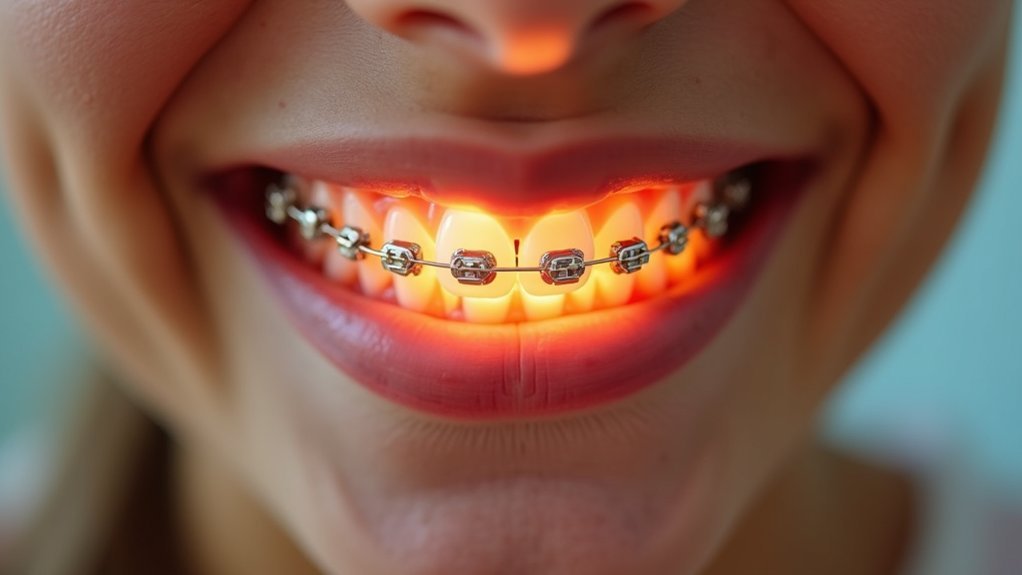

Braces can shift adjacent teeth to improve alignment, but they can’t fully close gaps left by missing teeth. Larger gaps often require additional treatments like dental implants or bridges to restore function and aesthetics. While braces can make gaps less noticeable, they alone won’t fix the issue. Understanding the limitations of orthodontic treatment is essential for your dental plan. If you want to learn about alternative solutions and their benefits, keep exploring this topic.
Key Takeaways
- Braces can only shift adjacent teeth to close minor gaps, not fill larger missing teeth spaces.
- For significant gaps, additional treatments like implants or bridges are often necessary.
- Braces improve the appearance of gaps but do not completely close them.
- Multiple missing teeth complicate the effectiveness of braces in closing gaps.
- Understanding the limitations of braces is crucial for developing a comprehensive dental plan.
Understanding Missing Teeth and Their Impact
Missing teeth can considerably impact your oral health and overall well-being, especially if you don’t address them promptly.
Gaps created by missing teeth often lead to adjacent teeth shifting, which can cause misalignment and difficulties in biting and chewing. This misalignment may escalate into further dental complications over time.
Additionally, the absence of teeth increases the risk of jawbone atrophy and alters facial structure, resulting in sunken cheeks and pronounced smile lines.
The loss of teeth can lead to jawbone atrophy and changes in facial structure, causing sunken cheeks and deeper smile lines.
To maintain proper alignment and function, it’s essential to contemplate orthodontic treatment with braces, as they can help stabilize your bite and prevent further issues.
Orthodontic Treatment Options With Missing Teeth
When addressing gaps due to absent teeth, orthodontic treatment options are available that can effectively improve your dental alignment and function. While braces can correct misalignment, they can’t close gaps caused by missing teeth without adjacent teeth shifting. Consequently, restorative solutions like dental implants, bridges, or partial dentures may be necessary. Early evaluations, preferably by age 7, are essential for children to guide growth and development effectively. An individualized treatment plan created with your orthodontist will guarantee the best strategy for managing your unique situation.
| Treatment Option | Benefits | Considerations |
|---|---|---|
| Traditional Braces | Corrects alignment | Can’t close large gaps |
| Dental Implants | Permanent solution | Surgical procedure needed |
| Bridges | Fills gaps, restores function | May need adjacent teeth |
Closing Gaps Left by Missing Teeth
When addressing gaps left by missing teeth, it’s important to understand that braces have limitations.
They can only shift adjacent teeth into place for minor adjustments, while larger gaps often require alternative solutions like dental implants or bridges.
Consulting an orthodontist will help you explore the most effective options for your specific situation.
Braces Limitations on Gaps
Although braces can effectively address many alignment issues, they’ve significant limitations when it comes to closing gaps left by missing teeth.
Here are key points to evaluate regarding braces limitations:
- They can only shift adjacent teeth into the gap, making them less effective for larger spaces.
- Larger gaps often require additional treatment options like implants or bridges for effective closure.
- Braces primarily make gaps less noticeable rather than fully closing them, especially with multiple missing teeth.
Understanding these limitations is essential for developing a thorough dental plan that addresses your specific needs and maintains overall dental health.
Alternative Solutions Available
To effectively address gaps left by missing teeth, several alternative solutions exist that can restore both function and aesthetics.
Dental implants provide a permanent option, placing a titanium screw in your jawbone topped with a crown.
Alternatively, dental bridges anchor a replacement tooth to adjacent teeth, though they require altering those teeth.
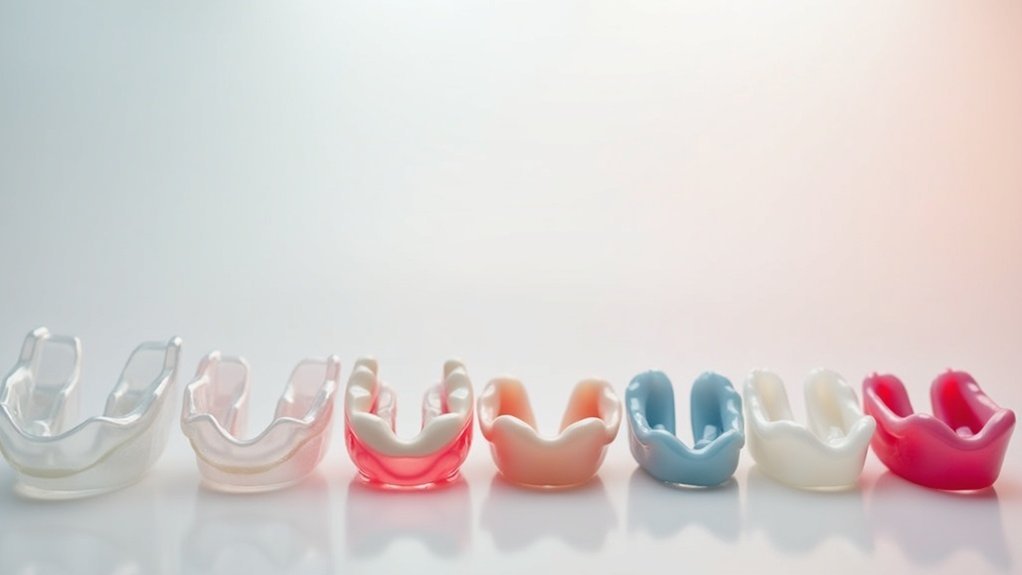
If you’re looking for a removable option, partial dentures can effectively replace one or more missing teeth, ideal for those hesitant about implants or bridges.
Finally, clear retainers like Invisalign may also be suitable in specific cases, especially when other oral health issues are present.
Alternatives to Braces for Closing Tooth Gaps
While braces are a common solution for closing tooth gaps, several alternatives can effectively address this issue without the need for traditional orthodontic treatment.
Consider these options:
- Dental Implants: A permanent solution that involves titanium posts inserted into the jawbone, topped with crowns to replace missing teeth.
- Dental Bridges: These anchor a replacement tooth to adjacent teeth, though they require altering neighboring teeth for support.
- Partial Dentures: Removable appliances designed to fill gaps, providing a non-invasive option that restores both functionality and aesthetics.
These methods offer viable paths to achieving a complete smile without relying solely on braces to close gaps.
How Long Does It Take to Close a Gap With Braces?
When you’re considering braces to close a gap in your teeth, understanding the timeline for treatment is essential.
Typically, the average treatment time ranges from 12 to 24 months, though this varies based on the gap’s size and case complexity. Larger gaps may necessitate additional orthodontic interventions, extending your overall treatment duration.
Regular adjustments and monitoring by your orthodontist are vital for ensuring timely progress in closing gaps. Consistent follow-up appointments will help maintain your treatment plan and achieve your desired results efficiently.
With the right commitment, braces help create a harmonious smile in due time.
Importance of Correcting Missing Teeth for a Healthy Bite
Missing teeth can greatly disrupt your bite alignment, leading to discomfort and potential dental complications.
When adjacent teeth drift into the gap, it can create uneven pressure and negatively impact your chewing ability.
Correcting these gaps is essential for maintaining a healthy bite, preventing future dental issues, and ensuring the longevity of your remaining teeth.
Consequences of Missing Teeth
To maintain a healthy bite, correcting missing teeth is essential, as their absence can lead to a cascade of oral health issues.
Here are three consequences you might face:
- Dental Misalignment: Gaps from missing teeth allow adjacent teeth to drift, compromising dental alignment and stability.
- Uneven Wear: The balance of chewing forces gets disrupted, resulting in increased stress on remaining teeth.
- Jawbone Atrophy: Missing teeth can lead to jawbone atrophy over time, altering your facial structure and causing aesthetic concerns.
Addressing these issues can greatly enhance your oral function and overall quality of life.
Importance of Bite Alignment
Proper bite alignment is essential for maintaining oral health, as it directly impacts your ability to chew and speak effectively. Missing teeth can cause adjacent teeth to drift, disrupting bite alignment and leading to misalignment or dysfunction.
This instability can result in uneven wear, increased stress on the jaw joint, and even contribute to jaw pain, headaches, and temporomandibular joint disorders (TMJ).
By addressing missing teeth through orthodontic treatment, you not only enhance aesthetics but also restore proper bite alignment, preventing further dental issues and promoting overall oral health.
Prioritizing bite alignment is vital for effective function and long-term well-being.