
Yes, crooked teeth can cause gum recession. They create pressure imbalances on your gums, leading to irritation and inflammation. Misalignment can also trap plaque, making effective cleaning difficult. This increases the risk of gum disease, which further exacerbates recession. Additionally, sensitive teeth and visible roots may develop due to gum pulling away. To understand how to manage this issue and the available treatment options, explore further.
Key Takeaways
- Crooked teeth create uneven pressure on gums, leading to irritation and potential gum recession.
- Misaligned teeth can trap plaque and bacteria, increasing the risk of gum disease.
- Tight spaces between crooked teeth hinder effective cleaning, contributing to gum issues.
- Orthodontic treatment can realign teeth, alleviating pressure and protecting gum health.
- Addressing misalignment is crucial for preventing gum recession and maintaining overall dental well-being.
Understanding Gum Recession
Gum recession affects around 88% of individuals over 65, making it a common concern in oral health. This condition, a form of gum disease, involves gum tissue pulling away from the teeth, exposing roots and increasing vulnerability to cavities and tooth sensitivity.
Primary causes include aggressive brushing, plaque buildup, and periodontal disease. Crooked teeth can further exacerbate these issues, leading to discomfort and heightened sensitivity.
Early diagnosis and regular dental check-ups are essential for managing gum recession and exploring treatment options to prevent further complications. By understanding this condition, you can better serve yourself and others in maintaining ideal oral health.
How Crooked Teeth Contribute to Gum Recession
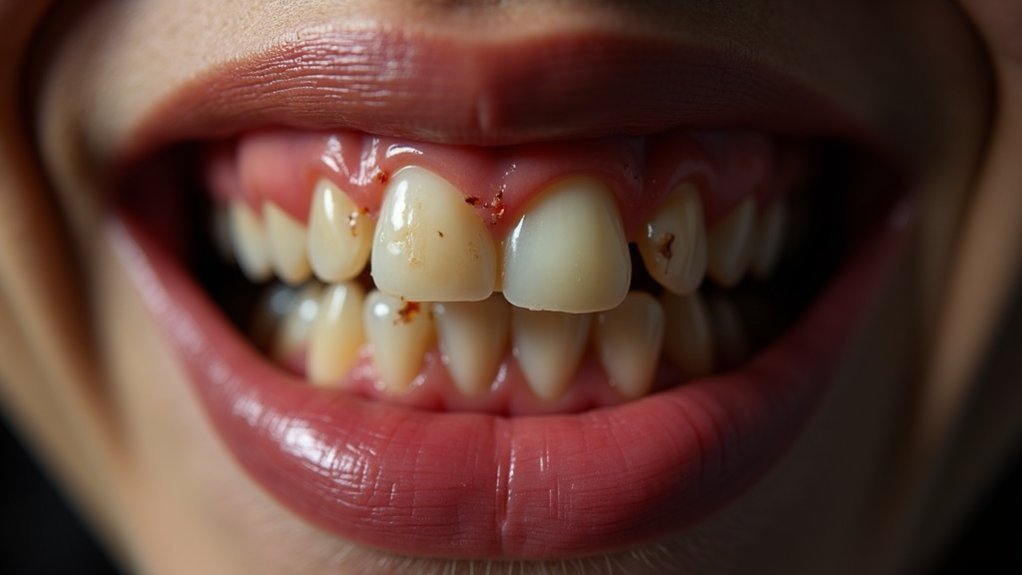
Crooked teeth can create an imbalance in pressure on your gums, leading to irritation and recession.
Additionally, misaligned teeth often result in tight spaces that make it hard to clean effectively, increasing the risk of plaque buildup and inflammation.
Over time, these factors can greatly impact your gum health and may elevate your chances of developing periodontal disease.
Misalignment and Pressure Imbalance
When teeth are misaligned, they can create uneven pressure on your gums during chewing, leading to strain that may contribute to gum recession over time.
Misaligned teeth disrupt normal bite alignment, causing certain teeth to bear excessive force, irritating and damaging gum tissue. This pressure imbalance makes your gums more susceptible to infection, increasing the risk of periodontal disease and recession.
As teeth shift out of line due to bite stress, particularly around the front, maintaining healthy gums becomes challenging.
Seeking proper orthodontic treatment can help realign your teeth, alleviate pressure imbalances, and prevent further gum recession.
Plaque Accumulation Risks
Misalignment not only creates pressure imbalances but also leads to problems with plaque accumulation.
Crooked teeth often create overlapping areas that are tough to clean, increasing plaque retention. This buildup promotes bacteria growth, heightening the risk of gum disease and gum recession.
In hard-to-reach spaces, regular brushing and flossing may fall short, allowing plaque to harden into tartar, irritating gum tissue. The uneven pressure from misaligned teeth can strain localized gum areas, further contributing to recession.
Addressing these issues through effective dental treatment and improved oral hygiene is essential for maintaining gum health and preventing complications.
Impact on Gum Health
The uneven pressure exerted on gums during biting and chewing can contribute considerably to gum recession over time.
Crooked teeth create misaligned surfaces that often trap dental plaque, making effective oral hygiene challenging. This increased plaque and tartar accumulation heightens the risk of gum disease, which directly affects your gum health.
As gum recession is more common around crowded areas where traditional brushing techniques fall short, it’s essential to address these alignment issues.
Ignoring crooked teeth can lead to irreversible gum recession, emphasizing the importance of seeking professional advice for maintaining ideal gum health and preventing future complications.
Symptoms of Gum Recession
You might notice several symptoms indicating gum recession, such as increased tooth sensitivity to hot and cold temperatures.
As your gums recede, you may see more of your teeth or their roots, which can make them look longer.
It’s crucial to recognize these signs early, as they can lead to further dental issues if left untreated.
Root Exposure Signs
Gum recession can lead to several noticeable signs, primarily due to the exposure of tooth roots. You might notice your teeth appearing longer, particularly at the bottom front, indicating potential gum health issues.
Exposed tooth roots can also result in aesthetic concerns, making teeth look discolored or yellow. Increased sensitivity to hot, cold, and sweet stimuli may arise, causing discomfort during brushing and flossing.
Additionally, if you experience pain near the gum line, it’s essential to evaluate your oral hygiene practices. Crooked teeth can contribute to pressure on the gums, exacerbating these root exposure signs and heightening your risk for decay.
Sensitivity Indicators
Sensitivity to temperature changes often serves as an early warning sign of gum recession. When your teeth and gums experience increased tooth sensitivity, particularly to hot, cold, or sweet stimuli, it may indicate exposed tooth roots due to gum recession.
This condition not only leads to discomfort near the gum line but also raises the risk of gum disease, including gingivitis. Poor oral hygiene can exacerbate this issue.
Visibly receding gums may compromise aesthetics and heighten sensitivity. Monitoring for these indicators is essential for the early detection of gum recession, ensuring timely intervention and care for your oral health.
Causes of Gum Recession
While various factors contribute to gum recession, poor oral hygiene stands out as a significant cause, especially when compounded by crooked teeth.
When you struggle to maintain proper oral hygiene, plaque and food particles accumulate, leading to gum disease and potential periodontal disease. This condition damages gum tissue, increasing your risk of gum recession and tooth loss.
Additionally, aggressive brushing in misaligned areas can wear down enamel and harm gums. Genetic predisposition and hormonal changes, such as during pregnancy, can further heighten sensitivity, making it even more essential to address oral hygiene effectively if you have crooked teeth.
The Impact of Misaligned Teeth on Oral Hygiene
Misaligned teeth can greatly hinder your ability to maintain effective oral hygiene, as they create tight spaces that are difficult to clean thoroughly.
These overlapping areas often become breeding grounds for bacteria, leading to plaque retention. When plaque accumulates, it can harden into tartar, irritating your gums and increasing the risk of gum recession.
Additionally, uneven pressure from misaligned teeth can strain gum tissues, making them more vulnerable to infection and gingivitis.
Regular orthodontic evaluations are essential to address alignment issues, improving your oral hygiene and reducing the likelihood of gum problems down the line.
Treatment Options for Gum Recession
When it comes to treating gum recession, several effective options are available to help restore your gum health and protect your teeth.
Scaling and root planing can remove plaque and tartar buildup, improving your oral health. In more severe cases, a gum graft may be necessary to cover exposed tooth roots.
The pinhole surgical technique offers a minimally invasive alternative, repositioning gum tissue without grafting. Additionally, orthodontic treatment can correct crooked teeth, alleviating pressure on your gums to prevent further recession.
Early intervention is vital for managing gum recession and preserving your overall dental health.
The Role of Orthodontics in Preventing Gum Recession
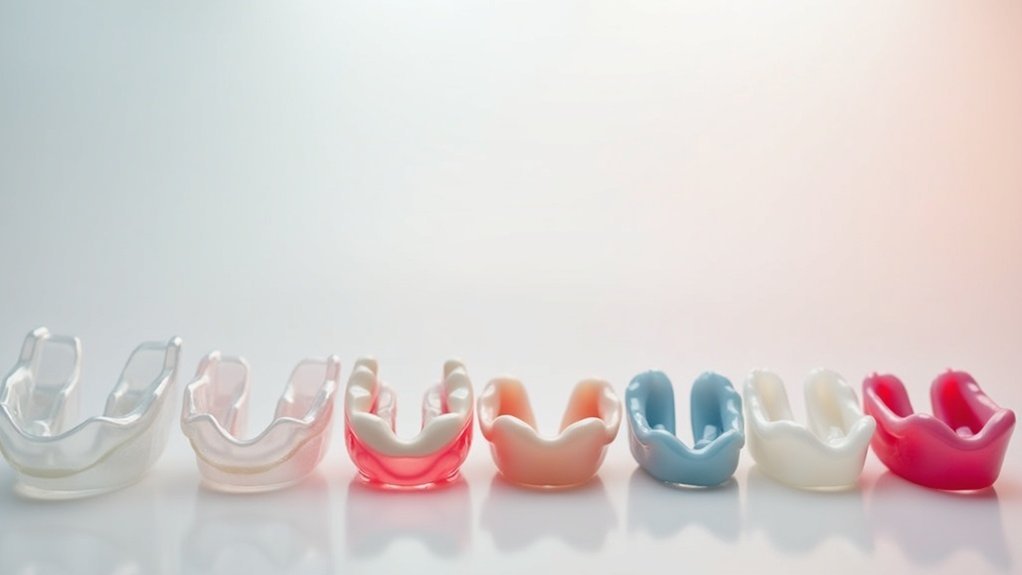
Orthodontics plays an essential role in preventing gum recession by effectively aligning your teeth and enhancing overall oral health. Properly aligned teeth reduce tight spaces that trap plaque, lowering the risk of gum disease. By distributing chewing forces evenly, orthodontics minimizes excessive pressure on gums, helping to prevent tissue irritation. With braces or aligners, you can address misaligned teeth that exacerbate gum issues. Regular consultations with an orthodontist promote better oral hygiene and personalized treatment plans for maintaining gum health.
| Benefit | Description | Impact on Gum Health |
|---|---|---|
| Reduced Plaque | Aligned teeth are easier to clean. | Lowers gum disease risk |
| Even Pressure | Distributes chewing forces uniformly. | Reduces gum tissue irritation |
| Improved Hygiene | Encourages better oral care habits. | Prevents plaque buildup |
| Personalized Plans | Tailored treatments for your needs. | Enhances overall gum health |
When to Seek Professional Help for Gum Issues
You mightn’t realize that ignoring early signs of gum issues can lead to more serious dental problems.
If you notice increased sensitivity or discomfort near the gum line, it’s time to seek professional evaluation.
Increased sensitivity or discomfort near the gum line signals the need for a professional evaluation.
Visible signs of gum recession, like tooth root exposure, should prompt a visit to your dentist.
Regular dental check-ups are essential, especially if you’ve had aggressive brushing or periodontal disease in the past.
Persistent pain in your gums warrants immediate attention.
If you have crooked teeth, consult a dentist to assess their potential impact on gum health and discuss treatment options to prevent further complications.