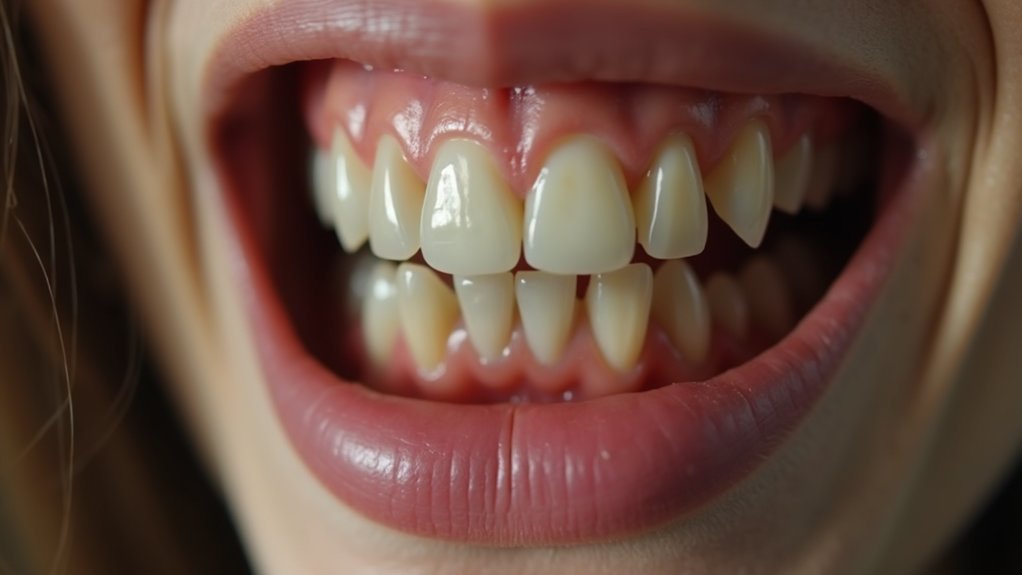

Yes, crooked teeth can definitely cause pain. Misalignment affects your bite, leading to uneven pressure on your gums and jaw. This irritation may result in inflammation and ongoing discomfort. Crowded teeth also create tight spaces that trap food and plaque, increasing the risk of gum disease and cavities. Plus, the strain on your jaw can radiate pain to your neck and head. There are effective treatment options available that can alleviate this pain, helping you find relief and improve your dental health.
Key Takeaways
- Crooked teeth disrupt bite alignment, leading to uneven pressure that irritates and inflames the gums.
- Misalignment can cause ongoing pain in gums, teeth, and jaw, potentially resulting in headaches.
- Crooked teeth create hard-to-reach areas, complicating oral hygiene and increasing plaque build-up and cavities.
- Protruding teeth are more vulnerable to injuries, causing pain and discomfort during physical activities.
- Early orthodontic treatment can alleviate pain and improve alignment, enhancing overall dental health.
The Connection Between Crooked Teeth and Painful Gums
When your teeth are crooked, they can greatly impact your gum health. Misaligned teeth disrupt bite alignment, putting uneven pressure on your gums, which can lead to irritation and inflammation.
Crowded or crooked teeth create tight spaces where food and plaque accumulate, fostering bacteria growth that contributes to gum disease. As discomfort escalates, you may experience significant soreness and tenderness.
Early intervention with orthodontic treatments can alleviate this pain, promoting better alignment and improving your oral health. By addressing crooked teeth, you not only enhance your smile but also protect your gums from potential complications associated with misalignment.
Increased Risk of Tooth Injuries
Crooked teeth not only affect your smile but also greatly increase the risk of tooth injuries. Protruding upper teeth, for instance, are more exposed to damage during physical activities, heightening the likelihood of dental injuries such as chips or fractures.
Misaligned teeth make you more vulnerable to trauma from accidents, potentially leading to considerable dental emergencies. Additionally, sharp edges from crooked teeth can puncture soft tissues in your mouth, resulting in discomfort and infections.
Proper alignment considerably reduces these risks, as evenly spaced teeth provide better protection against external forces, ultimately safeguarding against tooth loss and preserving your oral health.
Challenges in Maintaining Oral Hygiene
Maintaining oral hygiene becomes increasingly challenging for individuals with misaligned teeth due to their unique structure.
Crooked teeth create hard-to-reach areas, making effective brushing and flossing difficult, which leads to plaque build-up. Additionally, misaligned teeth can trap food particles in tight spaces, promoting bacteria growth and increasing the risk of cavities and gum disease.
The uneven surfaces hinder proper use of dental tools, complicating thorough oral hygiene practices. Studies indicate that those with crooked teeth often experience poorer oral hygiene, necessitating regular dental check-ups and professional cleanings to address these hard-to-maintain areas effectively.
Ongoing Pain in Gums, Teeth, and Jaw
Misaligned bites can lead to ongoing pain in your gums, teeth, and jaw, often resulting in significant discomfort.
As you chew, uneven pressure can strain your jaw muscles, while crooked teeth may create sores inside your cheeks.
Addressing these issues early can prevent escalation into more severe dental problems, improving your overall oral health.
Misaligned Bite Consequences
When your bite isn’t properly aligned, it can lead to ongoing pain in your gums, teeth, and jaw. A misaligned bite creates uneven pressure, causing discomfort during everyday activities like chewing.
Over time, chronic misalignment results in sore gums and teeth, increasing pain and discomfort. You might also experience jaw pain that can radiate to your neck and head, leading to frequent headaches.
In addition, irritation from misaligned teeth can injure soft tissues in your mouth, adding to your pain. Early intervention through orthodontic treatment can alleviate these symptoms by correcting your bite and enhancing overall dental alignment.
Jaw Strain and Pain
Jaw strain can greatly impact your daily life, leading to persistent pain in your jaw and surrounding areas.
Misaligned teeth create uneven pressure, causing discomfort while chewing and speaking. This strain often results in chronic jaw pain and can even trigger headaches as the muscles fatigue and tense.
Additionally, biting down on misaligned teeth increases the risk of injuring soft tissues in your mouth, leading to further pain.
Early intervention through orthodontic treatment can effectively alleviate jaw strain, reducing the likelihood of developing severe pain and related dental issues, ultimately enhancing both your comfort and quality of life.
Symptoms of Discomfort
Persistent discomfort in your gums, teeth, and jaw often stems from the complications of crooked teeth. Misaligned teeth create uneven pressure during chewing and speaking, leading to ongoing pain.
You might notice sore gums due to irritation from these misalignments, which can increase tenderness in surrounding tissues. Additionally, chewing with misaligned teeth can injure your inner cheeks and tongue, causing painful sores.
Over time, this strain on jaw muscles can contribute to chronic jaw pain and headaches. If you ignore these symptoms, the pain can escalate, resulting in more severe health problems and requiring extensive dental treatment.
Effects on Chewing and Eating
Crooked teeth can greatly impair your chewing efficiency, making it difficult to bite and grind food properly.
This misalignment places extra strain on your jaw muscles, leading to increased discomfort and fatigue during meals.
Addressing these issues can enhance your overall eating experience and reduce the risk of further pain or injury.
Impaired Chewing Efficiency
Impaired chewing efficiency can considerably affect your eating experience and overall health. Misaligned teeth can cause significant issues with your bite, making it difficult to break down food properly.
This inefficiency can lead to:
- Increased discomfort while chewing
- Difficulty biting and grinding food effectively
- Potential digestive problems due to inadequate food breakdown
- Muscle fatigue in the jaw from compensating for misalignment
Addressing these concerns through orthodontic treatment can enhance your chewing efficiency, promoting better digestion and overall oral health.
Prioritizing proper alignment not only improves your bite but also elevates your overall well-being.
Increased Jaw Strain
When your teeth are misaligned, it can considerably increase strain on your jaw during chewing and eating. Crooked teeth create an uneven bite, leading to discomfort and pain, particularly when biting down. Over time, this misalignment can contribute to TMJ disorders, causing stiffness and radiating pain throughout your neck and shoulders. Chronic jaw strain affects your overall well-being, making it crucial to address these issues.
| Symptoms | Causes | Effects |
|---|---|---|
| Jaw Pain | Crooked Teeth | Headaches |
| Jaw Stiffness | Bite Misalignment | Neck Discomfort |
| Reduced Chewing | Excessive Jaw Strain | Overall Discomfort |
Impact on Self-Esteem and Mental Health
The struggle with self-esteem often stems from the perception of one’s appearance, and for many, crooked teeth play a significant role in this regard.
You might notice that your confidence wanes and social interactions become intimidating.
Consider how crooked teeth can affect:
Crooked teeth can significantly influence your confidence, social interactions, and overall mental well-being.
- Your willingness to smile, leading to less frequent expressions of joy.
- Your overall self-esteem, resulting in diminished happiness.
- Anxiety about your appearance, prompting avoidance of social situations.
- Your mental health, impacting quality of life.
Treatment Options for Alleviating Pain From Crooked Teeth
Addressing pain from crooked teeth involves a variety of effective treatment options tailored to your specific needs.
Traditional metal braces are a common treatment for crooked teeth, helping to straighten your teeth and reduce pain over time.
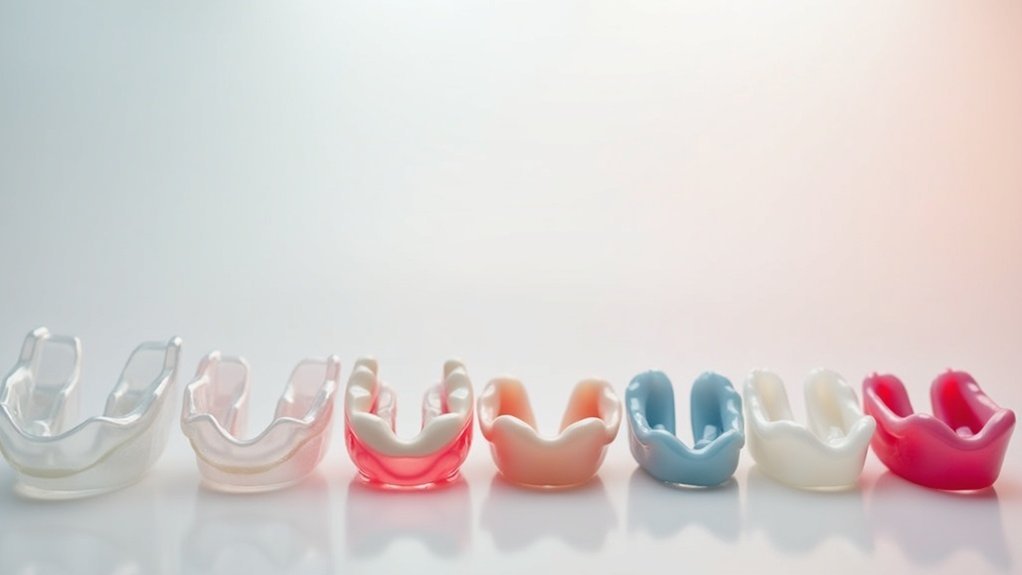
For a discreet option, clear aligners like Invisalign® can alleviate discomfort while improving alignment.
If overcrowding exists, tooth extractions may be necessary to help correct alignment and relieve pain.
Additionally, orthodontic treatments, such as crowns or veneers, can enhance both appearance and functionality, ultimately reducing your risk of discomfort.
Consulting a dental professional guarantees a personalized plan to address your pain effectively.