
Grinding your teeth, or bruxism, can indeed cause dizziness. This occurs due to the tension created in your jaw muscles and the temporomandibular joint (TMJ). The pressure on your teeth can strain these areas, leading to imbalances and dizziness. Symptoms may also include headaches, jaw pain, and facial discomfort. Addressing bruxism with proper treatment can alleviate these symptoms. You may want to explore effective management strategies to enhance your wellbeing and find relief from these sensations.
Key Takeaways
- Bruxism can cause tension in the jaw muscles and temporomandibular joint (TMJ), leading to dizziness or imbalance sensations.
- The intense pressure from teeth grinding can strain the TMJ, potentially causing inflammation and dysfunction.
- Symptoms of TMJ disorders, including dizziness, can arise from the proximity of the TMJ to inner ear structures.
- Regular dental check-ups can help identify bruxism early, allowing for effective management of associated dizziness.
- Treatment options like custom mouthguards can alleviate jaw tension and reduce dizziness linked to bruxism.
Understanding Bruxism and Its Symptoms
Bruxism, affecting approximately 8-10% of the population, involves the involuntary grinding, clenching, or gnashing of teeth, which can occur either during sleep or while awake.
Common symptoms include worn tooth enamel, increased tooth sensitivity, and jaw pain, often resulting from excessive pressure on your teeth and jaws. You might experience tight or sore jaw muscles, potentially leading to temporomandibular joint (TMJ) disorders.
Regular dental check-ups are vital for identifying signs of bruxism early, as timely treatment can help prevent significant dental complications. Understanding these symptoms is essential for effective management and enhancing your overall well-being.
The Link Between Bruxism and Dizziness
When teeth grinding occurs, it can create significant tension in the jaw muscles and the temporomandibular joint (TMJ), which are closely linked to the inner ear.
This tension can lead to dizziness, often experienced as spinning sensations or imbalance. Bruxism exerts intense pressure, sometimes reaching 900 PSI, contributing to muscle strain that disrupts balance.
Symptoms of bruxism include not just dental pain but also these dizzy spells. Understanding this connection is essential for effective management.
Treatment options such as night guards or stress management techniques can alleviate both jaw tension and dizziness, improving your overall well-being.
How Teeth Grinding Affects the TMJ
Excessive teeth grinding puts considerable strain on the temporomandibular joint (TMJ), leading to inflammation and dysfunction in this critical area.
Bruxism exerts immense pressure, sometimes up to 900 PSI, affecting the jaw joint’s normal function. This misalignment can cause pain and limit jaw movement, which may contribute to dizziness.
Bruxism can apply up to 900 PSI of pressure, leading to jaw pain, restricted movement, and potential dizziness.
The TMJ’s close relationship with inner ear structures means that its dysfunction can also lead to auditory symptoms like tinnitus.
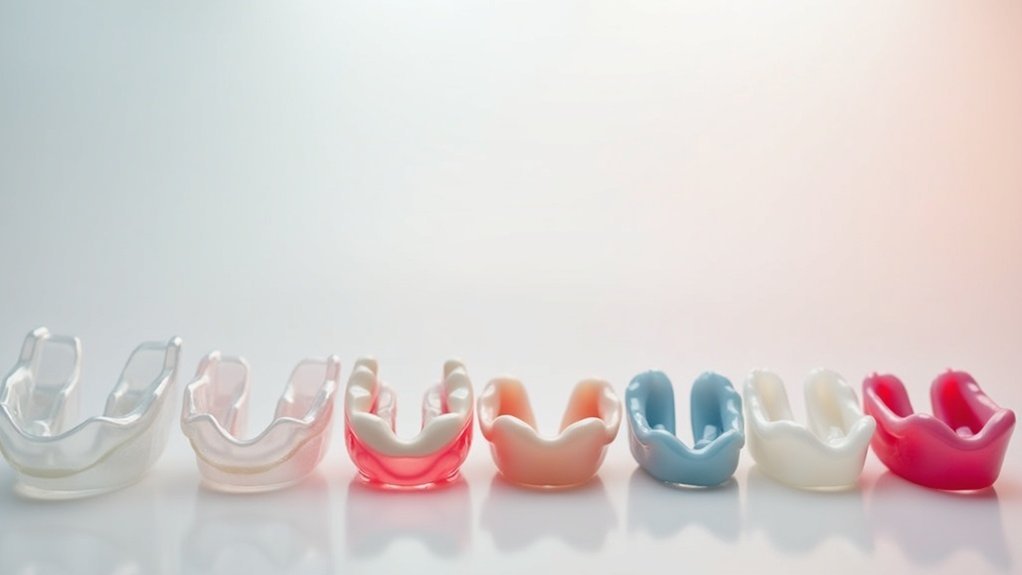
Managing bruxism with custom mouthguards can greatly alleviate TMJ stress, potentially reducing associated dizziness and improving overall jaw health.
Prioritizing treatment is essential for your well-being.
Common Symptoms Associated With TMJ Disorders
TMJ disorders can lead to a range of symptoms that considerably impact daily life. You might experience:
- Jaw Pain: Soreness radiating to your neck and shoulders, affecting mobility.
- Headaches: Frequent tension-type or migraine headaches exacerbated by jaw movement or bruxism.
- Dizziness: Off-balance sensations linked to the proximity of the TMJ to inner ear structures.
- Facial Pain: Tenderness around the jaw and temples, making chewing difficult.
Additionally, tinnitus may accompany these symptoms, highlighting the interconnectedness of jaw dysfunction and auditory issues.
Understanding these signs can guide you toward appropriate care and relief.
Diagnosing Bruxism-Related Dizziness
When you experience dizziness alongside jaw pain or headaches, it’s essential to take into account bruxism as a potential cause.
A professional evaluation can help identify these symptoms and their connection to the temporomandibular joint.
Dentists may also use diagnostic imaging techniques to assess the extent of TMJ involvement and guide treatment.
Identifying Symptoms and Signs
Bruxism can lead to a variety of symptoms, and dizziness is one of the more perplexing manifestations that may arise. This dizziness often stems from TMJ disorders affecting the vestibular system.
You might experience:
- A spinning sensation
- Nausea during episodes
- Off-balance feelings
- Jaw pain accompanying headaches
These symptoms indicate jaw clenching and tension disrupting your balance.
Monitoring your symptoms closely is essential, as distinguishing TMJ-related dizziness from other causes can guide effective treatment. Consulting a dental professional can help identify the connection between your bruxism symptoms and dizziness, leading to tailored care options.
Importance of Professional Evaluation
Understanding the importance of professional evaluation is essential for anyone experiencing dizziness potentially linked to bruxism. A detailed diagnosis can reveal underlying TMJ disorders or other medical conditions requiring specific treatment.
During your evaluation, dentists will assess symptoms like jaw pain, headaches, and dizziness to identify bruxism as a contributing factor. Collaboration between dental and medical professionals guarantees a thorough approach to your care.
Early intervention and accurate diagnosis can prevent worsening symptoms and clarify the source of your dizziness, leading to more effective treatment options. Prioritize your health by seeking professional evaluation for ideal dental care.
Diagnostic Imaging Techniques
While experiencing dizziness, it’s crucial to evaluate how diagnostic imaging techniques can aid in identifying any underlying issues related to bruxism.
These methods help visualize the temporomandibular joint (TMJ) and assess the impact of teeth grinding on your vestibular function and balance.
Key imaging techniques include:
- X-rays to identify jaw alignment and abnormalities.
- CT scans for detailed views of TMJ inflammation.
- MRIs to assess soft tissue damage surrounding the joint.
- Collaboration with healthcare professionals to guarantee thorough evaluations of bruxism-related dizziness, ruling out other causes and guiding effective treatment decisions.
Treatment Options for Bruxism and TMJ
When addressing bruxism and TMJ, you’ll find several effective treatment options.
Customized dental appliances, like mouth guards, can reduce grinding and clenching, while lifestyle modifications and stress management techniques play an essential role in alleviating symptoms.
Consulting with a dental professional guarantees you receive a thorough evaluation and an individualized treatment plan.
Lifestyle Modifications
Implementing lifestyle modifications can play an essential role in managing bruxism and its associated symptoms, including dizziness. Consider the following strategies:
- Practice stress management techniques like meditation and regular exercise to reduce bruxism episodes.
- Limit caffeine and alcohol intake, as these stimulants can worsen teeth grinding and jaw tension.
- Perform jaw exercises and maintain proper posture to alleviate TMJ tension, potentially reducing dizziness.
- Adopt a healthy diet rich in vitamins and minerals to support dental health and mitigate bruxism symptoms.
Dental Appliances
Managing bruxism and its symptoms often leads to the consideration of dental appliances as effective treatment options. Customized dental appliances, like night guards, protect your teeth from grinding during sleep.
The Ortho-Stop appliance specifically targets clenching and grinding linked to TMJ disorders, offering relief within 1-4 weeks. These dental appliances maintain proper jaw alignment, reducing pressure on the TMJ, which can alleviate dizziness and other symptoms.
Regular use also diminishes muscle tension around your jaw, enhancing comfort. Dental professionals often recommend these appliances as part of a thorough treatment plan for managing both bruxism and TMJ-related issues.
Stress Management Techniques
Stress plays a significant role in exacerbating bruxism and TMJ disorders, making stress management techniques essential for effective treatment.
Consider incorporating these practices into your routine to enhance your quality of life:
- Mindfulness Meditation – Cultivate awareness to reduce anxiety.
- Deep Breathing – Engage in relaxation exercises to ease jaw tension.
- Regular Exercise – Promote muscle relaxation and mitigate grinding behaviors.
- Cognitive-Behavioral Therapy (CBT) – Manage stress-related symptoms effectively.
Lifestyle Changes to Manage Bruxism Symptoms
Although bruxism can lead to discomfort and issues like dizziness, making specific lifestyle changes can help you manage its symptoms effectively.
Incorporate stress management techniques such as mindfulness and yoga to reduce bruxism symptoms, which may alleviate dizziness.
Focus on improving sleep quality through regular physical activity and a balanced diet rich in vitamins A, C, E, and zinc.
Practice jaw relaxation exercises and maintain proper posture to relieve tension and reduce neck pain.
Finally, avoid stimulants like caffeine and nicotine before bedtime to decrease teeth grinding and enhance your overall wellbeing.