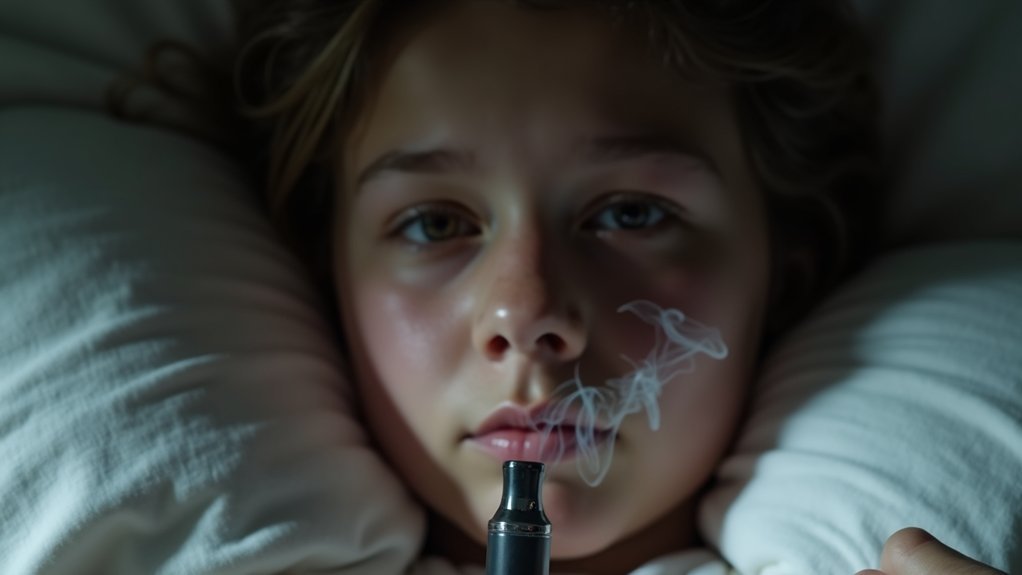

Vaping through your nose after wisdom teeth surgery is risky and can disrupt your healing. The suction can dislodge blood clots, increasing your chances of developing dry socket, which causes severe pain and complications. Additionally, nicotine and harmful chemicals in vape liquids can impair circulation and healing. It’s best to avoid any form of vaping for at least 3-5 days post-surgery. To understand more about the implications and safe practices, keep exploring this topic.
Key Takeaways
- Vaping through the nose can still create suction, increasing the risk of dislodging blood clots and developing dry socket.
- Chemicals in vape liquids can irritate healing tissues, potentially complicating your recovery.
- Nicotine restricts blood flow, impairing healing and prolonging recovery time after oral surgery.
- Dental professionals recommend avoiding all forms of vaping for at least 3-5 days post-surgery.
- Consider nicotine replacement therapies instead, but avoid all nicotine for at least 24 hours after surgery.
Understanding the Risks of Vaping After Oral Surgery
Understanding the risks of vaping after oral surgery is essential for promoting a smooth recovery.
Vaping after wisdom tooth extraction can disrupt your healing process by introducing suction that may dislodge blood clots, increasing the risk of dry socket from vaping.
The nicotine in vape products restricts blood flow, impairing your body’s natural healing processes and prolonging recovery time.
Additionally, the chemicals in vape liquids can irritate tissues, raising the risk of infection.
Dental professionals recommend avoiding all forms of smoking and vaping for at least 3-5 days post-surgery to minimize complications and support ideal healing.
The Dangers of Dry Socket
While many patients may underestimate the severity of complications after wisdom teeth extraction, the danger of dry socket is a serious concern. This painful condition arises when a blood clot dislodges from the extraction site, exposing nerves and bone.
Vaping creates suction, increasing the risk of dry socket considerably. Symptoms include intense pain radiating to the ear, an empty socket, and foul odor.
Studies show that tobacco use, including vaping, heightens the incidence of dry socket. To promote ideal healing during your recovery process, it’s essential to avoid any activities that may displace the protective clot after your oral procedure.
How Vaping Affects Healing
Vaping can greatly hinder your healing process after wisdom teeth surgery, as it introduces harmful chemicals and nicotine that reduce blood flow to the surgical site.
This impaired circulation can delay recovery and increase the risk of complications. The suction from vaping may dislodge blood clots, considerably raising your chances of developing dry socket, a painful condition.
Impaired circulation from vaping can delay recovery and heighten the risk of painful complications like dry socket.
Additionally, vaping can cause inflammation in open wounds, further prolonging recovery times and heightening the risk of infections.
The heat from vaporizers irritates healing tissues, complicating your recovery and increasing discomfort.
It’s essential to minimize these risks for ideal healing.
Recommendations From Dental Professionals
After wisdom tooth surgery, it’s essential to follow your dental professional’s recommendations for healing, which include avoiding vaping.
The risks associated with vaping can hinder your recovery and lead to complications like dry socket.
Always consult your dentist for tailored advice on post-operative care to guarantee a smooth healing process.
Healing Post-Extraction Guidelines
To guarantee a smooth recovery from wisdom tooth extraction, it’s essential to follow your oral surgeon’s post-operative guidelines closely.
Avoid smoking and vaping for at least 3-5 days to promote healing and reduce the risk of complications, like dry socket.
Keep the extraction site clean, avoiding contact with hands or food.
Follow instructions to prevent suction movements, which can hinder recovery.
If you consider vaping afterward, do so with minimal force and steer clear of the extraction site.
Monitor for signs of complications, such as increased pain or swelling, and prioritize your oral health during this vital healing period.
Risks of Vaping
While you may be tempted to resume vaping after wisdom teeth surgery, dental professionals strongly advise against it due to the associated risks.
Vaping can create suction, risking dislodging blood clots and leading to dry socket. The chemicals and heat from vape products can irritate the surgical site, causing complications like inflammation and delayed healing.
Additionally, nicotine can compromise blood flow, increasing the risk of infection and prolonging recovery. By refraining from vaping, you greatly minimize these risks, promoting better oral health and a smoother healing process after your dental procedure.
Prioritize your recovery and follow professional recommendations.
Professional Advice Importance
Understanding the importance of professional advice can greatly impact your recovery after wisdom teeth surgery.
Dental professionals typically recommend avoiding smoking or vaping for at least 3-5 days to guarantee proper healing. Keeping the extraction site clean is essential; introducing irritants can hinder your body’s recovery and increase complications like dry socket.
Following post-surgery instructions, including avoiding suction motions, is critical to protect blood clots important for healing. Even minimal suction from vaping through your nose poses risks.
Always consult your dentist for personalized aftercare instructions to facilitate a smooth recovery and address any specific concerns regarding your oral health.
Safe Practices for Vaping Post-Extraction
After wisdom teeth surgery, it’s essential to approach vaping with caution to guarantee a smooth recovery.
After wisdom teeth surgery, be cautious with vaping to ensure a smooth and safe recovery.
It’s important to refrain from vaping for at least 72 hours to allow the blood clot that forms in the socket to stabilize. Vaping through the nose can create suction, posing a high risk of dislodging the clot and leading to dry sockets.
If you choose to vape afterward, consider using low-suction vaporizers and cover the extraction site with gauze for added protection.
Prioritize your oral hygiene and consult your dentist or oral surgeon if you notice any signs of complications during your healing process.
Alternatives to Vaping for Nicotine Cravings
If you’re looking for alternatives to vaping while managing nicotine cravings after wisdom teeth surgery, several nicotine replacement therapies can help.
Options like patches, gum, or lozenges can provide relief without the risks associated with vaping.
Additionally, consider exploring herbal alternatives or behavioral strategies to support your recovery and reduce cravings effectively.
Nicotine Replacement Therapies
While you may feel the urge to vape after wisdom teeth surgery, exploring nicotine replacement therapies (NRTs) can provide a safer way to manage cravings.
NRTs, like patches, gum, or lozenges, deliver controlled nicotine doses without the harmful effects of inhalation, supporting your oral health during recovery. They can effectively reduce cravings while minimizing complications, such as dry socket, associated with smoking or vaping.
Remember to abstain from all nicotine forms, including NRTs, for at least 24 hours post-surgery to guarantee proper healing. Consulting a healthcare professional can help tailor NRT use to your specific needs during recovery.
Herbal Alternatives Options
Exploring herbal alternatives can be an effective way to manage nicotine cravings without the risks associated with vaping, especially following wisdom teeth surgery.
Herbal teas and natural supplements can provide relief while supporting oral health. Nicotine patches offer a controlled dose, minimizing oral harm during recovery. Chewing gum with natural ingredients can distract you from cravings and promote healthier habits.
Additionally, engaging in mindfulness practices or physical activities can considerably reduce cravings and enhance mental well-being.
Don’t hesitate to seek advice from healthcare professionals or join support groups for valuable strategies to navigate this challenging time.
Monitoring Your Recovery
Monitoring your recovery after wisdom teeth surgery is essential to guarantee a smooth healing process.
Keep an eye on the extraction site for signs of infection, like swelling, redness, or discharge. Watch for symptoms of dry socket, such as increasing pain, visible bone, and bad breath; these can arise if you resume smoking for at least the recommended period.
Track your pain levels and overall oral health to catch potential complications early. If you notice unusual symptoms like persistent fever or excessive bleeding, contact your dentist immediately, as these may indicate serious issues that require prompt attention.
Importance of Following Post-Surgery Instructions
Following post-surgery instructions is crucial for a successful recovery after wisdom teeth removal, as neglecting these guidelines can lead to complications like dry socket. To promote healing and prevent infection, you should avoid nicotine and suction, including vaping through your nose, for at least 72 hours post-surgery. Consulting your oral surgeon’s instructions is essential for personalized care.
| Key Considerations | Importance |
|---|---|
| Avoid Suction | Prevents blood clot dislodgment |
| No Nicotine | Supports ideal healing |
| Maintain Oral Hygiene | Reduces infection risk |