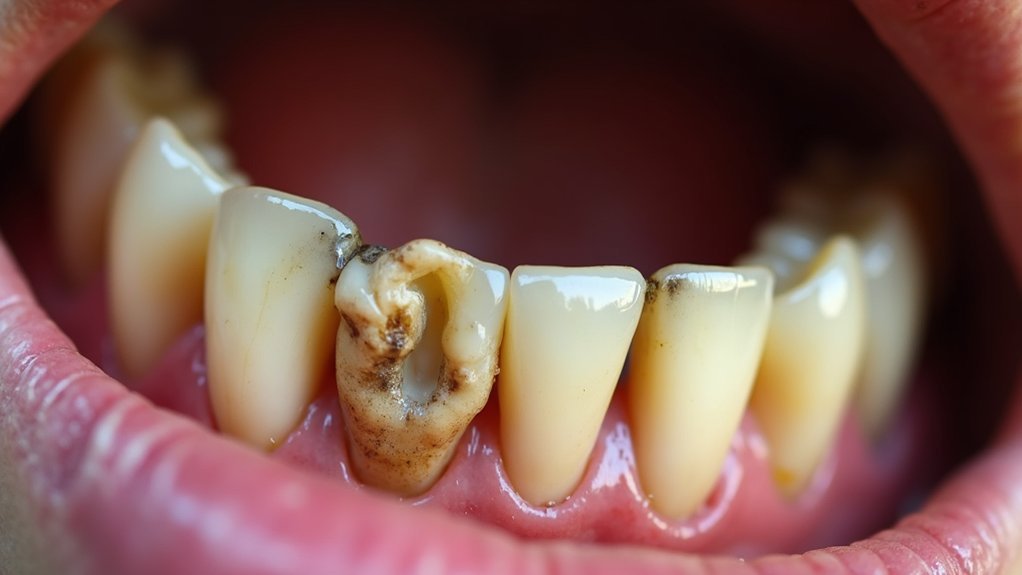

Yes, Lyme disease can lead to tooth loss, but indirectly. It compromises your immune system, which might trigger gum disease and other dental issues. As a result, you may experience tooth sensitivity, inflammation, and eventually loose teeth. Maintaining good oral hygiene and scheduling regular dental check-ups is essential to monitor your dental health during Lyme disease treatment. Understanding the connections between Lyme disease and your oral health can help you manage potential complications more effectively.
Key Takeaways
- Lyme disease can lead to gum inflammation, increasing the risk of gum disease which may contribute to tooth loss.
- The immune response triggered by Lyme disease can compromise oral health, potentially resulting in tooth sensitivity and loose teeth.
- Chronic inflammation associated with Lyme disease can create an environment for bacteria buildup, leading to further dental complications.
- Regular dental check-ups are crucial for monitoring and managing potential dental issues during Lyme disease treatment.
- Maintaining good oral hygiene practices can help mitigate the risk of tooth loss related to Lyme disease complications.
Understanding Lyme Disease: The Basics
Lyme Disease is a serious infection caused by the bacterium Borrelia burgdorferi, transmitted through the bites of infected black-legged ticks.
Found mainly in forested areas of the northeastern and north-central U.S., it can indirectly impact your dental health. The immune response triggered by Lyme Disease can lead to conditions like gum disease, increasing the risk of tooth loss.
While it doesn’t directly cause teeth to fall out, managing your oral hygiene is essential. Regular dental check-ups can help you monitor potential complications, ensuring that you maintain both your health and a healthy smile as you cope with Lyme Disease.
Symptoms of Lyme Disease
When you get bitten by an infected tick, the early symptoms of Lyme disease can be subtle yet significant. You might notice:
- A distinctive bulls-eye rash
- Flu-like symptoms: fever, headache, fatigue
- Joint pain and dental symptoms
- Inflammation in the gums and tooth sensitivity
- Weakened immune system leading to oral health issues
If untreated, Lyme disease can escalate, causing chronic Lyme disease that complicates dental care and increases the risk of tooth loss.
Pay close attention to these symptoms, as they may require care and attention from both dental and medical professionals to address effectively.
How Lyme Disease Affects the Body
Although you may primarily associate Lyme disease with its well-known symptoms, its impact on the body extends far beyond that.
Caused by Borrelia burgdorferi, Lyme disease triggers systemic inflammation that can adversely affect your oral health. The immune response can worsen existing dental issues, leading to gum disease and increasing the risk of tooth loss.
Additionally, inflammation may affect the temporomandibular joint (TMJ), causing jaw pain that complicates dental care. Chronic pain can hinder your ability to maintain proper oral hygiene, further heightening the risk of dental decay and gum disease, ultimately threatening your teeth.
The Connection Between Lyme Disease and Dental Health
When you have Lyme disease, the spirochetes can affect your oral health, leading to complications like gum disease.
This condition can weaken your immune function, making it harder to maintain good dental hygiene.
That’s why regular dental check-ups are essential for you to manage symptoms and protect your teeth.
Spirochetes and Oral Health
Spirochetes, particularly Borrelia burgdorferi, pose a significant threat to oral health, as they can infiltrate oral tissues and trigger inflammation.
This invasion can lead to severe gum disease and even tooth loss. To protect your teeth, consider these factors:
- Spirochetes contribute to chronic periodontitis and gum inflammation.
- Lyme disease weakens the immune system, increasing oral health risks.
- Antibiotics may cause dry mouth, elevating decay chances.
- Regular dental check-ups are essential for monitoring oral health.
- Early intervention can prevent further inflammation and tooth loss.
Stay proactive about your dental health, especially if you’ve been affected by Lyme disease.
Impact on Immune Function
Lyme disease greatly impacts your immune function, making you more vulnerable to dental issues like cavities and gum disease.
The Borrelia burgdorferi bacteria can lead to chronic periodontitis, causing inflammation in your gums and supporting tooth structures. This inflammation exacerbates existing dental conditions, increasing the risk of tooth mobility and loss.
Additionally, dry mouth from Lyme treatment medications raises the chances of tooth decay and gum disease, further compromising your dental health.
Regular dental check-ups are essential for monitoring and managing oral health, as untreated issues can worsen due to your compromised immune function.
Prioritize your dental health to protect your smile.
Dental Care Importance
Maintaining good dental care is essential for anyone, but it becomes even more important for individuals dealing with Lyme disease. The disease can compromise your immune system, leading to various dental health issues.
To safeguard your teeth and gums, consider these proactive measures:
- Prioritize maintaining good oral hygiene daily.
- Schedule regular dental checkups for early detection.
- Be aware of the impact on dental health, like gum disease.
- Monitor symptoms such as tooth sensitivity and pain.
- Collaborate with dental professionals familiar with Lyme disease.
Taking these steps can help prevent tooth loss and manage oral health problems effectively.
Symptoms of Dental Issues Related to Lyme Disease
While it’s not the direct cause of tooth loss, Lyme disease can lead to significant dental health issues that manifest in various uncomfortable symptoms.
You might experience gum inflammation, characterized by redness, swelling, and bleeding. Tooth sensitivity can arise when consuming hot, cold, or sweet foods due to weakened enamel and gum health.
Additionally, chronic inflammation may cause gum recession, resulting in loose teeth. Halitosis, or chronic bad breath, can develop from bacteria buildup exacerbated by inflammation in the oral cavity.
Chronic inflammation from Lyme disease can lead to gum recession and loose teeth, as well as persistent bad breath.
Recognizing these symptoms early is essential for maintaining your dental health while managing Lyme disease effectively.
How to Protect Your Dental Health If You Have Lyme Disease
If you have Lyme disease, prioritizing your dental health is essential.
Maintaining excellent oral hygiene, scheduling regular dental check-ups, and focusing on nutritional support can considerably reduce your risk of tooth loss.
Maintain Oral Hygiene
To protect your dental health while dealing with Lyme disease, it’s crucial to prioritize excellent oral hygiene.
Here are some key practices to help you maintain a healthy mouth:
- Brush your teeth twice daily and floss regularly to prevent gum inflammation and tooth decay.
- Stay hydrated by drinking at least eight glasses of water to support saliva production.
- Avoid sugary drinks to limit bacterial growth in your mouth.
- Consider a healthy diet rich in nutrients for better oral health.
- Consult with healthcare providers before trying supplements like Vitamin C or CoQ10 to support gum health and reduce inflammation.
Regular Dental Check-ups
Regular dental check-ups play an essential role in protecting your dental health when you have Lyme disease, as they help monitor any changes in your oral condition.
These visits allow your dentist to assess for symptoms like gum inflammation and tooth sensitivity, which can be linked to your immune response. Early detection of periodontal disease is vital to prevent severe complications.
Be sure to communicate any oral health changes, such as tooth pain or jaw discomfort. Maintaining dental hygiene through regular professional cleanings helps manage plaque and tartar buildup, reducing the risk of dental health problems associated with Lyme disease.
Nutritional Support Strategies
Maintaining your dental health while managing Lyme disease requires a focus on nutritional support strategies.
To protect your oral health, consider these key practices:
- Drink at least eight glasses of water daily for hydration and saliva production.
- Incorporate Vitamin C-rich foods to promote gum health.
- Use probiotics to maintain a healthy mouth bacteria balance.
- Focus on anti-inflammatory foods to reduce inflammation linked to gum disease.
- Schedule regular dental checkups for early detection of issues like tooth decay or gum inflammation.
Treatment Options for Dental Issues Related to Lyme Disease
While Lyme disease can complicate oral health, effective treatment options exist for addressing related dental issues.
Regular dental checkups are essential for detecting gum disease, tooth sensitivity, and other problems arising from compromised immune function. Treatment may involve professional dental care, including cleanings and deep cleaning procedures.
If necessary, surgical interventions, such as tooth extraction, should be carefully managed in collaboration with medical professionals to avoid worsening symptoms. Additionally, antibiotics prescribed for Lyme disease require monitoring to prevent further dental complications.
Prioritizing oral health will help you maintain a healthy mouth throughout your Lyme disease treatment journey.
Managing Lyme Disease and Its Impact on Oral Health
As Lyme disease progresses, its impact on oral health can become increasingly significant, making it essential for you to stay vigilant about your dental care.
To manage these challenges effectively, consider the following:
- Maintain a consistent oral hygiene routine.
- Schedule regular dental check-ups to monitor dental health.
- Discuss antibiotic side effects with your dentist.
- Address chronic pain to improve your ability to care for your teeth.
- Be aware of gum inflammation and its potential to lead to tooth loss.