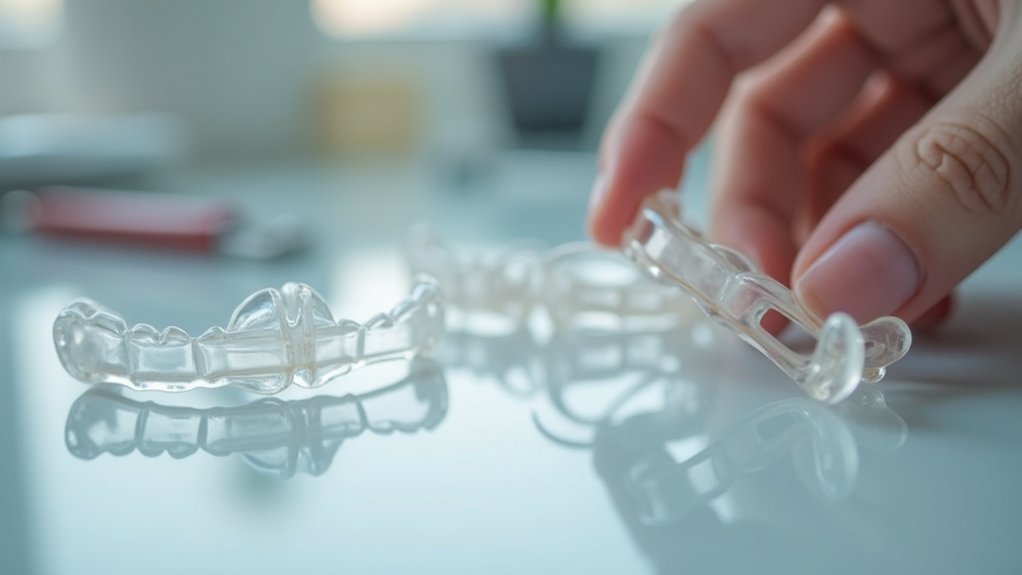

Retainers primarily maintain the alignment achieved after orthodontic treatment, but they can assist with minor adjustments if worn consistently. They aren’t designed to move teeth back into place like braces do, so significant misalignments typically require professional intervention. If your retainer no longer fits or you notice discomfort, it may indicate shifting. Understanding the role of retainers is essential for effective treatment, and there’s more to explore about managing post-treatment alignment issues.
Key Takeaways
- Retainers primarily maintain teeth alignment rather than moving them back into position.
- Minor adjustments can be made with consistent retainer wear, but significant corrections require braces.
- Ill-fitting retainers can worsen misalignment and lead to discomfort or pain.
- Regular check-ups with an orthodontist are essential for monitoring retainer fit and effectiveness.
- Early intervention for minor shifts can prevent larger alignment issues and the need for more extensive treatment.
What Are Retainers?
Retainers are vital orthodontic devices crafted to fit snugly over your teeth, guaranteeing they maintain their new alignment after braces or clear aligners are removed.
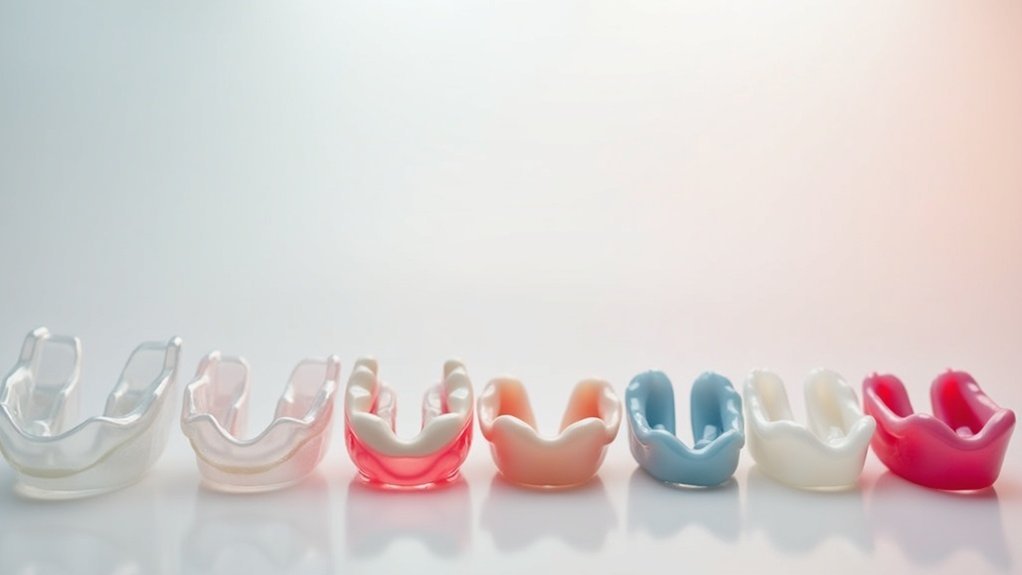
Custom-made using impressions or X-rays, retainers come in various types, including removable (Hawley and clear) and fixed options.
Wearing retainers as instructed is essential, as they help prevent teeth shifting back to their original positions due to the natural flexibility of bones and teeth.
While retainers aren’t designed to straighten teeth or correct significant misalignments, they can assist with minor adjustments if worn consistently, helping preserve your orthodontic alignments effectively.
Regular checks guarantee proper fit.
Why Need to Wear Retainers?
Wearing retainers is vital to prevent your teeth from shifting back to their original positions after orthodontic treatment.
Since human bones and teeth are flexible, retainers help maintain the results you’ve achieved and stabilize their new alignment.
Regular use and proper fit are important to guarantee that your investment in treatment remains effective.
Prevent Shifting of Teeth
After completing orthodontic treatment, the stability of your teeth’s new alignment hinges on the consistent use of retainers.
Retainers are vital to prevent shifting teeth back to their original positions. Human teeth and bones are inherently flexible, which means they can easily move without proper retainer wear.
To guarantee stability, it’s recommended to wear your retainer for about 12 hours daily for the first three months, with some orthodontists suggesting longer use.
Regularly checking your retainer’s fit is important, as a poor fit can exacerbate shifting. Non-compliance can lead to significant setbacks, undermining your orthodontic treatment investment.
Maintain Treatment Results
To maintain the results of your orthodontic treatment, consistent retainer use is essential.
Retainers offer a safeguard against your teeth moving back toward their original positions. Without consistent wear, even well-aligned teeth can shift, undermining the benefits of your treatment.
It’s typically recommended to wear your retainer for about 12 hours daily for the first three months, with some orthodontists suggesting longer wear for ideal results.
Regular checks of your retainer’s fit are vital, as a poorly fitting retainer may not effectively help your teeth stay aligned, ultimately jeopardizing your progress in maintaining results.
Flexible Bone Structure
Teeth don’t just stay in place on their own; they’re supported by a flexible bone structure that can shift over time.
This is why wearing your retainer is essential after orthodontic treatment. It stabilizes the new alignment, preventing your teeth from shifting back to their original positions.
- Flexible bone structure allows for movement.
- Retainers help maintain alignments for years.
- Non-compliance can lead to significant corrections.
- Regular checks confirm proper fit and function.
- Small corrections can prevent larger issues.
Checking the Retainer’s Quality
Checking your retainer’s quality is essential to confirm it maintains the proper alignment of your teeth. Regularly assess your retainer for any signs of damage, as an old retainer may compromise your teeth straightening efforts.
If you experience discomfort or notice that your retainer feels loose or tight, it could indicate that your teeth have shifted, and adjustments are necessary. Addressing these retainer needs promptly can prevent unwanted movement and help get your teeth back into position.
Frequent evaluations confirm your retainer remains effective, preserving the investment you made in your smile. Always consult a dental professional for necessary adjustments.
The Confusing Question: Can Retainers Fix Teeth Back?
You might wonder whether retainers can actively fix your teeth back into alignment.
While they primarily maintain positions achieved through braces, minor adjustments are possible if misalignment is recent.
However, significant shifts often require professional intervention for effective correction.
Retainers vs. Braces
While many patients may wonder if retainers can effectively reposition teeth, it’s essential to understand their primary purpose. Retainers can’t replace braces when it comes to significant realignment.
Here’s what you should know:
- Retainers maintain alignment for years post-treatment.
- They can only slightly move teeth when worn consistently.
- Major misalignment typically requires braces or clear aligners.
- Using an ill-fitting retainer can worsen alignment issues.
- Misunderstanding retainers’ role can lead to ineffective treatment.
To maintain your beautiful smile, always wear your retainer as directed, but remember its limited ability to move teeth compared to braces.
Minor Adjustments Possible
Although retainers primarily serve to maintain the alignment achieved through orthodontic treatment, they can facilitate minor adjustments in teeth positioning under specific circumstances.
If you’ve experienced slight shifting of teeth, wearing clear retainers consistently after a short break may help return them to their correct position. A tight fit often indicates that your teeth have moved, and continued use can guide them back.
However, forcing a retainer that no longer fits can exacerbate misalignment. For significant concerns, consulting with your orthodontist is essential to determine if a new retainer or further orthodontic care is necessary for best results.
Signs of Misalignment
When teeth shift out of alignment, several signs may indicate the need for further assessment. You might notice that your retainer no longer fits properly, suggesting misalignment has occurred. In such cases, a retainer might still hold your teeth but may not effectively guide them back.
Pay attention to these signs:
- Increased discomfort while wearing your retainer
- Difficulty biting or chewing
- Noticeable gaps between teeth
- Changes in your smile’s appearance
- Shifting or overlapping teeth
If you observe any of these issues, consult an orthodontist to determine the best course of action for addressing significant misalignment.
Different Post-Treatment Teeth Misalignment Issues
Teeth misalignment can occur even after orthodontic treatment, leading to various issues that affect both aesthetics and oral health.
Overlapping teeth may shift towards adjacent ones, causing crowding, while gaps can form as teeth move apart, detracting from your perfect smile.
Additionally, when teeth become too close together, proper flossing becomes difficult, increasing plaque buildup risk.
Incorrect retainer use, such as not wearing them as prescribed, can exacerbate these misalignment issues.
While minor adjustments might be achievable with retainers, significant shifts often require intervention from dental offices to prevent teeth from reverting back to their original positions for years to come.
Minor Irregularities Correction
Retainers play an essential role in correcting minor irregularities in tooth alignment, especially if you wear them consistently after orthodontic treatment.
To effectively move teeth back into their proper positions, consider the following:
- Use adjustable Hawley retainers or clear aligners for best results.
- Early intervention is vital; address minor shifts promptly.
- A tight fit indicates that teeth have shifted, necessitating consistent wear.
- Minor corrections typically require a limited timeframe, ideally within a few months.
- Regular check-ups guarantee your retainers are functioning as intended.
Signs You Need Second-Time Braces
If you’ve noticed changes in your bite or discomfort with your retainer, it may be time to evaluate whether you need braces again.
Uncomfortable or tight retainers can signify significant misalignment, indicating that your teeth have shifted. If you see visible crookedness or overlapping teeth, this may also require a second orthodontic assessment.
Excessive non-compliance with retainer wear heightens the risk of orthodontic relapse, making braces more likely. Additionally, forcing teeth into an ill-fitting retainer can cause pain and damage, underscoring the importance of consulting an orthodontist for any discomfort or alignment changes you experience.
Takeaway
While retainers play an essential role in maintaining your teeth’s new positions, they aren’t designed to move teeth back into proper alignment. If you’ve worn your retainer consistently, it can help address minor shifts, but significant corrections require professional intervention.
- Forcing a tight retainer can cause misalignment and damage.
- Consult your orthodontist if your retainer feels uncomfortable.
- Regular check-ups guarantee your retainer effectively maintains alignment.
- Addressing minor shifts early can prevent larger issues.
- Consider new aligners or braces for substantial corrections.
Always prioritize your dental health and seek expert guidance when necessary.