
Teeth grinding can definitely cause cavities. When you grind your teeth, the pressure erodes enamel and creates micro-cracks that make your teeth more susceptible to decay. This weakened enamel exposes the softer dentin layer, increasing cavity risk. Additionally, grinding can complicate oral hygiene by promoting plaque buildup, making it easier for bacteria to thrive. It’s essential to address any grinding habits and maintain good dental hygiene. You’ll find further insights on prevention and treatment options next.
Key Takeaways
- Teeth grinding, or bruxism, can erode enamel, increasing the risk of cavities due to exposure of the softer dentin layer.
- Enamel erosion from grinding creates micro-cracks that allow bacteria to penetrate, initiating decay.
- Misalignment caused by grinding complicates cleaning, leading to plaque buildup that heightens cavity risk.
- Increased tooth sensitivity and pain from grinding may deter effective oral hygiene practices, contributing to cavity formation.
- Preventative measures like custom-fit mouthguards and regular dental check-ups can help protect against cavities related to grinding.
Understanding Cavities: What They Are
Cavities, often referred to as dental caries, are small holes or pits that develop in your teeth due to decay. This tooth decay occurs when bacteria in plaque produce acids that erode your enamel.
Remarkably, tooth decay can start within 20 minutes of plaque formation after eating, emphasizing the significance of regular oral health practices. Symptoms like tooth sensitivity, pain, and visible discoloration may indicate cavities, which can worsen if left untreated.
As cavities progress, they can penetrate deeper layers, potentially leading to infection or tooth loss. Therefore, maintaining proper hygiene and scheduling regular dental check-ups is essential for prevention.
The Impact of Teeth Grinding on Enamel
Teeth grinding subjects your enamel to significant pressure, leading to erosion that thins its protective layer.
As the enamel becomes thinner, it leaves your teeth more vulnerable to cavities due to reduced defense against decay-causing bacteria.
Additionally, continuous grinding can create micro-cracks, further compromising enamel integrity and increasing cavity risk.
Enamel Erosion Mechanisms
When you grind your teeth, or experience bruxism, the extreme pressure exerted on your enamel leads to its erosion, markedly increasing the risk of decay.
Continuous grinding thins your enamel, diminishing its protective barrier against bacteria and making cavities more likely. The wear and tear from grinding can create small cracks, allowing bacteria to penetrate and contribute to tooth decay.
As enamel erosion progresses, cleaning becomes more complicated, raising the risk of plaque buildup and subsequent cavities.
Additionally, thinning enamel often results in heightened tooth sensitivity and pain, signaling potential dental problems that warrant immediate attention.
Increased Cavity Vulnerability
Erosion of enamel greatly compromises your teeth’s defenses, making them more susceptible to cavities.
Teeth grinding, or bruxism, exerts intense pressure on enamel, leading to thinning and increased vulnerability. Continuous grinding can create small cracks or chips, allowing bacteria to penetrate and initiate decay.
When enamel is thinned, the softer dentin layer becomes exposed, considerably raising cavity risk. Additionally, misalignment from bruxism complicates your oral hygiene, making effective cleaning difficult and promoting plaque buildup—a precursor to cavities.
Addressing bruxism is essential for maintaining overall dental health and protecting your teeth against the damaging effects of enamel erosion.
How Grinding Teeth Contributes to Cavity Formation
Although many may not realize it, grinding your teeth, known as bruxism, considerably weakens the enamel, making it more prone to cavities.
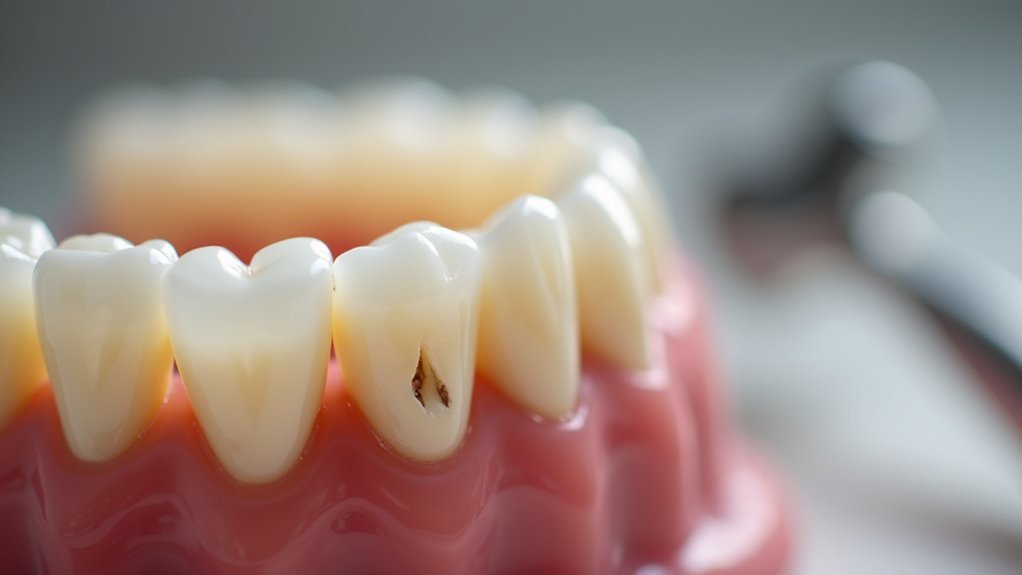
Grinding teeth can cause your enamel to become thin, increasing susceptibility to decay. As you grind, small cracks form, allowing bacteria to infiltrate and contribute to the development of cavities.
Grinding teeth can thin enamel and create cracks, allowing bacteria to enter and increase the risk of cavities.
Furthermore, the wear from grinding disrupts your enamel’s protective barrier, leading to heightened tooth sensitivity.
Misaligned teeth complicate proper oral hygiene, resulting in plaque buildup that further exacerbates cavity formation.
Addressing bruxism is essential to maintain your dental health and prevent a cycle of dental issues.
Other Factors That Cause Cavities
Cavities can arise from several factors beyond teeth grinding, including plaque buildup and poor dietary choices.
If you consume high amounts of sugar and carbohydrates without maintaining proper oral hygiene, you’re at a greater risk for decay.
Additionally, inadequate cleaning practices can lead to plaque accumulation, making it essential to adopt effective habits for cavity prevention.
Plaque Buildup and Decay
When plaque accumulates on your teeth, it creates an environment ripe for decay due to the acids produced by bacteria. This decay primarily affects your tooth enamel, leading to cavities.
Plaque can form within 20 minutes after eating, making regular brushing essential for preventing this buildup. Additionally, if you have recessed or misaligned teeth, you may struggle with proper oral hygiene, allowing plaque to thrive in hard-to-reach areas.
Be cautious, though; over-brushing or using a stiff toothbrush can damage enamel and worsen plaque buildup, increasing your risk of cavities, especially if you also grind your teeth.
Sugar and Carbohydrate Intake
Your diet plays an essential role in the health of your teeth, particularly regarding sugar and carbohydrate intake. High consumption of these substances leads to bacteria converting them into acids that erode enamel.
This process begins with plaque formation within 20 minutes of eating sugary or starchy foods. Frequent snacking exposes your teeth to harmful acids, increasing the risk of cavities.
If you grind your teeth or have recessed teeth, cleaning becomes challenging, allowing plaque buildup in hard-to-reach areas. Regular dental exams can help monitor the effects of your diet, as high sugar intake is one of the primary causes of cavities.
Inadequate Oral Hygiene Practices
Maintaining proper oral hygiene is essential for preventing cavities, and neglecting this responsibility can lead to significant dental issues.
Inadequate practices, like irregular brushing and flossing, allow plaque to accumulate, promoting decay and cavities. After consuming sugary or carbohydrate-rich foods, plaque can trigger tooth decay within just 20 minutes.
Additionally, using harsh toothbrushes or excessive brushing can damage enamel, increasing cavity risk. Recessed teeth are particularly vulnerable due to difficulty in cleaning, leading to more plaque buildup.
Regular dental check-ups are vital for early detection and treatment, especially for those who may also experience teeth grinding.
Complications Arising From Teeth Grinding
Though often overlooked, teeth grinding, or bruxism, can lead to a range of complications that greatly impact oral health.
Excessive wear and thinning of enamel from grinding increases your risk of cavities and tooth decay. Continuous bruxism may misalign your teeth, complicating proper cleaning and allowing plaque buildup, which further heightens cavity risk.
Additionally, grinding can create small cracks in damaged teeth, providing entry points for bacteria. Overdevelopment of the masseter muscle can lead to jaw pain, which may hinder your oral hygiene practices.
Ultimately, these complications make addressing cavities and other dental issues more challenging.
Identifying Signs of Teeth Grinding
Recognizing the signs of teeth grinding is essential for early intervention and prevention of further complications. If you notice any of these symptoms, consult your dentist promptly:
| Sign of Teeth Grinding | Description | Action Needed |
|---|---|---|
| Worn-down Teeth | Flat or chipped enamel | Visit the dentist |
| Tooth Sensitivity | Pain from hot or cold | Consider a night guard |
| Jaw Pain | Soreness upon waking | Discuss with a dentist |
Being proactive about the signs of bruxism can help you avoid more serious dental issues. Don’t hesitate to seek professional advice!
Treatment Options for Cavities
When cavities develop, timely treatment is vital to restore your dental health and prevent further complications.
Common treatment options include dental fillings, which effectively fill decayed areas with materials like composite resin or amalgam. If cavities progress deeper, a root canal may be necessary to remove infected tissue.
Additionally, preventative treatments such as fluoride varnishes and sealants are recommended to protect against future cavities.
Maintaining good oral hygiene through regular brushing with fluoride toothpaste and flossing is essential in minimizing the need for extensive treatments.
Regular dental check-ups enable early detection, ensuring timely intervention and ideal dental care.
Preventative Measures Against Cavities From Grinding
To effectively prevent cavities resulting from teeth grinding, it’s essential to adopt a multifaceted approach that safeguards your enamel.
Incorporate these preventative measures into your routine:
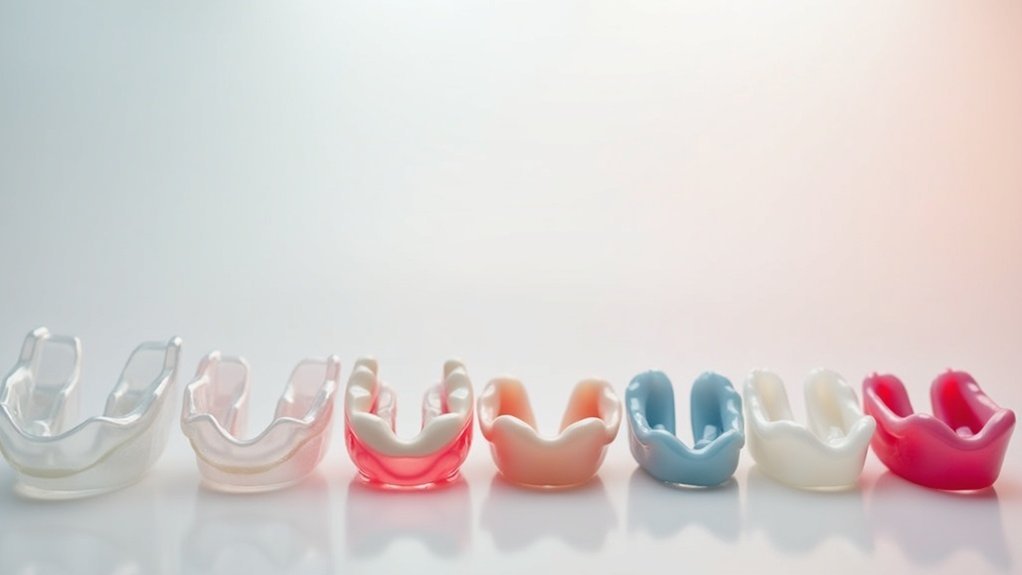
- Use a custom-fit mouthguard to reduce enamel wear from grinding teeth.
- Maintain excellent oral hygiene through regular brushing and flossing to eliminate plaque buildup.
- Schedule regular dental check-ups for early detection of enamel thinning and timely intervention.
- Manage stress with techniques like meditation or exercise to decrease grinding frequency.