
Yes, teeth can shift overnight due to factors like muscle relaxation, sleep position, and habits such as bruxism. Grinding your teeth applies pressure, which can alter alignment over time. Additionally, consistent side sleeping can create uneven jaw pressure, exacerbating issues. Failing to maintain good oral hygiene can increase the risk of mobility and misalignment as well. To learn more about what contributes to teeth shifting and how to address it, keep exploring.
Key Takeaways
- Teeth can shift overnight due to muscle relaxation and changes in jaw position during sleep.
- Bruxism, or teeth grinding, exerts pressure on teeth, leading to potential shifts in alignment.
- Consistent side sleeping can create uneven pressure on the jaw, affecting dental alignment.
- Poor oral hygiene can contribute to mobility and misalignment of teeth over time.
- Regular dental check-ups are essential for monitoring and addressing shifting issues.
Understanding Teeth Shifting
Have you ever wondered why your teeth seem to shift overnight?
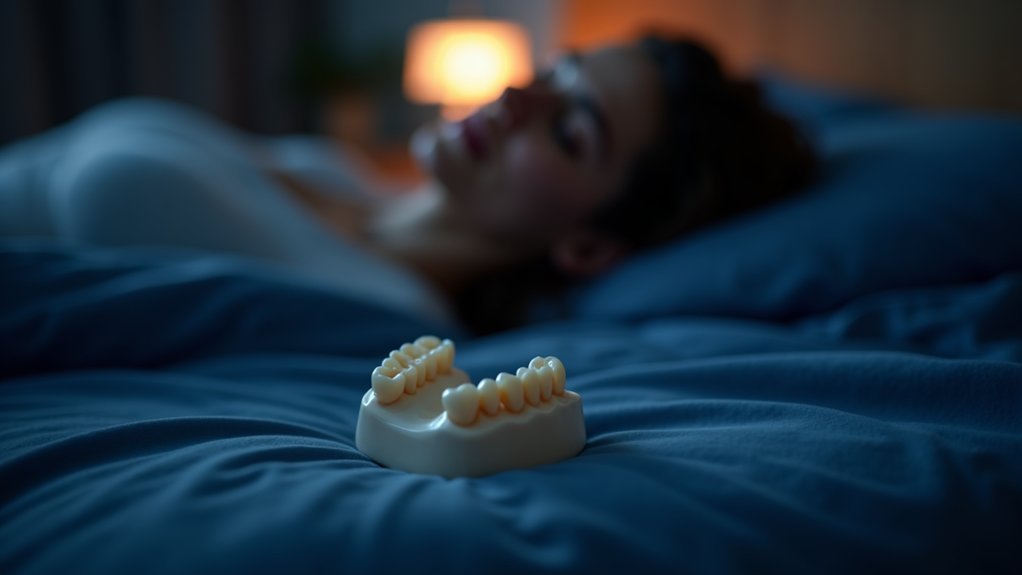
Teeth shifting can occur due to various factors, including muscle relaxation during sleep, which allows them to move slightly out of position. If you grind your teeth, the pressure on your teeth can exacerbate this issue, leading to noticeable shifts over time.
Teeth can shift during sleep due to muscle relaxation and grinding, resulting in noticeable misalignment over time.
Additionally, your sleep position may influence your dental alignment, particularly if you consistently sleep on one side. As you age, changes in your jawbone can also contribute to shifting.
Regular dental check-ups are essential to monitor and address any signs of misalignment early.
Factors Contributing to Overnight Shifts
During sleep, your teeth can shift due to factors like bruxism and your sleep position.
If you grind your teeth at night, the pressure can lead to significant changes in alignment.
Additionally, consistently sleeping on one side may create uneven pressure, further contributing to overnight shifts.
Bruxism and Teeth Shifting
Bruxism, often occurring unconsciously while you sleep, can greatly impact your dental health by causing teeth to shift overnight.
The pressure exerted during grinding forces your teeth out of alignment, leading to noticeable shifting over time. You might experience symptoms like jaw soreness and increased sensitivity, which indicate the adverse effects of bruxism.
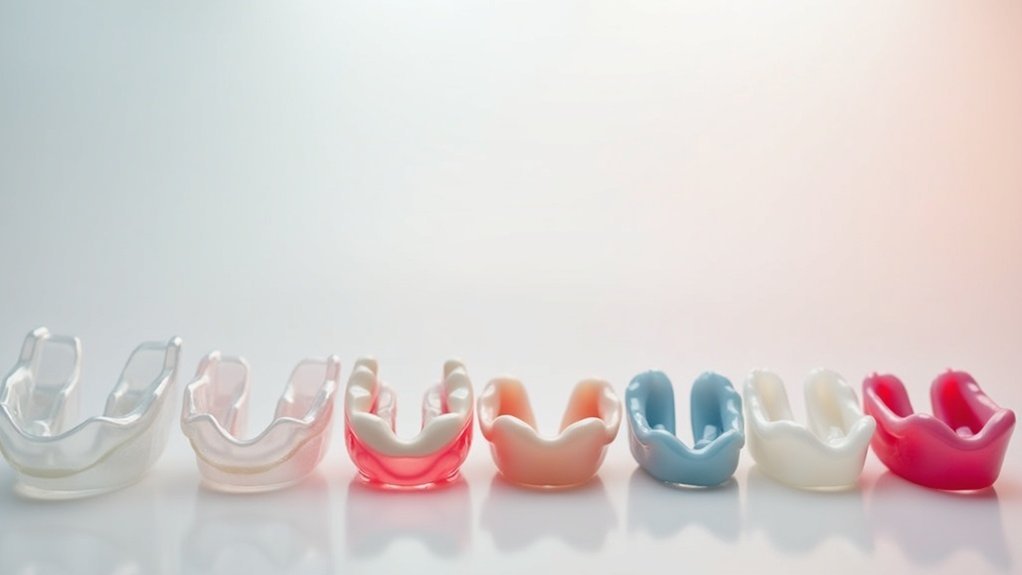
Stress and anxiety often contribute to these grinding habits, exacerbating the issue. To combat this, consider wearing a mouth guard during sleep.
It can help mitigate the pressure on your teeth, ultimately reducing the risk of further shifting and protecting your dental health.
Sleep Position Impact
Your sleep position can greatly influence the alignment of your teeth, especially if you consistently favor one side.
Uneven pressure on your jaw can lead to misalignment and teeth shifting over time. Additionally, resting your head too deeply in a pillow may negatively affect jaw alignment, increasing the risk of dental changes.
It’s crucial to turn your head while sleeping to promote better alignment and prevent shifting. If you grind or clench your teeth, muscle relaxation during sleep can further contribute to movement.
Being aware of your sleep posture and making adjustments can help maintain ideal dental alignment.
The Impact of Bruxism on Teeth Position
Bruxism, or teeth grinding, can greatly affect your dental alignment, often without you even realizing it.
As you grind your teeth at night, the pressure can push them out of their proper position, leading to long-term complications like sensitivity and jaw pain.
Addressing the causes of bruxism is essential to prevent these detrimental shifts in teeth position.
Causes of Bruxism
While many people may not realize it, teeth grinding during sleep, known as bruxism, can greatly impact your dental alignment over time.
This unconscious behavior affects about 8-10% of adults, often going unnoticed until oral health issues emerge. The significant pressure from grinding can lead to teeth shifting out of alignment, altering your bite and jaw positioning.
Stress and anxiety are primary triggers for bruxism, emphasizing the need to address these underlying causes.
Long-term Effects
Although it often goes unnoticed, the long-term effects of bruxism on teeth positioning can be significant and detrimental. When you grind your teeth, excessive pressure can lead to misalignment, causing discomfort and potential dental issues. Over time, teeth shifting occurs, resulting in increased sensitivity and the risk of cracks.
| Effect | Description | Prevention |
|---|---|---|
| Teeth Shifting | Misalignment due to grinding pressure | Use a mouthguard |
| Increased Sensitivity | Worn enamel leads to sensitivity | Regular dental check-ups |
| Jaw Pain | Changes in jaw position exacerbate pain | Awareness of grinding habits |
How Sleep Position Affects Alignment
Your sleep position plays an essential role in maintaining dental alignment, as consistently resting on one side can create uneven pressure on the jaw.
Your sleep position significantly affects dental alignment, with consistent side sleeping potentially causing uneven jaw pressure.
This pressure may lead to teeth shifting over time. Additionally, if your head sinks too deeply into a pillow, it can alter your jaw position, further contributing to misalignment.
To promote better teeth alignment, consider turning your head while sleeping. Muscle relaxation during sleep can amplify the impact of your chosen position, causing subtle shifts overnight.
Being mindful of your sleep posture is vital for minimizing these effects and supporting your overall oral health.
Importance of Oral Hygiene in Preventing Shifts
Maintaining excellent oral hygiene is essential for preventing teeth from shifting over time. Consistently brushing and flossing twice daily removes plaque, safeguarding against gum disease that can weaken the supporting structures of your teeth.
Neglecting these practices increases the risk of mobility and misalignment. Incorporating antibacterial mouthwash into your routine further bolsters your oral hygiene efforts, reducing the likelihood of periodontal disease, a significant contributor to teeth shift.
Additionally, regular dental cleanings every six months help eliminate tartar buildup and facilitate early detection of potential shifting issues. Prioritizing good oral health is vital for preventing shifts and ensuring long-term dental alignment.
Signs That Your Teeth Are Shifting
When you notice new gaps between your teeth or experience changes in how your bite feels, it may signal that your teeth are shifting.
Misalignment in your bite, where teeth no longer fit together correctly, often causes teeth to shift. You might also see crowding or overlapping, suggesting that teeth have shifted from their original positions.
A sore jaw or tightness upon waking can indicate that teeth have shifted, usually due to grinding or clenching at night.
Additionally, if you find it difficult to floss in areas that were once accessible, this could highlight potential changes in teeth positioning.
Options for Addressing Teeth Shifting
Addressing teeth shifting effectively requires a proactive approach, as various options are available to help restore alignment.
| Treatment Option | Description |
|---|---|
| Retainers | Essential for maintaining alignment post-treatment. Consistent wear is key. |
| Clear Aligners | Discreet and customizable, ideal for gradual correction of shifted teeth. |
| Traditional Braces | Extensive solution for significant shifting and complex alignment issues. |
Additionally, consider dental implants or bridges for gaps to prevent shifting and gum treatments to strengthen support structures. Choose the right option based on your specific needs to achieve favorable results.