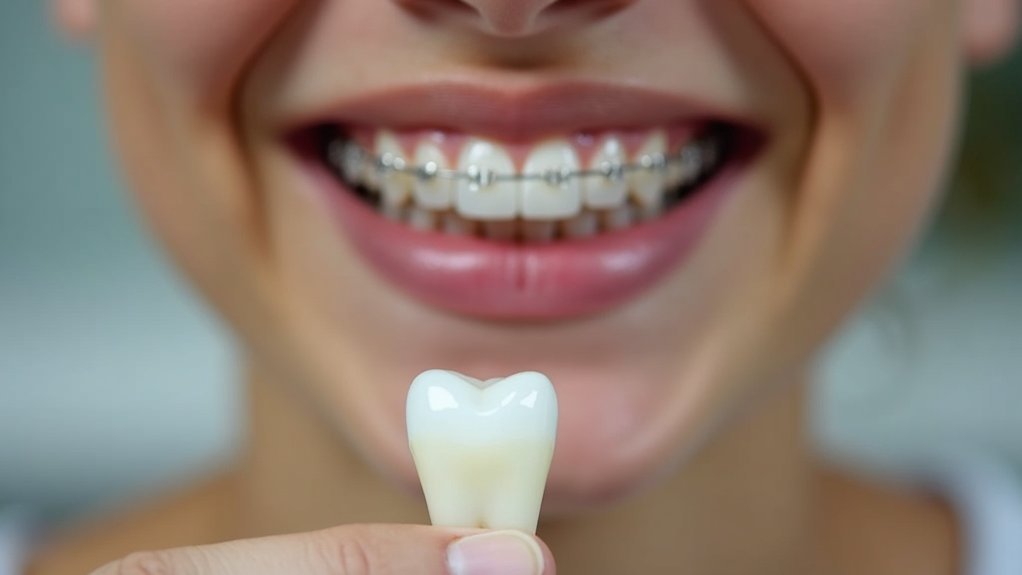

Emerging wisdom teeth can potentially shift your teeth after braces due to pressure on adjacent teeth, which might disrupt alignment. While studies suggest that the force from wisdom teeth isn’t significant enough to cause major shifts, individual factors can play a role in tooth movement. It’s essential to regularly monitor your wisdom teeth and use retainers as recommended by your orthodontist. For a clearer understanding of this interaction and its implications, there’s more to explore on this topic.
Key Takeaways
- Wisdom teeth can exert pressure on adjacent teeth, potentially leading to misalignment post-braces.
- Impacted wisdom teeth may cause discomfort and exacerbate alignment issues.
- Studies show wisdom teeth do not significantly shift teeth after braces; natural aging causes more tooth movement.
- Regular monitoring by orthodontists is essential during treatment to address wisdom teeth impacts.
- Retainers are crucial in maintaining alignment after braces, especially with emerging wisdom teeth.
Understanding Wisdom Teeth
Understanding wisdom teeth is crucial, especially since these third molars typically emerge during your late teens to early twenties. Not everyone develops wisdom teeth; some may have one, two, three, or none.
However, when they do emerge, they can impact your oral health. Common issues include impaction, crowding, and discomfort, especially if there’s insufficient space. Impacted wisdom teeth may lead to infections and decay, risking damage to adjacent teeth.
While removal is a common procedure, it’s not always necessary if they can erupt without problems. Monitoring their development is important, particularly if you’ve recently undergone orthodontic treatment.
The Potential for Shifting
As your wisdom teeth emerge, they can exert pressure on adjacent teeth, leading to potential misalignment.
This shifting can disrupt the careful alignment achieved through braces, making monitoring your dental health essential.
Regular check-ups will help you address any changes before they become significant issues.
Pressure From Emerging Teeth
When wisdom teeth begin to emerge, they can create significant pressure on adjacent teeth, potentially leading to misalignment. This pressure can cause your previously aligned smile to shift, especially if there’s insufficient space in the jaw.
As an orthodontist, I often see how impacted wisdom teeth exacerbate alignment issues, resulting in discomfort and potential crowding. Regular monitoring of wisdom teeth growth during orthodontic treatment is essential to address any shifting or alignment concerns early on.
Impact on Adjacent Teeth
Emerging wisdom teeth can exert significant pressure on adjacent teeth, leading to potential shifting and misalignment. This pressure may cause crowding, especially if your mouth is already tight. Regular monitoring of wisdom teeth is crucial to prevent disruption of the results achieved through braces.
| Impact Type | Description | Potential Outcome |
|---|---|---|
| Pressure | Exerted by emerging teeth | Shift in adjacent teeth |
| Crowding | Insufficient space | Misalignment |
| Eruption Issues | Impacted wisdom teeth | Further alignment problems |
| Shifting | Pressure on neighboring teeth | Loss of braces effectiveness |
| Monitoring | Regular dental check-ups | Maintain ideal alignment |
Monitoring Alignment Changes
Monitoring alignment changes is essential for maintaining the results of orthodontic treatment. As your wisdom teeth emerge, they can create pressure on adjacent teeth, leading to potential misalignment, especially in tight spaces.
Regular check-ups with your orthodontist or dentist during late adolescence and young adulthood are vital. While research shows that wisdom teeth generally don’t exert enough force to considerably shift teeth post-braces, impacted wisdom teeth can complicate matters, causing discomfort and increasing infection risks.
If you notice any changes in your bite or experience discomfort, consult your orthodontist promptly to manage these potential risks effectively.
The Role of Retainers
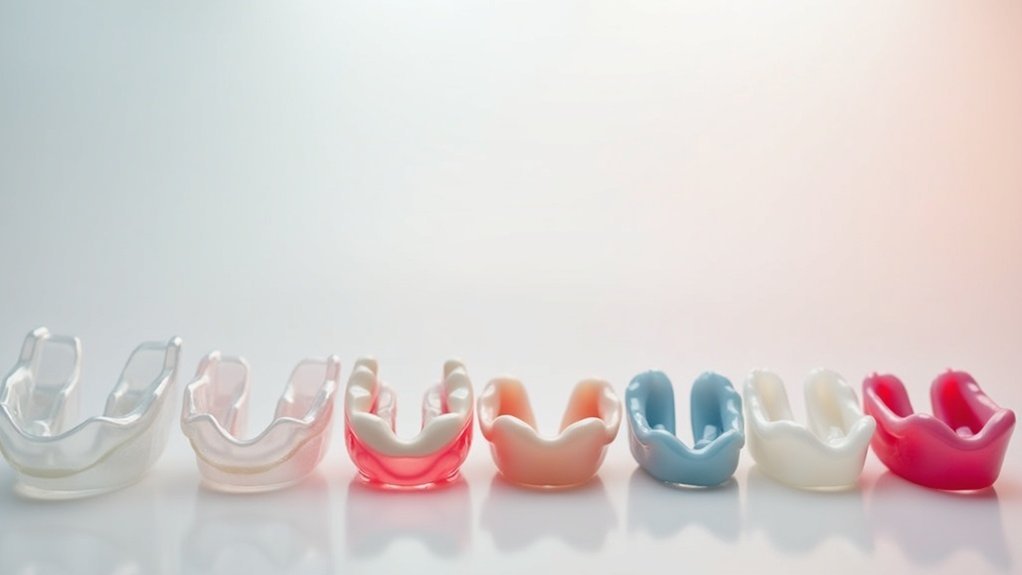
Retainers play an essential role in maintaining the alignment of your teeth after braces. They help prevent shifting, particularly during the time your wisdom teeth may erupt.
You can choose between fixed and removable retainers, each designed to stabilize teeth post-orthodontic treatment. Consistent use of retainers is important for reducing shifting risks and ensuring your teeth remain in their corrected positions. Always follow your orthodontist’s recommendations regarding wear.
Additionally, being aware of wisdom tooth eruption is critical, as changes may require adjustments to your retainer, emphasizing the importance of regular consultations with dental professionals and maintaining good oral hygiene.
Addressing Wisdom Teeth
Wisdom teeth often pose challenges after orthodontic treatment, potentially affecting your newly aligned smile.
Regular checkups with your orthodontist or dentist are essential for monitoring the development and eruption of these teeth. If you notice discomfort or signs of impaction, it’s important to consult your dental professional about removal options.
They may recommend extraction to prevent complications like decay, infection, or misalignment of adjacent teeth. Staying aware of any changes in your bite or alignment is significant, and coordinating care between your orthodontist and dentist can help address concerns related to wisdom teeth effectively.
Maintaining Your Results
To maintain the results of your orthodontic treatment, consistent retainer use is essential, especially as wisdom teeth begin to erupt.
Regular dental check-ups allow your dentist to monitor any changes in alignment and guarantee your teeth remain stable.
Staying proactive about your oral health can help you avoid complications and keep your smile looking its best.
Importance of Retainer Use
Maintaining the results of your orthodontic treatment is essential, especially when considering the potential impact of emerging wisdom teeth.
Retainers play an important role in preserving your teeth’s alignment and preventing shifting during this critical period. Consistent use of retainers reduces the risk of natural movements that commonly occur in late teens to early adulthood, coinciding with wisdom teeth eruption.
Compliance with your orthodontist’s instructions is imperative; failing to wear retainers as prescribed can lead to misalignment.
Regular follow-ups guarantee your retainers effectively maintain your beautiful smile, safeguarding the results achieved through braces against unwanted changes.
Regular Dental Check-ups
Regular dental check-ups are essential for ensuring your orthodontic results remain intact, especially as your wisdom teeth develop.
These visits help to:
- Monitor the position of your wisdom teeth.
- Assess the need for wisdom teeth removal if they threaten alignment.
- Detect early signs of decay or infection.
- Address any discomfort or changes in your bite.
Monitoring Wisdom Teeth Eruption
As your wisdom teeth begin to erupt, it’s important to monitor their development closely to guarantee they don’t jeopardize the alignment achieved through braces.
Regular orthodontic check-ups are essential for evaluating the eruption of wisdom teeth and their potential impact on your bite. Being aware of any changes is significant, as they may affect your retainer fit and overall stability.
Your orthodontist can use X-rays to assess their position, determining if extraction is necessary. Proactive monitoring allows you to address discomfort or misalignment early, ensuring your orthodontic results remain intact.
Communicate openly with your orthodontist about any concerns you have.
Wisdom Teeth and Tooth Shifting
While many people worry that wisdom teeth might shift their other teeth after braces, research shows this concern is largely unfounded.
Here are four key points to reflect upon:
- Wisdom teeth typically emerge between 17 and 25 years old.
- They don’t exert enough force to influence tooth shifting post-orthodontic treatment.
- Studies indicate no significant pressure changes whether wisdom teeth are present or removed.
- Natural tooth movement is primarily due to aging, not wisdom teeth.
Orthodontic professionals affirm that wisdom teeth eruption doesn’t disrupt braces results, making removal unnecessary for preventing tooth shifting.
Reasons for Wisdom Teeth Removal
Understanding the reasons for wisdom teeth removal can help you make informed decisions about your oral health.
Dental professionals often recommend this procedure to prevent pain, decay, and gum disease due to insufficient space in your mouth. Impacted wisdom teeth can cause inflammation and infections, potentially harming neighboring teeth and your overall oral health.
Additionally, they may result in misalignment and discomfort, especially if they only partially erupt. By evaluating wisdom teeth early, you can determine the best timing for removal, particularly in relation to your orthodontic treatment, ensuring proper alignment and maintaining a healthy smile.
Braces and Wisdom Teeth
When wisdom teeth emerge, they can coincide with the completion of your braces treatment, raising concerns about potential alignment issues.
However, it’s important to understand the following:
- Wisdom teeth don’t typically exert enough force to considerably affect alignment after braces.
- Monitoring is essential; discomfort or misalignment may warrant removal.
- Retainer use is crucial during late teens to maintain your healthy smile.
- Orthodontists assess the need to remove wisdom teeth on a case-by-case basis.