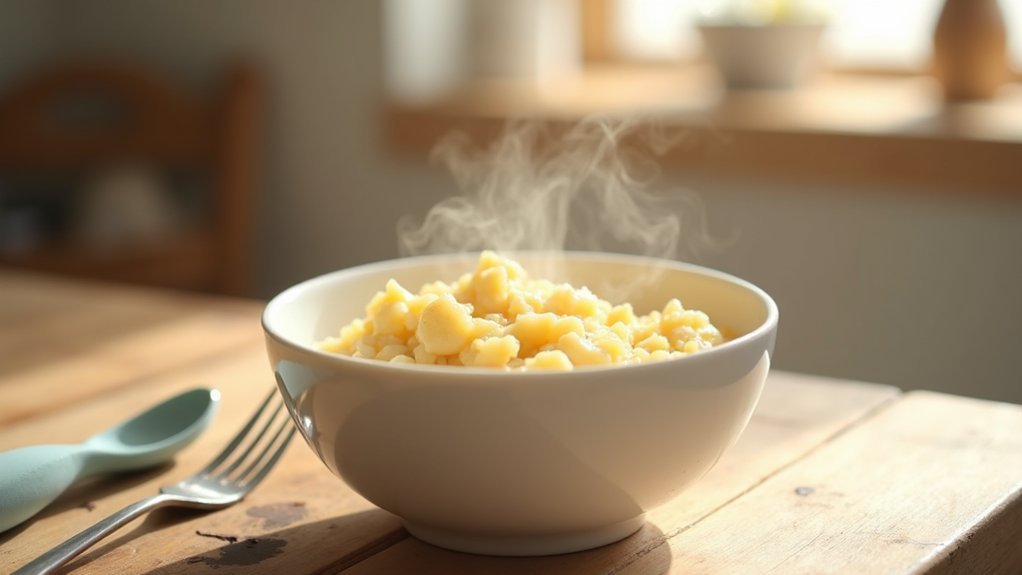

Yes, you can eat grits after wisdom teeth removal. They’re soft, easily digestible, and provide essential carbohydrates for energy during your recovery. Make sure to cook them until smooth and creamy to avoid discomfort. Stick to warm grits, avoiding hard or crunchy toppings. While grits are a great choice, it’s important to know what other soft foods you can include and what to avoid for a smooth healing process. You’ll find helpful tips ahead.
Key Takeaways
- Grits are soft and easily digestible, making them ideal for consumption after wisdom teeth removal.
- Their warm temperature helps prevent irritation to sensitive extraction sites.
- Grits provide essential carbohydrates for energy during the recovery process.
- Ensure grits have a smooth, creamy texture to avoid discomfort while swallowing.
- Enhance grits with soft toppings like butter or cheese, avoiding hard or spicy additions.
The Benefits of Eating Grits After Surgery
After undergoing wisdom teeth removal, you’ll want to focus on foods that are easy to eat and gentle on your mouth, and grits fit that description perfectly.
They’re soft and easily digestible, making them ideal for your healing process. Served warm, but not hot, grits won’t irritate your extraction sites.
Additionally, they provide essential carbohydrates, giving you energy while your body recovers. With low fiber content, they help avoid discomfort during the initial recovery phase.
Grits are a gentle, energy-boosting option with low fiber, perfect for a smooth recovery.
You can enhance grits with soft toppings like butter or cheese, ensuring they remain flavorful while still being a gentle option for your diet.
Preparation Tips for Grits
When preparing grits after wisdom teeth removal, aim for a smooth and creamy texture that’s easy to swallow. Use plenty of water or broth to achieve this soft consistency.
Cook grits on low heat, stirring continuously to prevent lumps, which can make them difficult to eat. Avoid hard toppings like cheese or bacon bits; instead, mix in soft ingredients like butter or pureed vegetables for added flavor.
Once cooked, allow the grits to cool to a warm, but not hot, temperature to prevent irritation. Instant grits are a quick option; just follow package instructions for the best results.
Other Soft Foods to Consider
After wisdom teeth removal, it’s crucial to explore other soft food options that can aid your recovery.
Nutritious smoothies packed with fruits and yogurt, soft vegetables like mashed potatoes or cooked carrots, and easy-to-eat dairy products such as cottage cheese can provide the necessary nutrients without discomfort.
These choices will help guarantee you maintain a balanced diet while healing.
Nutritious Smoothie Options
While recovering from wisdom teeth removal, nutritious smoothies can be a delicious and beneficial choice. They’re easy to consume and packed with essential vitamins and minerals.
Consider these options:
- Blend soft fruits like bananas, berries, or peaches with yogurt or milk.
- Add protein-rich ingredients like Greek yogurt or protein powder for muscle recovery.
- Incorporate spinach or kale for extra fiber and nutrients.
- Customize with nut butters or oats for added nutrition.
Remember to avoid using straws to prevent dislodging blood clots.
Smoothies can be a delightful part of your healing journey!
Soft Vegetable Choices
Choosing soft vegetable options during your recovery from wisdom teeth removal can considerably aid in your healing process.
Soft vegetables like mashed potatoes, carrots, and squash are gentle on extraction sites and packed with essential nutrients. Consider incorporating steamed or puréed vegetables, such as peas and zucchini, as they require minimal chewing and are easy to digest.
Soft vegetable soups can also provide hydration and nutrition, making them perfect for your recovery. Mashed sweet potatoes are another excellent choice, rich in vitamins and antioxidants.
Just remember to avoid firm or crunchy vegetables that could irritate your healing sites.
Easy-to-Eat Dairy
Incorporating easy-to-eat dairy products into your diet can considerably enhance your recovery after wisdom teeth removal.
Dairy offers essential nutrients and pairs well with grits, making it a comforting option. Consider these soft food choices:
- Yogurt – Creamy and soothing, it’s perfect for healing.
- Cottage Cheese – Soft and rich in protein, it complements grits nicely.
- Cream Cheese – Spreadable and rich, add it to soft foods for flavor.
- Cheese Sauce – Drizzle over warm grits for a delicious, nutritious boost.
These dairy options can enhance your healing journey while providing necessary sustenance.
Foods to Avoid After Tooth Extraction
After a tooth extraction, it’s crucial to steer clear of certain foods that can hinder your healing process.
During surgery recovery, avoid hard, crunchy, or chewy foods, as they can irritate the extraction site. Spicy and acidic foods can increase inflammation, so it’s best to keep them off your plate.
Steer clear of nuts, jerky, and hard candies that require significant chewing. Sugary foods should also be limited to support overall dental health.
Finally, don’t drink through a straw, as the suction can dislodge blood clots, complicating your wisdom teeth removal recovery.
Prioritize soft foods for a smoother healing experience.
Recovery Tips for a Smooth Healing Process
To guarantee a smooth healing process following wisdom teeth removal, it’s essential to prioritize soft foods that minimize irritation to the extraction sites.
Here are some tips to keep in mind:
- Gradually introduce creamy grits and other soft foods within the first 24 hours post-surgery.
- Maintain a consistent eating schedule with these soft foods to provide essential nutrients and hydration.
- Confirm the texture of your grits is smooth, avoiding any lumps that could cause discomfort.
- Steer clear of spicy or acidic ingredients for at least two weeks to prevent inflammation at the extraction sites.
Following these guidelines can support your recovery effectively.
When to Contact Your Dentist
Although most recoveries after wisdom teeth removal go smoothly, there are certain situations where you should contact your dentist.
Most wisdom teeth removals heal well, but contact your dentist if you notice any unusual signs.
If you experience excessive bleeding that doesn’t subside after a few hours, it may indicate a complication. Signs of infection, like increased pain, swelling, fever, or a bad taste, warrant immediate attention.
If your pain worsens instead of improving during the healing process, reach out to your dentist. Additionally, persistent numbness or tingling beyond the expected duration should be evaluated.
Finally, if you can’t eat or drink due to discomfort, consult your dentist for guidance on managing your recovery.