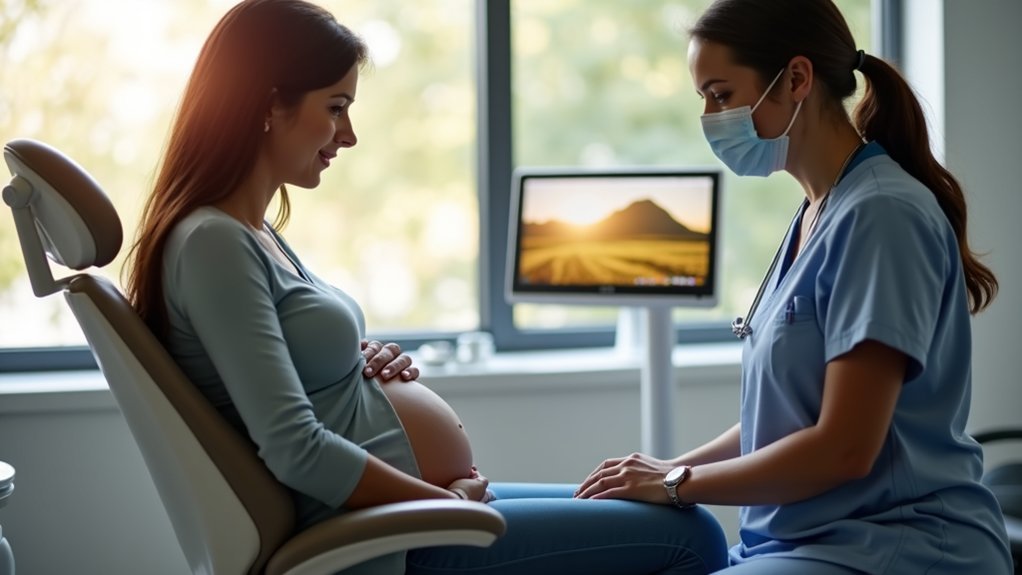

Yes, you can have your wisdom teeth removed while pregnant, especially if they’re infected or causing pain. The second trimester is the safest period for extraction, as local anesthesia is typically safe for both you and your baby. It’s essential to consult with your dentist and obstetrician to assess your specific situation. There are also non-invasive alternatives and safe pain management options available. Continue to explore the guidelines on dental care during pregnancy for more insights.
Key Takeaways
- Wisdom teeth extraction during pregnancy is generally safe, especially in the second trimester when risks are lower.
- Local anesthesia is typically safe for the fetus, while IV sedation should be avoided unless absolutely necessary.
- Regular dental check-ups can help monitor wisdom teeth and determine the need for extraction.
- Infected or painful wisdom teeth may require removal, with maternal health being the priority.
- Post-extraction pain management should involve pregnancy-safe medications, and ice packs can help reduce swelling.
Weighing the Risks of Tooth Extraction During Pregnancy
When considering wisdom teeth removal during pregnancy, it’s important to weigh the potential risks against the benefits.
Generally, extraction is recommended for infected or painful wisdom teeth to prevent dental infections that could compromise oral health and maternal well-being.
The second trimester is regarded as the safest period for tooth extraction, minimizing risks compared to the first and third trimesters. Local anesthesia is typically safe, while IV sedation is avoided unless necessary.
The second trimester offers the safest window for wisdom teeth extraction, reducing risks associated with earlier and later stages of pregnancy.
Expectant mothers should have a thorough consultation with both their obstetrician and dentist to assess individual circumstances and determine if extraction is essential during pregnancy.
Safety of Wisdom Teeth Removal in Pregnant Patients
While dental procedures during pregnancy can raise concerns, wisdom teeth removal is generally safe for expectant mothers when performed with appropriate precautions.
Local anesthesia effectively targets the mouth, ensuring minimal impact on fetal health. Modern dental x-rays, accompanied by protective aprons, further safeguard both mother and child from excessive radiation.
Although IV sedation isn’t typically recommended, it may be considered in complicated cases requiring urgent attention. Safe antibiotics are available to address potential infections post-extraction, prioritizing maternal health.
The second trimester is often the preferred time for these procedures, balancing safety and necessity for pregnant patients.
Preferred Timing for Wisdom Teeth Extraction
Wisdom teeth extraction is often best timed for the second trimester of pregnancy, as this period minimizes risks and enhances comfort for the mother.
During this pregnancy stage, the risks associated with oral surgery are lower, making it an ideal time for removing wisdom teeth.
First trimester extractions are discouraged due to the potential harm to fetal development, while the third trimester can lead to discomfort during lengthy dental procedures.
If you face complications like impacted wisdom teeth or severe pain, tooth extraction during pregnancy may be necessary, but prioritizing maternal health is essential.
Always consult your dentist for tailored advice.
Alternative Treatment Options
If you’re pregnant and facing issues with your wisdom teeth, there are several alternative treatment options to contemplate before opting for extraction. Non-invasive dental treatments include monitoring wisdom teeth and utilizing pain management strategies with pregnancy-safe medications. Regular dental check-ups can help assess your oral health and determine if delaying extraction is appropriate. Additionally, antibiotics for infections provide a non-surgical approach, minimizing risks to your overall health.
| Treatment Option | Description |
|---|---|
| Monitoring Wisdom Teeth | Regular assessments to track changes |
| Pain Management Strategies | Use of safe medications to alleviate discomfort |
| Antibiotics for Infections | Treats infections without surgery |
| Delaying Extraction | Postponing procedure until after childbirth |
Pain Relief After Extraction
After having your wisdom teeth extracted during pregnancy, it’s important to manage pain effectively while ensuring safety for both you and your baby. Consult your oral surgeon for safe pain relievers that won’t harm your pregnancy.
Managing pain after wisdom teeth extraction during pregnancy is crucial; consult your oral surgeon for safe relief options.
In the initial 24 hours, apply ice packs to reduce swelling and discomfort. Maintain a soft or liquid diet to facilitate healing and avoid irritation.
Prioritize oral hygiene by gently brushing and using warm saltwater rinses to prevent infection.
Rest and recovery are essential; avoid strenuous activities to support your body’s healing process after wisdom teeth removal and alleviate any severe pain.