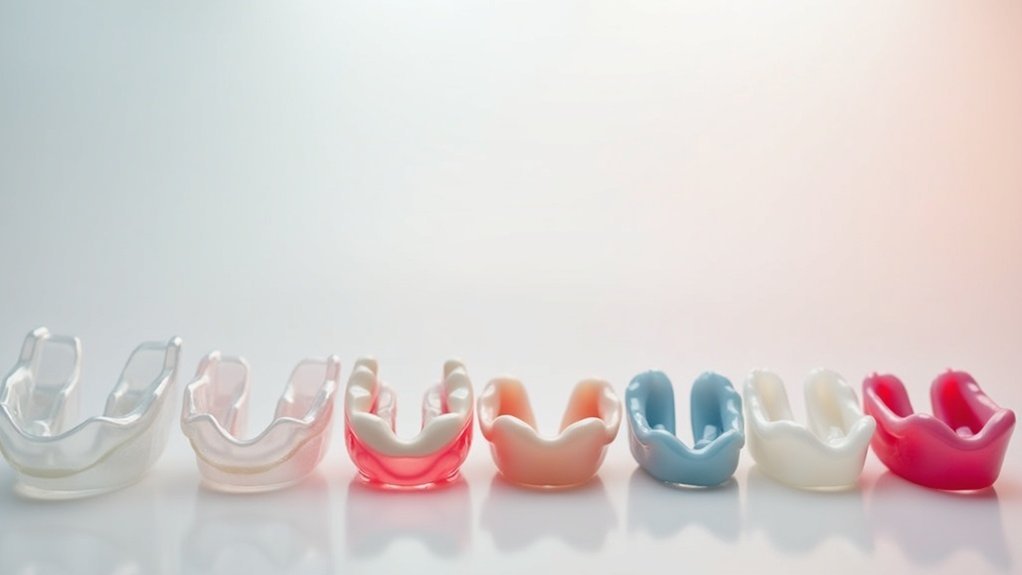

Yes, stress can lead to tooth loss. It often causes bruxism, where you grind or clench your teeth, damaging enamel and possibly resulting in cracked teeth. Stress also weakens your immune system, increasing the risk of gum disease, which can lead to tooth loss if untreated. Neglecting oral hygiene during stressful times further compounds these problems. It’s essential to manage stress effectively to protect your dental health. Explore more on how stress impacts your teeth and what you can do.
Key Takeaways
- Chronic stress can lead to bruxism, causing teeth grinding that may result in tooth fractures or loss.
- Stress weakens the immune system, increasing susceptibility to gum disease, which can ultimately lead to tooth loss.
- Neglecting oral hygiene during stressful periods heightens the risk of cavities and periodontal disease, potentially causing tooth loss.
- Changes in oral bacteria due to stress can contribute to gum disease, which is a major factor in losing teeth.
- Regular dental check-ups are essential to identify and address stress-related dental issues before they result in tooth loss.
Understanding the Connection Between Stress and Dental Health
When you experience chronic stress, it can considerably impact your dental health in ways you mightn’t immediately recognize.
Stress causes neglect of oral hygiene, often leading to increased cavity risks and periodontal disease. Elevated cortisol levels weaken your immune system, making it harder for your body to fight infections, potentially resulting in gum disease like periodontitis.
Stress can lead to poor oral hygiene, increasing the risk of cavities and gum disease due to a weakened immune system.
Additionally, stress may contribute to bruxism, where you grind or clench your teeth, causing enamel wear and fractures.
Regular dental assessments are essential for detecting these stress-related issues early, ensuring timely intervention to protect your smile and overall well-being.
The Role of Bruxism in Tooth Loss
Bruxism, often triggered by stress, involves grinding or clenching your teeth, which can lead to serious dental issues.
You might notice symptoms like jaw pain or worn enamel, and over time, this excessive pressure can result in cracked teeth and even tooth loss.
Understanding the causes, recognizing the symptoms, and exploring prevention and treatment options are essential for protecting your dental health.
Causes of Bruxism
Stress often serves as a major trigger for bruxism, leading to unconscious grinding and clenching of your teeth.
With over 70% of bruxism cases linked to stress, the impact on your dental health can be significant. Chronic teeth grinding causes worn enamel, cracked teeth, and increased sensitivity, all of which may lead to tooth loss over time.
Additionally, bruxism can worsen existing issues like periodontal disease, heightening the risk for tooth loss. The pressure from grinding may also misalign your teeth, creating gaps that further increase this risk.
Managing stress and using mouth guards can help protect your dental health.
Symptoms and Consequences
Although many people mightn’t realize it, the symptoms of bruxism can greatly impact your dental health if left unaddressed. Involuntary grinding and clenching can lead to headaches, jaw pain, and tooth sensitivity.
Over time, this wear can result in fractures or even tooth loss. Additionally, about 70% of bruxism cases are linked to stress, showing a strong connection between mental health and dental health.
Grinding can also worsen existing conditions, like gum disease, increasing your risk of losing teeth. Protecting your smile is essential, so it’s important to recognize these symptoms and seek appropriate support.
Prevention and Treatment Options
When left unaddressed, the consequences of teeth grinding can escalate, making it crucial to explore effective prevention and treatment options.
Using a mouth guard during sleep is a simple yet effective strategy to protect your teeth from the damaging effects of bruxism. Regular dental check-ups are essential for early detection of any issues, allowing for timely interventions that safeguard your oral health.
Additionally, managing stress through mindfulness or therapy can considerably reduce teeth grinding occurrences.
How Gum Disease Is Linked to Stress
Stress can weaken your immune system, making you more vulnerable to gum disease.
When stress causes you to neglect your oral hygiene, it increases the risk of developing conditions like gingivitis or periodontitis.
Recognizing the link between stress and oral health is essential for maintaining a healthy smile.
Stress and Immune Response
Chronic stress can greatly impact your immune response, making you more vulnerable to infections like gum disease. Elevated cortisol levels weaken your immune system, increasing susceptibility to periodontal issues.
Stress can also alter your oral bacteria, further contributing to gum disease. When you’re stressed, you might neglect your oral hygiene, which only exacerbates the risk of inflammation and infection.
Untreated gum disease can progress silently, leading to tooth loss and allowing harmful bacteria to enter your bloodstream, impacting your overall health.
Recognizing the link between stress and your immune system is essential for maintaining both dental and general well-being.
Oral Hygiene Neglect Effects
Neglecting your oral hygiene can have serious consequences, particularly during stressful times when maintaining routines often takes a backseat.
Stress can lead you to skip brushing and flossing, allowing plaque to build up and irritate your gums. This neglect increases the risk of gum disease, which can escalate from gingivitis to periodontitis.
Stress also weakens your immune response, making infections more likely. Additionally, unhealthy coping mechanisms, like consuming sugary foods, can further harm your gums and teeth.
Regular dental check-ups are essential during these periods to monitor your oral health and catch any signs of gum disease early.
The Impact of Poor Dental Hygiene During Stressful Times
When life’s pressures mount, many people find their oral hygiene routines slipping away, which can lead to significant dental issues. Neglecting to brush and floss can result in cavities and gum disease, jeopardizing your teeth’s health.
Stress often brings fatigue and a lack of motivation, making it easy to overlook crucial habits. Additionally, comfort eating sugary foods during tough times can worsen dental decay.
Studies indicate that poor dental hygiene can silently progress into periodontal disease, potentially causing tooth loss. Regular check-ups are essential for spotting early signs of decline in your oral health amidst stress.
The Effects of Stress on Oral Health
Stress can considerably impact your oral health, often in ways you might not immediately recognize. Chronic stress leads to teeth grinding, or bruxism, which wears down enamel and can cause tooth loss. Elevated cortisol levels weaken your immune system, increasing susceptibility to gum disease. Stress may also cause you to neglect oral hygiene, heightening the risk for cavities. Additionally, canker sores from stress complicate eating and hygiene practices. The cumulative effects of stress highlight the importance of effective stress management to protect your smile.
| Effect of Stress | Impact on Oral Health |
|---|---|
| Teeth Grinding | Enamel wear, tooth fractures |
| Weakened Immune System | Increased gum disease risk |
| Neglected Hygiene | Higher cavities and periodontal disease |
| Canker Sores | Discomfort, eating difficulties |
| Cumulative Effects | Serious dental issues over time |
Preventive Measures to Protect Your Teeth
To safeguard your teeth against the detrimental effects of stress, adopting proactive preventive measures is essential.
Managing stress through exercise or mindfulness can prevent issues like bruxism and gum disease. Consider utilizing a custom mouth guard from your dental professional to protect against nighttime grinding.
Maintaining a consistent oral hygiene routine, including regular brushing and flossing, is vital to mitigate stress-related dental problems. Schedule regular dental check-ups for early detection of issues such as gum disease.
Finally, avoid unhealthy coping habits like smoking and excessive alcohol consumption to promote overall oral health and reduce the risk of complications.
Seeking Professional Help for Stress-Related Dental Issues
If you’ve noticed changes in your dental health that might be linked to stress, seeking professional help is essential.
Dental professionals can identify early signs of issues like bruxism, which leads to teeth grinding and can result in losing teeth. They’ll provide tailored advice, helping you manage conditions such as Dry Mouth and gum disease.
Regular consultations allow for personalized oral care routines and protective measures, like mouth guards, to safeguard your teeth during stressful times.
Tips for Managing Stress to Maintain Oral Health
While managing stress might seem challenging, implementing effective strategies can greatly benefit your oral health.
Here are some tips to help you maintain dental care while reducing stress:
- Engage in regular exercise to lower stress levels and reduce bruxism risk.
- Practice mindfulness techniques, like meditation or deep breathing, to combat stress’s negative effects.
- Stick to a consistent oral hygiene routine, brushing twice daily and flossing to protect your teeth.