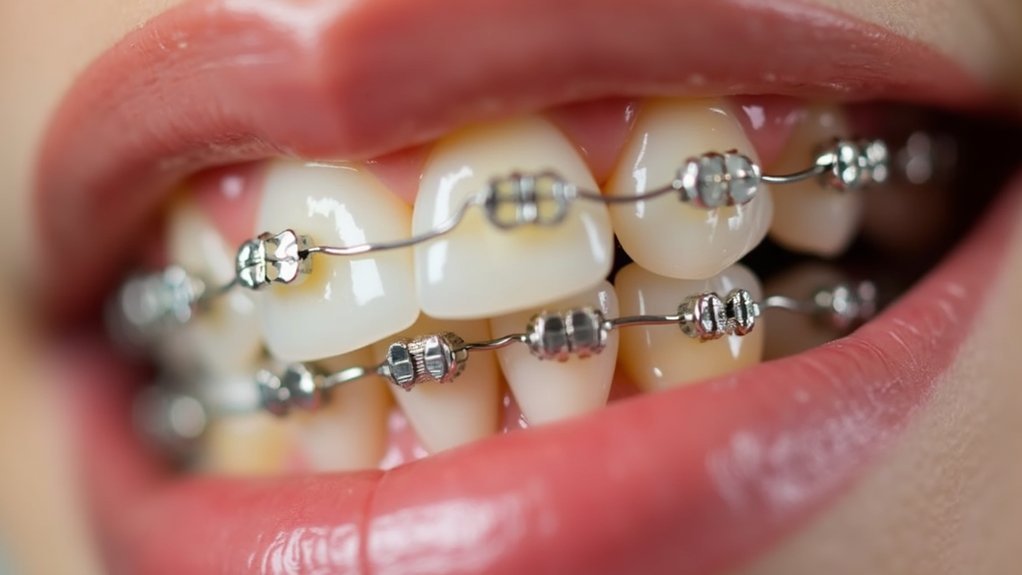

Braces don’t weaken your teeth; they apply controlled pressure that helps move them into the correct position. This pressure triggers bone remodeling, which is part of the natural process. However, maintaining proper oral hygiene is essential to prevent plaque buildup and enamel demineralization. While temporary discomfort and tooth mobility are normal, they indicate effective treatment. Staying informed about your orthodontic journey can further enhance your experience and understanding of how braces work.
Key Takeaways
- Braces apply controlled pressure to teeth, promoting alignment without inherently weakening them.
- Proper oral hygiene is crucial to prevent demineralization and maintain enamel health during brace treatment.
- Temporary tooth mobility is normal during orthodontic treatment, indicating effective pressure and bone remodeling.
- Regular dental check-ups are essential to monitor tooth health and prevent potential issues during brace wear.
- Orthodontic treatment is designed to be safe, focusing on long-term dental health and aesthetics.
Understanding the Mechanics of Braces
As you start your orthodontic journey, it’s essential to understand how braces function to move your teeth into alignment.
Braces apply continuous pressure, activating bone remodeling via osteoclasts and osteoblasts, facilitating the movement of teeth. This pressure affects the periodontal ligaments, causing temporary looseness, a normal part of the adjustment process.
While there’s a risk of demineralization from plaque, diligent oral hygiene can mitigate this. Modern orthodontic treatments have reduced root resorption incidence, ensuring tooth loss remains rare.
Common Concerns About Tooth Weakness
You might worry that braces could weaken your teeth, but it’s important to understand that they apply controlled pressure to help realign them.
Temporary tooth mobility is a normal part of the process, indicating that your treatment is progressing as intended.
Maintaining proper oral hygiene throughout your orthodontic journey is crucial to prevent any potential weakening and guarantee your teeth remain strong.
Braces and Tooth Strength
While many people worry that braces might weaken their teeth, it’s important to understand that the process is designed to enhance dental alignment rather than compromise tooth strength.
During orthodontic treatment, your teeth may feel loose, but this is a sign that braces are effectively repositioning them. Research shows that root resorption occurs in nearly all patients, yet it’s typically minimal and monitored by professionals.
Maintaining excellent dental hygiene is vital, as braces can create areas for plaque accumulation.
Ultimately, the long-term benefits of improved oral health and a well-aligned bite far outweigh any temporary discomfort you may experience.
Temporary Tooth Mobility
Temporary tooth mobility often raises concerns for patients undergoing orthodontic treatment, but it’s a normal and expected aspect of the process.
This looseness results from the pressure exerted by braces, indicating that your teeth are gradually shifting to their new positions. It reflects effective bone remodeling, where osteoclasts break down bone on the pressure side while osteoblasts form new bone on the tension side.
Most patients will experience some degree of mobility, which doesn’t mean weakness. However, persistent mobility should be addressed with your orthodontist.
Maintaining good oral hygiene is essential to prevent complications like gum disease during this time.
Importance of Oral Hygiene
Maintaining impeccable oral hygiene is essential during orthodontic treatment, as braces create additional surfaces for plaque buildup, heightening the risk of tooth decay and gum disease.
To safeguard your teeth, focus on:
- Regular brushing and flossing to eliminate plaque accumulation
- Using interdental brushes or floss threaders for effective cleaning
- Rinsing with an antibacterial mouthwash to reduce bacteria
- Scheduling routine dental check-ups to monitor oral health
- Staying vigilant about any signs of demineralization, like white spots
The Process of Tooth Movement
When you wear braces, they apply continuous pressure to your teeth, triggering a complex bone remodeling process.
This pressure leads to the resorption of bone on one side of the tooth and the formation of new bone on the opposite side, allowing for effective tooth movement.
As your teeth shift into their new positions, you may notice temporary mobility, indicating that the braces are functioning properly.
Pressure Application Mechanism
As braces exert continuous, gentle pressure on your teeth, they initiate a complex biological process that facilitates movement into desired positions.
This pressure application mechanism involves:
- Osteoclasts breaking down bone on the compression side
- Osteoblasts building new bone on the tension side
- Periodontal ligaments adapting to changes
- Temporary looseness indicating effective treatment
- A gradual orthodontic process lasting months to years
Understanding these dynamics helps you recognize that while teeth are moving, they aren’t weakening.
Instead, this process is essential for achieving the alignment you desire, reinforcing the importance of patience and adherence to your treatment plan.
Bone Remodeling Process
The bone remodeling process is essential for tooth movement during orthodontic treatment, as it involves a dynamic interplay between osteoclasts and osteoblasts.
When braces are tightened, gentle pressure is applied, causing the pressure side of the tooth to break down bone while new bone grows on the tension side. This allows your teeth to feel loose initially, indicating that movement is occurring.
Over months or years, consistent pressure shifts teeth into alignment according to your treatment plan. Once aligned, the surrounding bone stabilizes, ensuring a solid foundation for improved dental health and preventing potential complications in the future.
Tooth Mobility and Stability
Tooth mobility during orthodontic treatment isn’t just a side effect; it’s an important part of the process that facilitates effective tooth movement. As braces apply continuous pressure, your periodontal ligaments adapt, leading to temporary mobility.
Here’s what to know:
- Bone is resorbed on the pressure side and formed on the tension side.
- Stability returns once teeth are aligned correctly.
- Treatment with braces can take months or years.
- Regular orthodontic check-ups are vital for monitoring.
- Proper care guarantees healthy teeth and supporting structures.
Understanding this process helps you appreciate the importance of tooth mobility in achieving lasting results.
Addressing Temporary Discomfort
While it’s normal to experience some temporary discomfort during the initial stages of braces treatment, understanding its nature can help ease any concerns. This discomfort arises from the pressure exerted by orthodontic techniques, signaling that your teeth are shifting into position.
Initial irritation to your lips, cheeks, and tongue is common, but most adapt quickly. To manage discomfort during this adjustment period, consider saltwater rinses or over-the-counter pain medications for acute relief.
Regular check-ups with your orthodontist are vital to address any persistent discomfort and guarantee that your treatment is progressing effectively, enhancing your overall oral care.
Importance of Oral Hygiene During Treatment
Maintaining excellent oral hygiene during orthodontic treatment is essential, as braces create additional surfaces for plaque to accumulate. Neglecting this can lead to decay and gum disease.
Excellent oral hygiene is crucial during orthodontic treatment, as braces can trap plaque, increasing the risk of decay and gum disease.
To guarantee your teeth stay healthy, follow these practices:
- Brush after every meal with a soft-bristled toothbrush.
- Use an interdental brush or floss threader to clean around braces.
- Schedule regular dental check-ups to monitor your oral health.
- Be mindful of the bonding process, as it can etch enamel.
- Actively reverse demineralization by maintaining consistent hygiene.
Consulting Your Orthodontist for Guidance
Successful orthodontic treatment relies heavily on effective communication with your orthodontist. Consulting your orthodontist is essential for personalized plans that address your unique dental needs.
Regular check-ups facilitate timely adjustments, ensuring your teeth and jaw align properly. Discuss any discomfort or tooth looseness; being sensitive to pressure is normal, but your orthodontist can provide reassurance and solutions.
They also offer guidance on proper oral hygiene techniques to take care of your enamel and prevent gum disease.
Professional assessments before, during, and after treatment help mitigate the impact of braces on your overall tooth health, ensuring effective and safe orthodontic care.