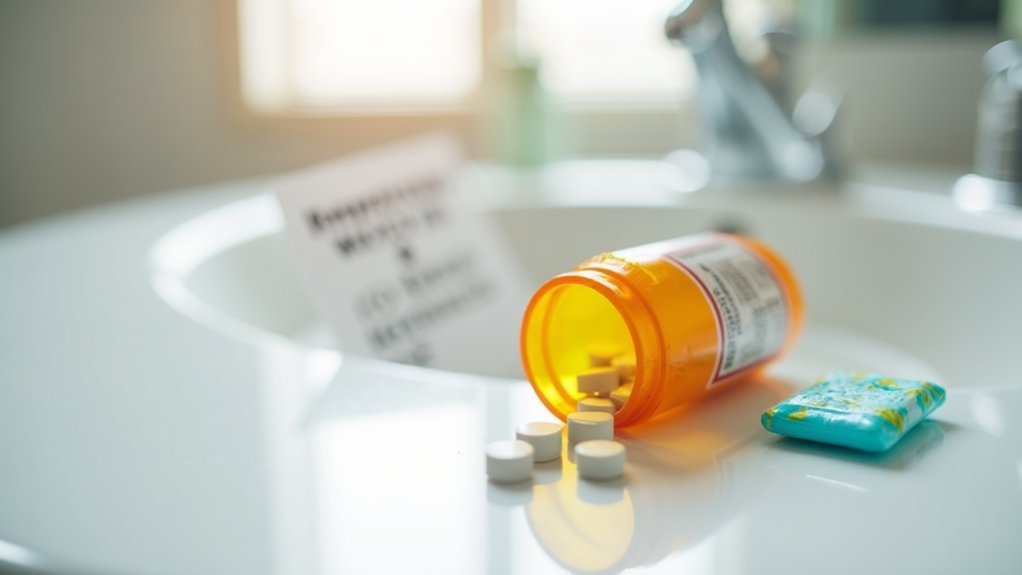

You don’t have to take steroids after wisdom teeth removal, but they can be recommended to reduce swelling and improve jaw mobility. Studies suggest an average improvement of 4.1 mm in jaw opening post-surgery with steroid use. While corticosteroids effectively enhance recovery, they provide minimal pain relief compared to NSAIDs. It’s essential to consult your dentist regarding the appropriateness and dosage of steroids for your case. To understand more about recovery options, continue exploring this topic.
Key Takeaways
- Taking corticosteroids after wisdom teeth removal is not mandatory but can significantly reduce swelling and improve jaw mobility.
- Discuss with your dentist to determine if corticosteroids are appropriate for your specific post-operative care.
- Alternatives like NSAIDs, cold compresses, and hydration can also manage pain and swelling effectively without steroids.
- If prescribed, follow the recommended dosage and timing to maximize benefits and minimize risks.
- Monitor for potential side effects, such as mood changes or increased blood sugar levels, if taking corticosteroids.
Understanding the Role of Steroids in Recovery
When recovering from wisdom teeth removal, understanding the role of corticosteroids can greatly enhance your post-operative experience.
Corticosteroids are often prescribed to reduce swelling and jaw stiffness, contributing to a smoother healing process. Research indicates that they can decrease swelling by an average of 0.6 mm and improve jaw mobility by 4.1 mm.
While their impact on pain management is minimal compared to other options, they play a significant role in post-operative care.
It’s important to discuss the appropriate dosage and timing with your healthcare provider to maximize their effectiveness during your recovery from wisdom tooth extraction.
When Are Steroids Recommended?
After wisdom teeth removal, steroids are often recommended to mitigate post-operative swelling and enhance jaw mobility.
Corticosteroids can markedly reduce swelling and jaw stiffness, with studies showing an average improvement of 4.1 mm in jaw opening early post-surgery. While they show minimal impact on pain levels, their benefits to recovery are evident.
It’s vital to follow your dentist’s recommendations regarding the type and dosage of corticosteroids. Timing during the recovery process may also influence effectiveness.
Always consult with your healthcare provider to guarantee you receive the appropriate treatment tailored to your specific needs after wisdom teeth removal.
Potential Benefits and Risks of Steroid Use
While corticosteroids can offer significant benefits following wisdom teeth removal, it’s vital to weigh these advantages against potential risks.
They effectively reduce post-operative swelling and jaw stiffness, enhancing recovery and improving jaw opening. However, they provide minimal pain relief compared to NSAIDs.
The risks associated with corticosteroid use include increased blood sugar levels, gastrointestinal issues, and mood changes, particularly with higher doses or prolonged use.
Risks of corticosteroid use include elevated blood sugar, gastrointestinal problems, and mood swings, especially with higher doses or extended use.
It’s important to discuss the ideal dosage and timing with your healthcare provider to maximize benefits while minimizing these risks during your recovery process.
Alternatives to Steroids for Managing Swelling
Although corticosteroids are commonly considered for managing post-operative swelling, several effective alternatives exist that can help you recover comfortably after wisdom teeth removal.
Non-steroidal anti-inflammatory drugs (NSAIDs) like ibuprofen can alleviate pain and reduce swelling with minimal side effects.
Applying cold compresses to your face during the first 48 hours constricts blood vessels, minimizing inflammation.
Elevating your head while resting promotes fluid drainage, further decreasing swelling.
Staying well-hydrated and following a soft diet supports overall recovery.
Additionally, herbal remedies such as arnica montana may offer anti-inflammatory benefits, though more research is needed to confirm their effectiveness.
Importance of Following Post-Operative Instructions
Adhering to post-operative instructions is essential for a smooth recovery after wisdom teeth removal.
The importance of following these guidelines can’t be overstated, as they directly impact your healing outcomes.
- Proper use of corticosteroids can greatly reduce swelling and discomfort.
- Adhering to prescribed dosages minimizes the risk of complications.
- Timely administration fosters improved jaw mobility during recovery.